
Obnoxius by Jose Mauro
The meaning of Obnoxius Jose Mauro is not easy to reduce to one neat message. This is a song built from fragments: body words, impact words, place names, and commands. Instead of giving listeners a clear plot, it creates a physical atmosphere of violence, labor, and public suffering.
"Obnoxius" - Jose Mauro
Queda quebra grito
Corpo cruz caída
Loading lyrics...
Unable to load lyrics
We're unable to display the lyrics at this time. Please try again later.
That is why the song can feel unsettling on first listen. It does not explain pain in a direct way. It makes them hear it as rhythm, repetition, and collision.
A Protest Song Hiding Inside a Chant
At the center of the track is a repeated chain of harsh sounds and body imagery. Phrases like corpo
, queda quebra grito
, and trabalhar
suggest a world where the body is struck, broken, and put to work. The words come fast, almost like drum hits.
Interpretation: this makes the song feel less like a personal diary and more like a social cry. It hints at oppression that is routine, public, and hard to escape. The repetition matters because it turns suffering into a pattern, as if violence and labor have been built into daily life.
The command-like return to trabalhar
is especially important. In plain terms, the song seems to connect pain with forced productivity. They are not hearing work as dignity here. They are hearing work as pressure.
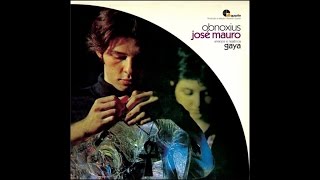
Watch the official Obnoxius
music video
The Public Square Is Part of the Message
The song’s setting sharpens that reading. When it points to praça central
and Pelourinho
, it moves from abstract blows to public space. In Brazilian history, the pelourinho was the whipping post or pillory placed in a town square, a symbol of punishment and power. That historical meaning is widely documented in Portuguese-language reference works and cultural histories, including the entry on Pelourinho.
That detail changes the whole song. This is not only about one person’s distress. It suggests a system where punishment is visible, organized, and tied to authority.
Interpretation: the “central square” may symbolize society itself, the place where power puts pain on display. The line about a single tall building adds another image of structure and domination. Whether that building is read as government, church, wealth, or modern urban control, it looms over the scene.
Bodies, Blows, and Broken Speech
One striking feature of the lyric is how broken it sounds. Rather than full sentences, listeners get compressed units: body, fall, crack, scream. Even a phrase like chispa chicotada
feels like a sonic flash of the whip before the mind fully parses it.
This broken language serves the theme. Trauma often resists smooth storytelling. The song seems to know that. It gives them shards instead of explanation.
Why the Fragment Style Matters
There are three major effects from that style:
- It makes the song physical. Hard consonants hit like percussion.
- It makes the song collective. Fragments can sound like crowd memory, not just one voice.
- It makes the song historical. The words feel ritualized, as if repeating an old social wound.
That is a key part of the meaning of Obnoxius Jose Mauro. The song is not trying to be “pretty.” It is trying to embody pressure.
Despair Enters the Scene
In the middle section, the lyric becomes a bit more direct. It says that the addressee and despair fight alone, while distant cries will roll in and people will shout at them. This part broadens the song from bodily violence to emotional isolation.
Você e o desespero
Lutam sozinhos
Those two brief lines may be the clearest emotional statement in the song. After all the pounding word clusters, they suddenly reveal loneliness. The suffering is not only public and historical. It is also inward.
Interpretation: this is where the song begins to sound like a portrait of a person trapped inside a cruel social order. They are surrounded by noise, but still alone.
How the Sound Likely Carries the Meaning
Even without full production credits in the provided context, the lyric itself strongly suggests a percussive design. Jose Mauro is best known for music that blends Brazilian songcraft with atmospheric, expressive arrangements, especially on the cult 1970 album Obnoxius, documented by Discogs. Ana Maria Bahiana, named here as the writer, is a noted Brazilian journalist and writer with a documented cultural career, summarized in public biographies such as her Wikipedia entry.
That background helps explain the song’s density. The lyric reads like poetry designed for sound. Repeated syllables such as conga caco corpo
are meaningful partly because they strike the ear before they settle into ideas.
Interpretation: if the arrangement leans on drums, bass, or clipped guitar accents, that would deepen the sense of marching force or ritual punishment. If the vocal is restrained, the contrast would make the words colder and more haunting.
Two Strong Ways to Read the Song
There is more than one plausible reading here.
Reading One: A Social-Historical Allegory
This is the strongest interpretation. The references to square, pillory, screams, and labor suggest colonial violence, class oppression, and the public enforcement of power.
Reading Two: A Psychological Breakdown
The same images can also be heard inwardly. The “central square” becomes the mind under pressure; the blows become panic; the repeated labor command becomes the modern demand to keep functioning no matter the damage.
These readings do not cancel each other out. In fact, the song is powerful because social violence and inner despair mirror each other.
Why “Obnoxius” Still Feels Disturbing
The title itself points toward offense, abrasion, and discomfort. The song lives up to that. It refuses smooth language and easy comfort. Instead, it pushes listeners into a rhythm of impact, surveillance, and exhaustion.
That is the clearest answer to the meaning of Obnoxius Jose Mauro: the song transforms oppression into sound. It shows how power can strike the body, shape public space, and leave a person alone with despair.
That reading is an interpretation, not a confirmed statement of authorial intent. Like many poetic songs, Obnoxius stays open, and its ambiguity is part of what gives it force.








