How Josh Thompson Turns Outlaw Pride Into Identity
The meaning of Blame It On Waylon Josh Thompson starts with a joke, but it does not stay one for long. On the surface, the song sounds like a rowdy country anthem about whiskey, tattoos, bars, and rough choices. Under that, it is really about artistic inheritance. They use Waylon Jennings and the outlaw movement as a symbol for the life and mindset the singer has embraced.
"Blame It On Waylon" - Josh Thompson
And the scar on my cheek to an '84 Jeep and an oak tree
Blame the cussin' on my Daddy, good looks on my Mama
Loading lyrics...
Unable to load lyrics
We're unable to display the lyrics at this time. Please try again later.
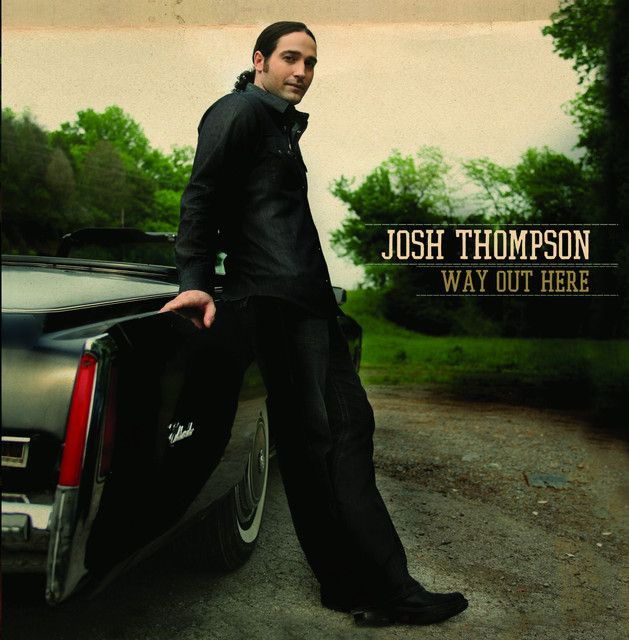
Josh Thompson, a Nashville songwriter and recording artist known for the album Way Out Here, often writes in a plainspoken, blue-collar style. That matters here. He is not trying to sound polished or mysterious. He is building a self-portrait out of scars, habits, and music history.
The Core Idea Beneath the Barroom Energy
At its heart, the song says this: the narrator sees country music, especially outlaw country, as the force that shaped their attitude. They list different causes for different parts of their life, then save the biggest explanation for last. Their restless spirit, rough edges, and musical honesty all get traced back to Waylon Jennings and those who came with him.
That is why the chorus matters so much. When the singer repeats I blame it on Waylon
, they are not really dodging responsibility. They are claiming a lineage. In other words, they are saying: this is the school that taught me how to live and sing.
Interpretation: the phrase “blame it on” is playful, but also proud. It turns influence into identity.

Watch the official Blame It On Waylon
music video
Verse by Verse, the Song Builds a Persona
The opening verse introduces a pattern. Some things come from bad decisions, some from family, and some from simple bad luck. A tattoo, a scar, and cussing are all given a source. Even good looks on my Mama
fits the design. The singer is organizing life into causes.
Then the song shifts from biography to mythology. Family explains a few traits, but music explains the soul. By the time the chorus arrives, Waylon becomes the final answer for the singer’s honky-tonk character.
The second verse deepens that image. Rambling is connected to travel, boots are tied to heartbreak, and luck is split between God and the devil. These are familiar country ideas, but Thompson uses them efficiently. He gathers old symbols of country life and then points them back toward one center: outlaw music.
A Short Map of the Narrative
- The singer names visible marks and habits.
- They assign each one a cause.
- They move from family and fate to music.
- The chorus declares outlaw country as the deepest influence.
That structure gives the song its appeal. It feels loose and easy, but it is carefully built.
Why Waylon Means More Than One Man
Waylon Jennings is not just a celebrity name-drop here. He stands for a whole tradition in country music. In the 1970s, Jennings became one of the faces of the outlaw movement, which pushed back against a more controlled Nashville sound. According to the Country Music Hall of Fame, Jennings helped define a tougher, more independent image in country.
So when Thompson also mentions all them other outlaws
, the song widens its frame. It is not just about fandom. It is about being shaped by a rebellious tradition that values grit over polish and truth over manners.
Interpretation: Waylon functions like a shorthand symbol. He represents freedom, masculine vulnerability, road life, and refusal to fit neatly into industry rules.
How the Chorus Reframes the Whole Song
The chorus is catchy because it takes all the verse details and gives them one big emotional source. The lines about the back beat
and them sad songs
are especially important. They show that the singer is not only influenced by outlaw image, but also by sound and feeling.
This is key to the meaning of Blame It On Waylon Josh Thompson. The song is about more than acting tough. It is also about sadness. The music that shaped the singer gave them swagger, but it also gave them loneliness, heartache, and emotional directness.
don't care attitude and long hair
mean every damn word
Those short phrases summarize the identity being claimed: defiant on the outside, sincere at the center.
The Sound Helps Sell the Message
Production-wise, the song fits modern country with a strong classic streak. It leans on electric guitar, a steady drum pulse, and a bar-ready groove. That kind of arrangement supports the lyric’s mix of toughness and nostalgia.
The rhythm matters because it gives the song motion without making it feel hurried. It sounds like a highway song and a bar song at once. The vocal delivery also matters. Thompson sings with a rough, unvarnished edge that makes the tribute feel lived in rather than borrowed.
In simple terms, the track sounds like what it praises. It does not just mention outlaw country; it tries to carry some of its weight.
A Tribute, a Defense, and a Mission Statement
One strong reading is that the song is a tribute to Waylon Jennings and outlaw country heroes. Another is that it acts as a defense of the singer’s own flaws. The narrator presents hard living almost like evidence in a case, then points to music as the explanation.
There is also a third reading: the song works as a mission statement for Josh Thompson as an artist. By linking himself to Waylon, he places his music inside a respected country tradition. He tells listeners what kind of truth they should expect from him.
That is why the repeated hook never feels empty. Every return to blame it on Waylon
joins biography, tribute, and branding in one line.
Why the Song Still Connects
The song connects because many country fans understand music this way. Records are not just entertainment. They become part of a person’s values, style, and self-story. Thompson captures that feeling with humor and confidence.
In the end, the meaning of Blame It On Waylon Josh Thompson is about being formed by what they hear. The singer turns influence into origin story. Outlaw country becomes the reason they sound this way, live this way, and believe in singing hard truths without apology.
Disclaimer: This interpretation is based on the released lyrics, performance, and available artist context. As with most songs, listeners may reasonably hear additional meanings.








