Why "Forever and Ever, Amen" Still Feels True
The meaning of Forever And Ever, Amen Josh Turner, Randy Travis starts with a simple idea: love sounds strongest when it is spoken in plain language. This song does not chase big poetry or dramatic heartbreak. Instead, it makes a lifelong promise sound calm, human, and believable.
"Forever And Ever, Amen" - Josh Turner, Randy Travis
You've heard that I'm wild and I'm free
You may wonder how I can promise you now
Loading lyrics...
Unable to load lyrics
We're unable to display the lyrics at this time. Please try again later.
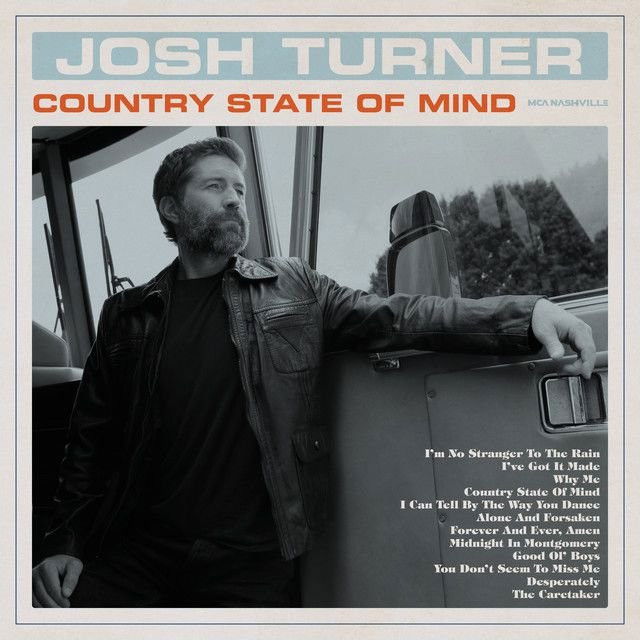
First recorded by Randy Travis and released in 1987 as the lead single from Always & Forever, the song became his third No. 1 country hit and later won major honors, including a Grammy for Best Country & Western Song, according to widely cited chart and awards records. Decades later, Josh Turner recorded it for Country State of Mind with Randy Travis joining him, an especially moving detail because it marked Travis's first recording after his 2013 stroke.
A Love Song Built on Certainty
At its core, the song is about reassurance. The narrator knows he may have looked unreliable before. Early lines admit that others may think he is restless or hard to pin down. But he insists that this relationship changed him.
That is why one of the key phrases is not just time that I'm killin'
. In plain terms, he is saying this is not casual company or a passing romance. He wants the other person to understand that he is fully committed.
Interpretation: The song's emotional hook comes from contrast. It begins with doubt and suspicion, then answers that doubt with confidence. That movement makes the promise feel earned instead of cheap.

Watch the official Forever And Ever, Amen
music video
How the Verses Deepen the Promise
The first verse sets up the question: can someone known as wild and free really offer forever? The answer arrives not through fancy imagery, but through direct speech. He says this love will last for life.
The second verse goes further by dealing with aging. The singer shrugs off fading beauty with the blunt line ain't in love with your hair
. He is not praising youth or surface appeal. He is saying love remains even when time changes the body.
That matters because many love songs celebrate desire in the present moment. This one imagines the future and says love survives it. Even memory loss becomes part of the picture, and the joke about forgetting everyone else except one person gives the song humor without weakening its sincerity.
I'm gonna love you forever
Forever and ever, amen
Those lines are simple, but that simplicity is the point. The promise sounds almost like a vow.
Why the Chorus Works So Well
The chorus is famous because it takes an endless idea and ties it to everyday life. Instead of abstract language, it uses familiar social scenes, including talk about the weather
. That image grounds the song in ordinary American life.
The result is charming and specific. Forever is not pictured as some distant fantasy. It is pictured as something as dependable as old habits, front-porch conversation, and community routines.
Interpretation: The song suggests that lasting love is not dramatic. It is woven into daily life. That makes the promise feel warmer and more realistic than many grand romantic statements.
Randy Travis, Josh Turner, and the Weight of Tradition
Randy Travis helped define the neotraditional country movement of the 1980s, bringing a steadier, more classic sound back to mainstream country. His recording of this song fit that style perfectly: clean arrangement, strong melody, and a voice that sounded settled and trustworthy.
Josh Turner was a natural artist to revisit it. His deep baritone has often drawn comparisons to earlier country traditionalists, and his 2020 version honored that lineage. Randy Travis's appearance on the track gave the cover more than nostalgia. It made the song feel lived-in, as if the promise had aged along with the singers.
For many listeners, that duet changed the song's meaning slightly. It still works as a romance, but it also becomes a tribute to country continuity, gratitude, and endurance.
How the Sound Supports the Meaning
Production matters here. The arrangement stays relaxed, mid-tempo, and uncluttered. Fiddle, steel guitar, and soft rhythm section create a gentle sway instead of a dramatic push.
That musical restraint supports the lyric. A louder, flashier production would make the promise feel overstated. Here, the calm backing lets the voice carry authority. Randy Travis sang it with an easy confidence, while Josh Turner approached it with respectful warmth.
Interpretation: The song sounds faithful before it even says it. Its traditional instrumentation signals steadiness, and the unhurried pace mirrors the idea of a love built to last.
The Small Touches That Make It Last
A big reason the song endures is humor. The lyric about aging hair and the homespun social images keep it from becoming stiff. There is devotion here, but also personality.
Another reason is its origin. Songwriters Don Schlitz and Paul Overstreet wrote it after Schlitz recalled his son saying forever and ever, amen
after prayers. That childlike phrase gives the song innocence and honesty. It sounds less like polished romance and more like a promise spoken from the heart.
That may be the clearest answer to the meaning of Forever And Ever, Amen Josh Turner, Randy Travis: it is about love that wants to be believed, so it speaks simply. It faces time, aging, and doubt, then answers all three with steadiness instead of fear.
Final Thought on Its Meaning
Whether heard in Randy Travis's original or Josh Turner's later duet, the song remains a country standard because it makes forever sound humble. It does not promise perfection. It promises presence.
That is why it still lands. It says real love is not just passion today. It is choosing the same person again and again, forever and ever, amen
.
Disclaimer: This interpretation mixes documented context with informed reading of the lyrics and performance. Different listeners may hear different meanings in the song.








