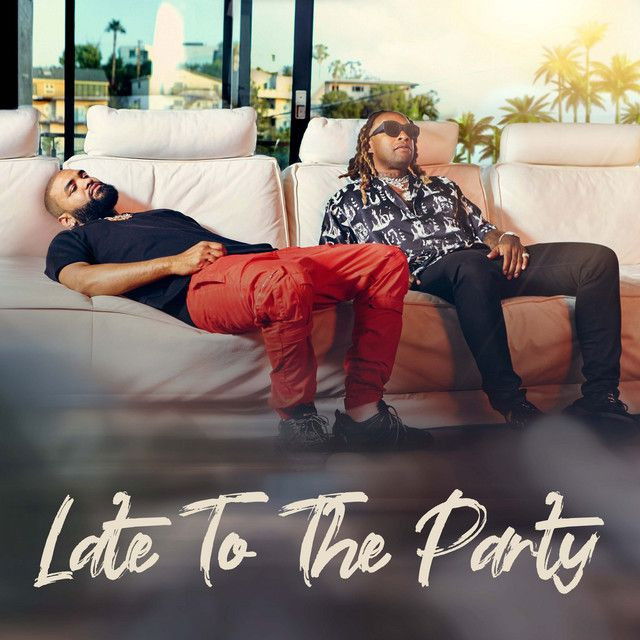
Why "Late to the Party" Feels So Empty
The meaning of Late to the Party Joyner Lucas, Ty Dolla $ign comes from a strong contrast. On the surface, the song sounds like a late-night flex track about money, women, cars, and status. Under that surface, it feels much sadder. The verses chase power, but the hook keeps returning to pain, sleeplessness, and the need to stay numb.
"Late to the Party" - Joyner Lucas, Ty Dolla $ign
(Joyner, Joyner)
(Yeah, Joyner, yeah, Joyner, yeah)
Loading lyrics...
Unable to load lyrics
We're unable to display the lyrics at this time. Please try again later.
Joyner Lucas released the song with Ty Dolla $ign on October 8, 2021, during a stretch when he was staying visible through major collaborations after ADHD and Evolution Joyner Lucas - Wikipedia. That context matters. Joyner had already built a public image around technical skill and intense storytelling, while Ty Dolla $ign often brings melodic vulnerability. This track uses both sides.
The Real Tension Behind the Flex
At its core, the song is about success that cannot quiet a troubled mind. Joyner fills the verses with threats, pride, and expensive symbols. He talks as if wealth has proved his worth. But the hook changes the emotional frame.
When Ty sings about drinking pain away and not wanting to miss the night, the idea is clear: partying is not freedom here. It is escape. The repeated fear of being late to the party
sounds less like excitement and more like anxiety. They are chasing a scene because being alone with their thoughts feels worse.
Interpretation: the "party" is not just a real event. It can also stand for distraction itself—clubs, substances, attention, and motion. If they keep moving, they do not have to stop and deal with what hurts.
Watch the official Late to the Party
music video
Joyner’s Verses: Power as Protection
Joyner opens with the aftermath of a hard life. He describes doing so much wrong that karma no longer feels real, then moves quickly into images of armor, weapons, and retaliation. Even without taking every line literally, the message is obvious: they see the world as hostile, and toughness has become survival.
A phrase like sleep with armor
says a lot in very little space. It suggests fear that never shuts off. Even rest does not feel safe. That helps explain why the verse keeps pushing toward dominance. Cars, jewelry, shooters, and sexual bragging all act like shields.
There is also a class angle in the song. Joyner remembers coming from a place where rent pressure shaped every move. Later, he brags about owning what he once lacked. That jump from scraping by to spending freely gives the verse some emotional logic. The flex is not random; it is tied to old insecurity.
The Hook Turns the Song Inside Out
Ty Dolla $ign’s chorus is the key to the whole track. Without it, the song might play as a standard rap celebration. With it, the mood shifts toward burnout.
The hook centers on alcohol, mirrors, and staying awake until morning. A short line like starin' at my face
suggests self-recognition, maybe even disgust. The image is small but powerful: after all the money talk and swagger, they are left alone with themselves.
I been drinkin' all my pain
I don't wanna go to sleep
That two-line idea sums up the emotional core. They are not partying because life feels good. They are avoiding sleep, silence, and whatever thoughts arrive when the night ends.
Images That Keep Repeating
Several motifs hold the song together:
- Alcohol and drugs: ways to blur emotional pain.
- Luxury items: proof of success, but also armor for insecurity.
- Nighttime: a space where guilt and loneliness get louder.
- Mirrors: moments of truth that interrupt the fantasy.
A phrase like someone chill my mind
is especially revealing. It shows that the real battle is mental, not social. The problem is not getting into the party. The problem is what follows them there.
How the Sound Supports the Meaning
The production helps make the song feel glossy and uneasy at the same time. The beat leans on modern trap textures: hard drums, low-end weight, and enough space for the hook to float. That polished sound fits the lyrics about status and nightlife.
But Ty’s melodic delivery softens the surface. His voice adds a hazy, almost hungover feeling. Joyner raps with force and precision, while Ty sounds worn out. That contrast is important. It creates a push-pull between control and collapse.
Interpretation: the record is built like a split portrait. Joyner performs the outside mask—confident, rich, untouchable. Ty performs the inside condition—drained, restless, and unable to settle.
Why the Song Hits Harder Than a Usual Party Track
What makes this song memorable is that it never fully commits to celebration. Even its biggest boasts feel defensive. Joyner is known for storytelling and emotionally direct rap, from early breakout songs to his later mainstream collaborations Joyner Lucas - Wikipedia. Here, that instinct shows up in a subtler way.
The track admits that success can amplify old wounds instead of healing them. They can buy watches, cars, and attention, but they still cannot buy calm. In that sense, the meaning of Late to the Party Joyner Lucas, Ty Dolla $ign is about emotional delay too. They reached the rewards, but not the peace that was supposed to come with them.
Final Take on the Song’s Message
The song is best heard as a conflicted portrait of fame, trauma, and avoidance. It uses the language of flexing, but the deeper story is about trying to outrun pain through nightlife and excess. The party matters because it keeps the silence away.
That is what gives the track its edge: beneath the swagger, they sound tired.
Disclaimer: This interpretation is based on the lyrics, performance, and publicly available artist context. As with most songs, meaning can vary from listener to listener.








