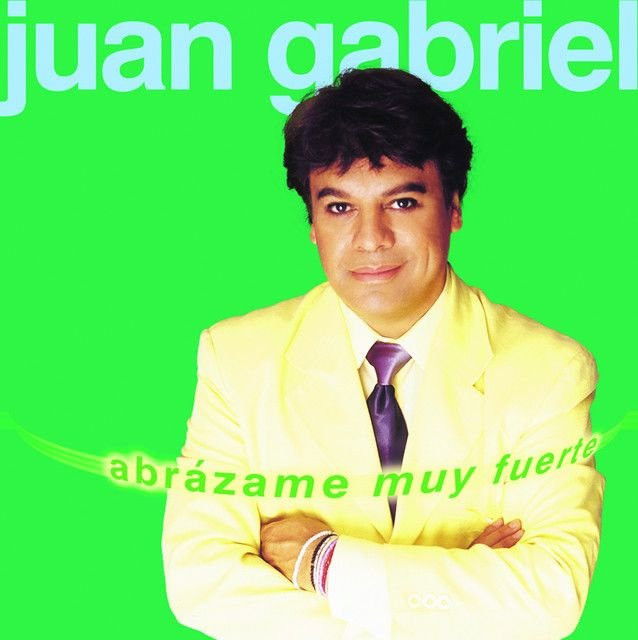
How 'Abrázame Muy Fuerte' Turns Time Into a Villain
Juan Gabriel’s 2000 ballad is more than a love song. It’s a battle with the clock—an urgent cry to squeeze life’s meaning out of the moments we still have. This guide unpacks the meaning of Abrázame Muy Fuerte Juan Gabriel, tying the lyrics to the arrangement, the artist’s context, and the song’s legacy.
"Abrázame Muy Fuerte" - Juan Gabriel
Es cuando yo digo
Que valió la pena
Loading lyrics...
Unable to load lyrics
We're unable to display the lyrics at this time. Please try again later.
The Meaning, Distilled: Love vs. the Clock
At heart, the narrator treats love as a refuge from time’s harm. They’ve suffered, but the beloved makes that suffering feel worthwhile. The plea to embrace isn’t casual; it’s survival.
Juan Gabriel frames time as a relentless force that “never forgives.” The chorus turns a simple hug into a life strategy—hold me now, because the future will not be kind.
Abrázame que el tiempo pasa y él nunca perdona
Abrázame que el tiempo es malo y muy cruel amigo

Watch the official Abrázame Muy Fuerte
music video
Who’s Talking, and to Whom?
The voice is first-person, addressing a cherished “you.” A small, personal line like cuando tú estás conmigo
shows the balance shifting: presence eases pain, absence magnifies it. The narrator isn’t boasting about love; they’re clinging to it.
Gratitude runs through every verse. They wake “crying with happiness,” and they want to repay what they’ve received. The tenderness frames the embrace as healing and reciprocal, not just needy.
What Actually Happens: A Quick Timeline
- They recognize that with this person, the past pain “was worth it.”
- Time becomes the villain; love becomes shelter. The request grows:
siempre abrázame
. - Gratitude floods in. They thank the beloved for “every moment” of life.
- They promise devotion “daily,” trying to match what they’ve been given.
- A shadow appears: they once trusted someone who betrayed them. The embrace is now also about safety from repeat hurt.
Symbols That Do the Heavy Lifting
- Time as judge: The lyric paints time as merciless—worse than fate, colder than law. A stark line like
Dios perdona pero el tiempo a ninguno
says forgiveness is spiritual, but consequences keep ticking. That tension drives the urgency. - Stars as love-notes: When they say each star is an “I love you,” the sky becomes a message board—endless, reliable, and outside human clocks. The phrase
por cada estrella… “te quiero”
lifts private affection into something cosmic. - Gold and wounds: Time is also called “gold,” suggesting value that slips away if ignored. Elsewhere, time “wounds,” showing both sides of the same coin: precious, but cutting.
How the Sound Carries the Message
The song is a Latin pop ballad produced by Bebu Silvetti, known for lush orchestration. It opens with piano and violins, then swells into a full-string embrace. That slow build mirrors the lyrics: quiet gratitude expands into a public, fervent plea.
As the chorus returns, the arrangement pushes toward a crest. The strings tighten; the vocals lift. It’s crafted for catharsis—the moment when the hug becomes a stand against loss.
Context matters, too. The track served as a telenovela theme in 2000, which amplified its drama and visibility. It went on to top Hot Latin Songs and finish as the best-performing Latin single of 2001 in the U.S., later earning major awards. Juan Gabriel even revisited it in 2015 as a duet with Laura Pausini, proving its durability across eras and voices.
The Backstory That Deepens It
Reports tie the song’s inspiration to Juan Gabriel’s sister entering a years-long coma. That detail reframes the embrace as more than romance. It becomes a plea to hold on to life itself—to presence, breath, and touch when the future is uncertain.
This doesn’t cancel the romantic reading; it widens it. Love here is universal: partner, family, community. Near the end, he even extends the invitation outward, urging everyone to hold each other tightly.
Two Plausible Readings
- Interpretation 1: Romantic vow. The narrator praises a partner who restored their faith. The embrace locks in joy before time erodes it.
- Interpretation 2: Family and survival. The embrace shores up a family against illness, memory, and grief. The pained aside about past betrayal hints at scars that love must cover.
Why It Endures in the U.S.
Audiences respond to its clear stakes and cinematic build. The hook is easy to feel, even for non-Spanish speakers—the strings tell you what’s at risk. Its later duet and numerous covers kept the song alive for new listeners, while its timeless theme makes it a staple at celebrations and farewells alike.
Takeaway Worth Remembering
If time can’t forgive, humans must. That’s the quiet thesis under the big melody: embrace now, say thank you now, love now—before the clock decides for you.
Note: Song meaning is subjective. This analysis reflects one informed reading based on lyrics, context, and reception.








