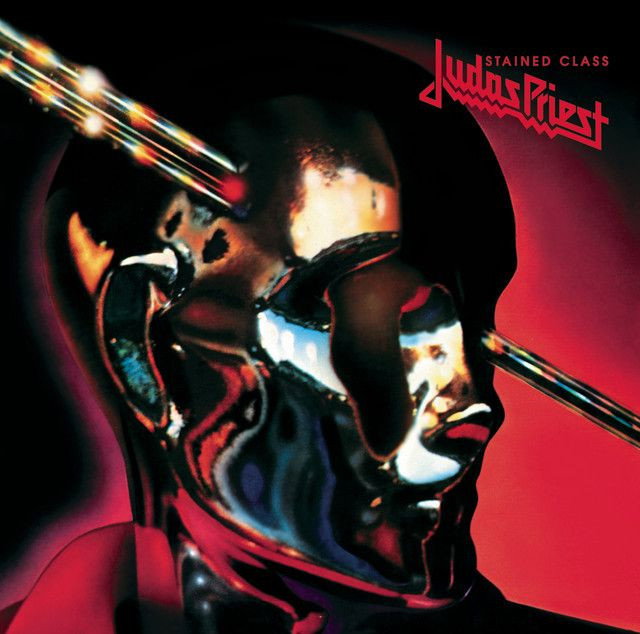
Beyond the Realms of Death by Judas Priest
Judas Priest wrote one of their saddest songs as a warning, not a dare.
"Beyond the Realms of Death" - Judas Priest
Provided by LyricFindHe's had enough
He couldn't take anymore
He found a place in his mindLoading...Loading lyrics...
Unable to load lyrics
We're unable to display the lyrics at this time. Please try again later.
Why This Song Still Hits So Hard
The meaning of Beyond the Realms of Death Judas Priest starts with a painful image: a person so shut down that the people around them can no longer reach them. On the surface, the song tells a short story about someone who withdraws from the world, drifts deeper into their own mind, and eventually dies. But the emotional center is not shock. It is sorrow.
The track appeared on Stained Class in 1978, a key Judas Priest album often cited as part of heavy metal’s formative era. According to widely cited album data, the song was written by Rob Halford and Les Binks, recorded in late 1977, and produced by Dennis Mackay with the band. It is also often described as a power ballad, which fits its soft-to-heavy design.

Watch the official Beyond the Realms of Death
music video
A Story of Withdrawal, Not Rebellion
The verses describe a person who has mentally stepped away from ordinary life. Early on, the song says they had had enough
, which frames the character as overwhelmed rather than defiant. The people around him try to care for him, but they cannot understand what is happening inside.
That is one of the song’s hardest truths. It treats severe emotional collapse as something visible from the outside, yet still impossible for others to fully enter. When the lyric voice shifts toward the character’s own inner speech, the mood changes from observation to grim self-protection. In phrases like safe here in my mind
and I'll decide not you
, the song captures a desperate attempt to regain control.
Interpretation: those lines can sound empowering at first. But inside the full story, they feel more tragic than triumphant. The character is choosing isolation because the world no longer feels livable to them.
The Chorus Turns Isolation Into a Worldview
The refrain matters because it is more than a cry for privacy. It becomes a full rejection of the outside world. When the song says Keep the world with all its sin
, it suggests the character sees life itself as damaged beyond repair.
That is why the title lands so heavily. Beyond the realms of death
does not just mean dying in a literal sense. Interpretation: it points to a state beyond social contact, beyond language, and beyond the reach of care. Death is both an event in the story and a metaphor for total disconnection.
The final verse widens the focus. The song stops being only about one man and asks how many others are like him. That shift is crucial. Judas Priest turns a private collapse into a social question, asking what happens when suffering goes unseen until it is too late.
The Most Important Line May Be a Question
Near the end, the lyric asks whether understanding is worth such a bitter price. That question changes the whole song. Instead of glamorizing self-destruction, it mourns the cost of pain, awareness, and neglect.
That reading lines up with Halford’s own explanation. In a telephone interview cited by The New York Times and summarized in reference sources, he said the song carried an anti-suicidal message, describing how people with depression may withdraw and refuse to communicate.
I'm safe here in my mind
I'm free to speak
with my own kind
Those lines are central because they reveal the character’s logic from the inside. They are not proof that the song approves of the choice. They show how convincing that inner retreat can feel to someone in deep despair.
How the Music Carries the Meaning
One reason the song remains a fan favorite is its structure. The verses use a more delicate, acoustic-led feel, while the choruses and outro become heavier. That contrast mirrors the lyric perfectly: stillness in the mind, then emotional force crashing in.
Les Binks’ role is especially important here. He received his only Judas Priest songwriting credit on this track, and accounts from the band’s history note that he came up with much of the core guitar material. The song also features separate solos from Glenn Tipton and K. K. Downing, which help the arrangement feel like a long emotional climb rather than a simple verse-chorus loop.
Halford’s vocal performance does the rest. He begins with restraint, then opens into a larger, aching sound. They do not sing the character as a villain or a hero. They sing him as someone lost.
A Personal Layer Fans Often Hear
There is also a second reading that some listeners find meaningful. In later reflections discussed by Songfacts from Halford’s autobiography Confess, he connected part of the song’s inner language to the feeling of being unable to speak openly about his sexuality in the late 1970s.
Interpretation: that does not replace the depression reading. It adds another layer about isolation, secrecy, and the need for a mental refuge when the world feels hostile. In that sense, the song speaks both to psychological suffering and to the pain of living hidden.
Why the Song Endures
The meaning of Beyond the Realms of Death Judas Priest lasts because the band refuses easy answers. The song is compassionate toward the sufferer, critical of the world around him, and haunted by the question of whether anyone could have reached him in time.
It is heavy metal used for empathy, not fantasy. Even at its most dramatic, it sounds like grief.
Disclaimer: This interpretation blends documented background with critical reading of the lyrics and music. As with many songs, listeners may hear additional meanings.








