Dreamer Deceiver by Judas Priest
A Mystical Escape at the Heart of the Song
The meaning of Dreamer Deceiver Judas Priest centers on escape, surrender, and the promise of a higher state of mind. On the surface, the song tells a simple story: a mysterious figure appears, takes the narrator and companions upward, and leads them into a peaceful, almost cosmic space. But the deeper pull comes from how that journey feels. It is not just travel. It is release from pain, stress, and ordinary limits.
"Dreamer Deceiver" - Judas Priest
Saw a figure floating, 'neath the willow trees
Asked us if we were happy, we said we didn't know
Loading lyrics...
Unable to load lyrics
We're unable to display the lyrics at this time. Please try again later.
The opening scene is grounded in nature and calm. The narrator stands by a window, feels a summer wind, and sees a strange being near the trees. That setup matters because it starts in the real world before moving into something dreamlike. When the figure asks if they are happy, the answer is uncertainty. That emotional gap drives the whole song. The dreamer offers what daily life has not.

Watch the official Dreamer Deceiver
music video
The Dreamer as Guide, Savior, or Temptation
A key image is the unnamed guide who leads them away. The lyrics describe this being as someone who can bend perception and bring peace. Short phrases like purple hazy clouds
and peace of mind
suggest a vision that is beautiful, soft, and removed from earthly pressure.
Interpretation: The dreamer can be heard in a few ways:
- a spiritual guide leading souls toward enlightenment
- a symbol of fantasy or art lifting people out of pain
- a dangerous seducer offering comfort at the cost of control
That third reading matters because the title includes both "dreamer" and "deceiver." The song itself feels blissful, but the name hints that this perfect release may not be fully trustworthy. Judas Priest leave that tension open, which is part of why the track lingers.
Following the Story Upward
The song moves in a clear sequence, and each step adds to its theme.
First, they admit their emptiness
When the figure asks if they are content, they do not know. That uncertainty sets up a hunger for meaning.
Then, they surrender control
The line about being taken by the hands shows trust, but also passivity. They do not choose the route so much as accept it.
Next, they enter altered perception
The dreamer can control our sense of time
. In plain terms, normal reality breaks down. Time, worry, and identity start to loosen.
Finally, they reach relief
The song says old tensions disappear and that the mind becomes free. The experience feels healing, even if it may be temporary.
We are lost above
Floating way up high
Those two short lines capture the strange emotional split of the song. They are lost, but they are also lifted. That is the heart of the track: freedom and uncertainty arriving together.
The Big Theme: Freedom From Human Burden
More than anything, this song imagines release from mental and emotional pain. The lyrics describe past hurts fading away, and they present inner freedom as something almost musical or cosmic. The dreamer speaks of a single sound in the universe, a constant vibration that can unlock the mind. That idea gives the song a mystical edge.
Interpretation: This can be read as a metaphor for transcendence. Instead of talking about therapy, religion, or philosophy in direct language, the song turns those needs into fantasy imagery. They are not just trying to feel better. They are trying to rise above the limits of being human.
The phrase single sonic sound
is especially important. It connects music itself to liberation. In that sense, the song may also reflect what heavy music can do for listeners: create a state where fear, pressure, and loneliness briefly disappear.
How the Sound Deepens the Meaning
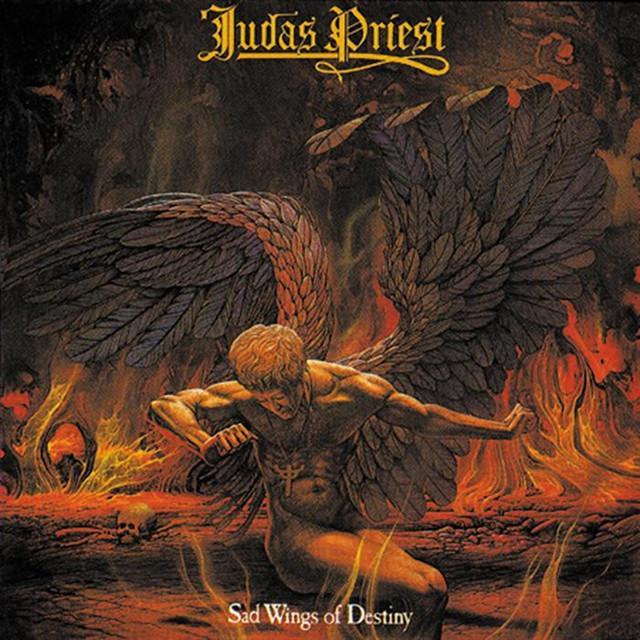
This is one reason the meaning of Dreamer Deceiver Judas Priest is so powerful: the music supports the lyrics at every step. The track appears on Sad Wings of Destiny, Judas Priest's 1976 album often praised for shaping their early identity. The song was written by Alan Atkins, Glenn Tipton, K.K. Downing, and Rob Halford.
Instead of charging forward like a typical metal anthem, it unfolds slowly. The arrangement leans on atmosphere, sustained guitar tones, and a dramatic vocal performance. Halford sings with a near-operatic reach, which makes the dreamer feel larger than life. The band does not just describe ascent; they make it sound like ascent.
The production is also key. The softer pacing and open space in the mix let the song breathe, so the listener feels suspended rather than pushed. That matters because the emotional effect is not aggression. It is elevation.
Why It Matters in Judas Priest's Early Catalog
For casual listeners who know Judas Priest mainly for speed, leather, and steel, this song can be surprising. It shows how wide their early range was. On AllMusic, the band's early work is often framed as a bridge between heavy rock and the metal style they later helped define.
"Dreamer Deceiver" fits that moment perfectly. It still has metal weight, but it also carries progressive and psychedelic traits. The result is a song that feels less like a battle cry and more like a vision. That makes it stand out in their catalog and helps explain why fans often pair it with its follow-up track, "Deceiver," which changes the mood and sharpens the threat implied by the title.
Final Reading: Bliss With a Shadow Behind It
In the end, the song is about the desire to be lifted out of suffering by something greater than the self. It offers comfort, awe, and a sense of mental freedom. At the same time, the title warns that perfect escape may hide a trap.
That unresolved tension is what gives the song its power. They can hear it as spiritual longing, emotional release, or a caution about giving oneself over too easily to beautiful illusions.
Disclaimer: This interpretation is based on the lyrics, musical context, and available band history. As with most songs, listeners may hear different meanings in it.








