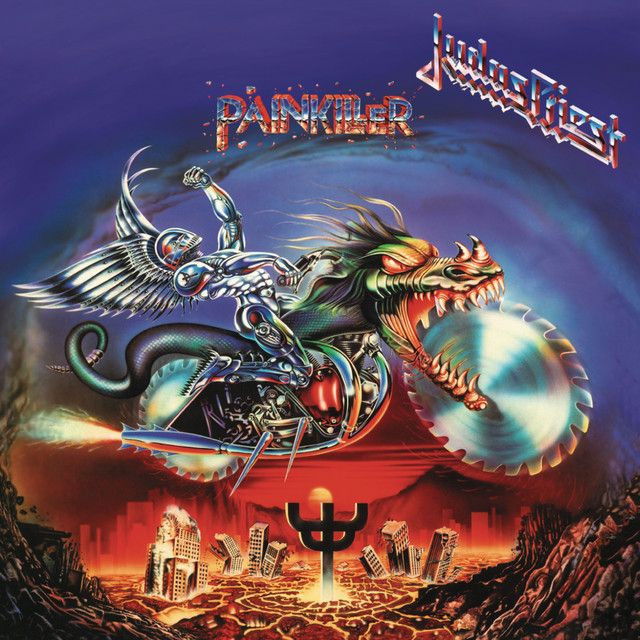
Night Crawler by Judas Priest
A Metal Horror Story With a Bigger Point
The meaning of Night Crawler Judas Priest starts with a simple setup: a town is trapped in fear while a creature hunts in the dark. On the surface, the song plays like a horror film in fast-forward. Storms rage, doors are shut, prayers fail, and the monster gets closer.
"Night Crawler" - Judas Priest
And the rain comes pouring down
Doors are locked and bolted now
Loading lyrics...
Unable to load lyrics
We're unable to display the lyrics at this time. Please try again later.
But the song works because it is more than a creature feature. Judas Priest turn that setup into a study of panic, helplessness, and the feeling that evil cannot be reasoned with. The threat is not just outside the door. It also lives in the minds of the people waiting for it.
Released on Painkiller in 1990, the track came from a Judas Priest era built on speed, aggression, and drama. The album is widely known as one of their heaviest records, helped by new drummer Scott Travis, whose double-bass attack pushed the band into a sharper, more extreme sound. That context matters, because “Night Crawler” uses that musical violence to make fear feel physical.
Watch the official Night Crawler
music video
What the Lyrics Are Really Showing
The town is already defeated
The verses open with weather and lockdown imagery. Before the monster even fully appears, the people are hiding. Phrases like howling winds
and doors are locked
create a mood where safety is already breaking down.
That is a key part of the song’s meaning. The Night Crawler is terrifying, but so is the community’s total loss of control. They can only wait, whisper, and hope. The line about prayers being a last resort shows that normal systems of protection have failed.
The creature feels mythic, not human
The repeated warning beast in black
gives the monster a larger-than-life shape. Judas Priest do not describe it in neat detail. Instead, they build dread by keeping it almost legendary, like something pulled from folklore, religion, and nightmares at once.
That choice makes the song stronger. A fully explained villain might feel smaller. This one feels ancient and unstoppable.
How the Story Moves
The song’s narrative is easy to follow, which is one reason it hits so hard. It builds scene by scene:
- A stormy night sets the mood.
- People lock themselves inside as the creature enters town.
- They hide and pray, but know they are being hunted.
- The monster reaches the house and then the cellar.
- Death comes quickly, and the horror is complete.
The most vivid section is the descent into the home. The lyrics show scratching, clawing, and the monster moving downstairs. In the song’s only real close-up sequence, the fear becomes intimate.
Huddled in the cellar
Fear caught in their eyes
Those short lines say a lot. The victims are reduced to pure instinct. They are not fighters or heroes. They are witnesses to their own end.
Why the Chorus Matters So Much
The chorus keeps naming the monster: Night crawler
. That repetition does two things at once. First, it makes the creature feel famous, as if everyone already knows its legend. Second, it sounds like a warning chant, almost like a town passing the story from one frightened voice to another.
Interpretation: the chorus is not just identifying the attacker. It is showing how fear spreads. Once a community gives a nightmare a name, the name itself gains power.
The line about it coming back is important too. This is not a one-night event in a realistic sense. It suggests a recurring evil, something cyclical. That gives the song a folk-horror quality: the beast returns, people remember, and terror starts again.
Symbols Hiding Inside the Monster Tale
For many listeners, the song works perfectly well as a straight horror narrative. That is the safest factual reading. Still, Judas Priest often write in a way that invites bigger meanings.
Interpretation: the Night Crawler can stand for any force that people know is coming but cannot stop. That could mean violence, death, war, mass fear, or even inner dread. The song never pins the creature to one clear real-world subject, which is why it stays powerful.
Several motifs support that broader reading:
- Night: ignorance, vulnerability, and loss of control.
- Storms: chaos already in motion.
- Cellar hiding: the human wish to retreat into safety.
- Prayer: spiritual hope under pressure.
- The return: evil as a repeating cycle.
The title itself matters. A crawler does not rush in like a sudden explosion. It creeps. That suggests dread that advances bit by bit, giving victims time to imagine the worst.
How the Sound Carries the Meaning
“Night Crawler” would not mean as much without its sound. Judas Priest build it like a chase scene. The guitars shift between ominous riffing and fast attack, while the drums drive the song forward with relentless force. Halford’s vocal moves from narration to alarm, which helps the track feel theatrical without losing menace.
The production on Painkiller, created by Chris Tsangarides with Judas Priest, is bright, heavy, and very sharp; the band’s album credits reflect that lineup and production era. In “Night Crawler,” that clean but crushing sound is crucial. Every drum hit and guitar accent feels like another step closer to the victims.
The band also use dynamics smartly. They do not just play fast for the sake of speed. They pace the tension so the listener feels the stalk, the approach, and then the attack. That is why the song feels cinematic.
Why Fans Still Respond to It
Part of the song’s lasting appeal is how clearly it delivers its image. Listeners do not need a long explanation to feel it. They hear the storm, the warning, the footsteps, and the end.
At the same time, the meaning of Night Crawler Judas Priest remains flexible. Horror fans hear a monster classic. Metal fans hear one of the band’s best examples of storytelling through power and speed. Other listeners may hear a metaphor for fear itself: unnamed, advancing, and impossible to bargain with.
Final Take
“Night Crawler” is about a supernatural predator, but it is also about the human experience of waiting for disaster. Judas Priest make that fear vivid through simple images, a strong narrative, and explosive performance.
That is why the song lasts. It gives listeners a monster, but also the deeper feeling that monsters thrive when people are cornered, isolated, and out of time.
Disclaimer: This interpretation separates documented facts from informed reading. As with most songs, listeners may hear meanings beyond those discussed here.








