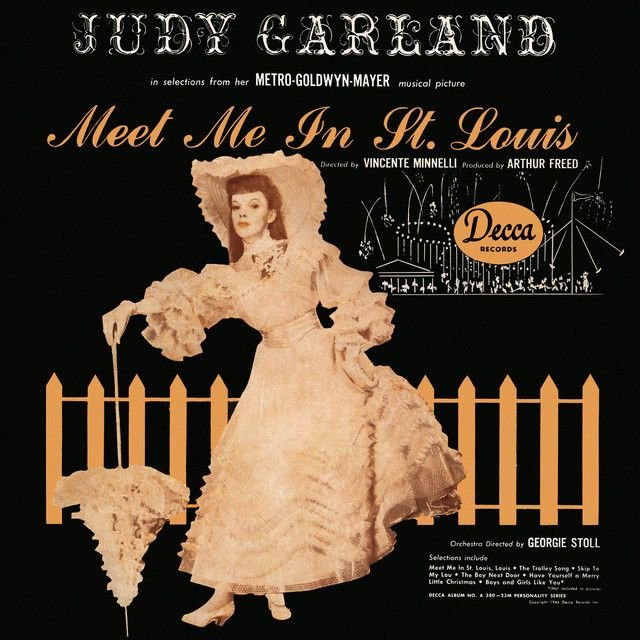
Have Yourself A Merry Little Christmas by Judy Garland
A holiday standard with a lump in its throat, Judy Garland’s rendition in Meet Me in St. Louis captures comfort and uncertainty at once. For anyone searching the meaning of Have Yourself A Merry Little Christmas Judy Garland, the heart of the song is this: hold on to warmth now, and trust that reunion and peace may come later.
"Have Yourself A Merry Little Christmas" - Judy Garland
Let your heart be light
Next year all our troubles will be out of sight
Loading lyrics...
Unable to load lyrics
We're unable to display the lyrics at this time. Please try again later.
A Quiet Holiday Wish in a Tumultuous Story
Garland sings the number in the 1944 film Meet Me in St. Louis, comforting her younger sister the night their family faces a painful move. That scene anchors the song’s tone. It’s not a party anthem; it’s a whispered promise.
Writers Hugh Martin and Ralph Blane reshaped early, gloomier draft lyrics after Garland and the filmmakers asked for something less bleak. The result kept the ache but focused on gentle hope. When the singer says let your heart be light
, they aren’t denying hardship; they’re offering a small candle in a drafty room.

Watch the official Have Yourself A Merry Little Christmas
music video
What the Lyrics Are Really Saying Today
At its core, the song balances present comfort with deferred relief. Lines about how next year all our troubles
may be far away suggest faith in a better season, but not right now. It’s hope on layaway.
Nostalgia softens the edges. The phrase happy golden days of yore
reframes memory as a refuge—those earlier times become a model for future healing. Community matters too: faithful friends who are dear
reminds listeners that relationships are the safety net when everything else shifts.
Fate and realism set the boundaries. The wish comes with an asterisk—if the fates allow
—so the promise isn’t a guarantee. That honesty is why the song lands for people facing distance, illness, deployment, or economic strain. It refuses easy cheer while still lighting a path.
Who’s Speaking, and to Whom, in the Film
The narrator speaks in the second person, urging a loved one to take a small, personal step toward peace: have yourself a gentle holiday, however modest. In the movie, that loved one is a child, which heightens the tenderness. But the wording also widens to include family and friends who are away.
When the voice admits they’ll muddle through somehow
, it models resilience rather than perfection. The singer is not promising miracles; they’re showing how to get through a hard night without losing kindness.
From “Muddle Through” to Newer Versions
After the film’s release, the song kept evolving. Many later recordings replace the bittersweet “muddle through” line with a brighter image and change the fate reference to different wording. These edits shift the emphasis from quiet endurance to festive uplift.
Garland’s film version remains the most emotionally complex. It allows uncertainty to sit beside love, which is why listeners often find it more moving than purely cheerful covers. If someone wants the deepest emotional reading of the lyric, Garland’s take is the touchstone.
How the Music Makes the Mood
The arrangement is intimate: strings and woodwinds cradle Garland’s voice at a moderate, unhurried tempo. The harmony moves with gentle turns that sound like sighs, and the melody sits in a warm mid-range where her vibrato glows.
Form matters too. The classic AABA structure (a Tin Pan Alley 32-bar standard) lets the song state a theme, revisit it, step into reflection, and return home. The “B” section—the moment when distance and fate are acknowledged—drops the brightness just enough to make the final “merry little Christmas” feel earned, not forced.
Alternate Readings Americans Keep Coming Back To
- Interpretation: A lullaby for change. In the film, the singer calms a child who is grieving a move. The message is practical compassion: you can’t fix everything tonight, but you can make the night gentler.
- Interpretation: A wartime or long-distance letter in song. The nod to fate and to future reunion mirrors the experience of families separated by service, travel, or work. The song becomes a promise to reconnect when life allows.
Both readings share the same center: small joys now, renewed closeness later. That’s why the song works at quiet kitchen tables as much as it does in crowded malls.
Takeaway: Comfort Without Denial
The meaning of Have Yourself A Merry Little Christmas Judy Garland rests in honest hope. It invites listeners to find a little light, remember the people who anchor them, and accept that time—not just willpower—heals. That mixture of softness and truth is Garland’s gift.
Disclaimer: Interpretation sections reflect critical analysis and historical context; individual listeners may hear different meanings depending on personal experience.
Sources
- https://en.wikipedia.org/wiki/Have_Yourself_a_Merry_Little_Christmas
- https://en.wikipedia.org/wiki/Meet_Me_in_St._Louis
- https://www.npr.org/2011/03/13/134508455/hugh-martin-songwriter-of-have-yourself-a-merry-little-christmas-dies
- https://americansongwriter.com/behind-the-meaning-of-have-yourself-a-merry-little-christmas/
- https://www.quora.com/Why-is-the-Judy-Garland-rendition-of-Have-Yourself-a-Merry-Little-Christmas-different-in-some-of-its-lyrics-from-other-versions-I-have-heard









