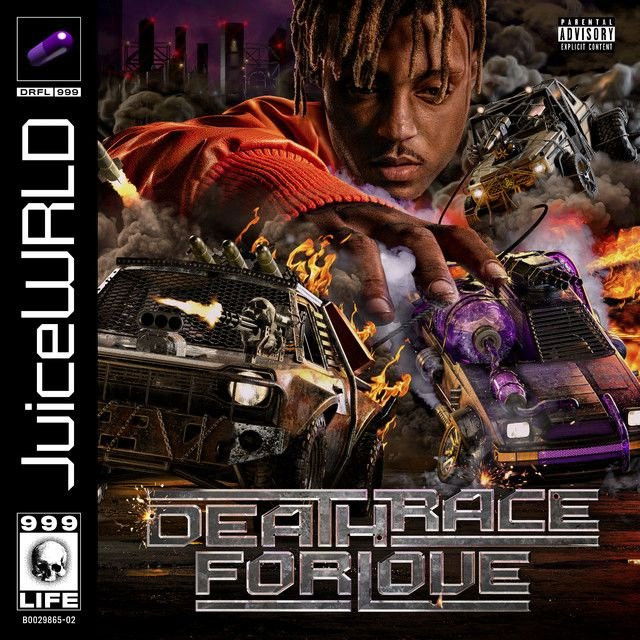
Why "Demonz - Interlude" Feels So Heavy
The meaning of Demonz - Interlude Juice WRLD, Brent Faiyaz comes through fast: this is a song about losing ground in a private war. It sounds small and quiet, but that is exactly why it hits. Instead of turning pain into a dramatic outburst, the track lets it sit in the open.
"Demonz - Interlude" - Juice WRLD ft. Brent Faiyaz
I think the demons are winning
I can't ever do right, I can't lose this fight, I'm already low
Loading lyrics...
Unable to load lyrics
We're unable to display the lyrics at this time. Please try again later.
Released on Juice WRLD’s 2019 album Death Race for Love, the song is unusual because Brent Faiyaz handles the vocal while Juice WRLD does not appear vocally on the track. Songfacts notes that the interlude began as a Brent song before being placed on the album, with production tied to Brent Faiyaz, Paperboy Fabe, and Atu. It also credits Juice WRLD as a writer and places the song within the album’s emotional landscape.[1]
A Quiet Song About an Inner Fight
At its core, the song describes someone who feels trapped between collapse and survival. The opening idea is simple: they feel worn down, stuck, and unable to keep failing. When the singer says already low
, the emotional floor has already dropped out.
From there, the track turns the struggle into a direct conflict. The key image is not a literal monster story. Interpretation: the “demons” sound like depression, self-hatred, temptation, or any force inside the mind that feeds on weakness. The phrase demons are winning
matters because it suggests the speaker is not just sad; they feel overpowered.

Watch the official Demonz - Interlude
music video
Brent Faiyaz’s Voice Changes the Mood
This song lands differently because Brent Faiyaz sings it in a restrained, tired tone. Songfacts describes it as a bruised R&B performance, and that fits. He does not sound explosive or theatrical. He sounds drained.
That choice is important for meaning. A louder performance might have made the song feel like protest. Brent’s softer delivery makes it feel like confession. The singer is not trying to impress anyone. They are admitting they are in trouble.
The Hook: Defeat and Hope at Once
The chorus carries the emotional center of the track. First, it admits defeat. Then it reaches for change. The line about needing new beginnings
keeps the song from becoming fully hopeless.
That tension is what makes the writing effective. On one hand, the speaker feels beaten down. On the other, they still imagine a different life. Even when they seem close to giving up, they are still asking for a reset.
Don’t wish me away, wish me luck
I’ll be good either way
This is the song’s clearest turn. Instead of asking others to disappear them, the speaker asks for support. Interpretation: that moment sounds like a plea to be seen as someone worth saving, even if they are not sure they can save themselves.
A Warning Hidden Inside the Lyrics
The last section shifts from confession to caution. The repeated lines about feeling something inside and not letting it in make the struggle feel contagious, sneaky, and intimate. When the song says it likes you
, the darkness is given a predatory personality.
That is a powerful writing move. It suggests destructive thoughts do not always arrive loudly. They can feel familiar. They can even feel natural. The warning is not only about pain; it is about how pain can start to feel like identity.
How the Interlude Fits Death Race for Love
Placed on Death Race for Love, the song makes thematic sense. The album often circles emotional overload, addiction, broken relationships, and mental strain. Even without Juice WRLD’s voice, this interlude speaks the same language as the rest of the record.
According to Songfacts, producer Paperboy Fabe said Juice WRLD’s A&R Aaron “Dash” Sherrod wanted Brent on the project as an interlude.[1] That backstory helps explain why the track feels both separate and connected. It is separate in voice, but connected in theme.
Production That Stays Out of the Way
The production supports the lyrics by refusing to crowd them. The instrumental is soft, moody, and spacious, which leaves room for the emotional weight to breathe. There is no big beat drop to rescue the listener.
That matters because the song is about vulnerability, not victory. The hazy R&B texture makes the track feel suspended, as if the speaker is caught between sinking and recovering. Interpretation: the music mirrors the numb state described in the lyrics, where everything feels slow but dangerous.
A Few Strong Symbols
Several small ideas carry the whole song:
- Demons: inner torment, destructive habits, or mental spirals
- Fight: daily survival rather than one dramatic event
- Luck: a wish for mercy, support, or another chance
- Beginnings: the hope that identity is not fixed
These symbols are simple, which is part of the song’s strength. It does not bury its message in complicated imagery. It speaks plainly, and that makes the pain feel real.
Final Take on the Song’s Meaning
The meaning of Demonz - Interlude Juice WRLD, Brent Faiyaz is the feeling of being spiritually and emotionally cornered while still wanting help. It is about the shame of struggling, the fear of being consumed by that struggle, and the small but stubborn wish to start again.
That is why the song lingers. It does not promise a cure. It only captures the moment when someone knows they are slipping and tries, quietly, to hold on.
Disclaimer: This interpretation is based on the lyrics, credited context, and the song’s sound. As with any song, listeners may connect with it in different ways.









