Love as Theft: The Meaning Behind ‘Robbery’ by Juice WRLD
Heartbreak is the crime scene in Robbery. Juice WRLD turns a breakup into a high-stakes standoff, where feelings get stolen and the narrator can’t get them back. For listeners searching the meaning of Robbery Juice WRLD, the song maps how love, pride, and fear collide—and why letting go hurts.
"Robbery" - Juice WRLD
This shit funny
I was like, "Oof this Hennessy strong as fuck, boy"
Loading lyrics...
Unable to load lyrics
We're unable to display the lyrics at this time. Please try again later.
What the Heist Metaphor Really Says
The hook’s image—handing over a heart—casts romance as coercion. When he says heart in the bag
and nobody gets hurt
, he frames affection like a hostage situation. Interpretation: Love feels unsafe, so surrender becomes self-protection.
That’s why the title matters. Robbery isn’t about theft of money; it’s about the loss of trust and the ability to love freely. The metaphor makes the pain vivid and cinematic while keeping the emotions close to real life.
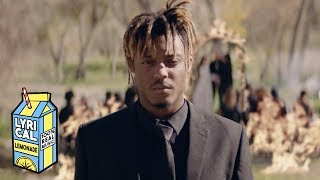
Watch the official Robbery
music video
Who’s Speaking—and What They Want
The song uses a first-person voice to talk to an ex who both thrills and terrifies them. Lines like running from her love
show avoidance, while You always give me butterflies
admits the pull. Interpretation: They want relief from anxiety without losing the rush, a conflict that keeps them stuck.
There’s a tug-of-war between learned toughness and vulnerable honesty. The narrator remembers advice about hiding insecurities, but their heart doesn’t cooperate. Flexing wealth or ice reads as armor—not confidence—to keep feelings from showing.
A Fast Timeline of the Fallout
- He numbs with drink, then remembers a chaotic last meeting.
- Pride tells him to overcompensate—designer fits, cold wrists—while trust frays.
- Paranoia creeps in; he chases answers, calls, and shows up uninvited.
- He can’t stop replaying old wounds, “digging up” what hurts.
- He admits the damage feels permanent with
I cannot reverse it
.
The video pushes this further: walking through an ex’s wedding, sipping to dull the ache, then setting off flames as the scene collapses. It’s heartbreak as catastrophe.
Why the Chorus Hits So Hard
The refrain turns a private breakup into a public crisis. The key phrase gift and a curse
explains the hook’s force. Interpretation: Love gave them euphoria, but it also introduced fear, jealousy, and regret—feelings that linger longer than the romance.
Repetition works like a spiral. Each return to the chorus reopens the wound, echoing how intrusive thoughts circle back even when someone tries to move on.
Symbols and Motifs That Cut Deep
- The “bag” and robbery scene: love under threat, agency stripped.
- Designer flexes and icy wrists: image as bandage, not healing.
- The “grave” from the past: old heartbreaks that infect the present.
- Butterflies and phone calls: craving reassurance that never arrives.
- Window rocks and late-night visits: impulsive, messy attempts to fix what’s broken.
These images show a cycle—self-soothing habits that only postpone the reckoning. Interpretation: He wants control, but habits and fears keep steering.
How Sound and Production Carry the Story
Nick Mira’s piano loop leads with a mournful melody, then trap drums and bass give it weight. The tempo leaves space for Juice WRLD’s melodic lines to stretch and crack, emphasizing confession over swagger. Subtle tuning and layered ad-libs add a woozy feel that mirrors emotional blur.
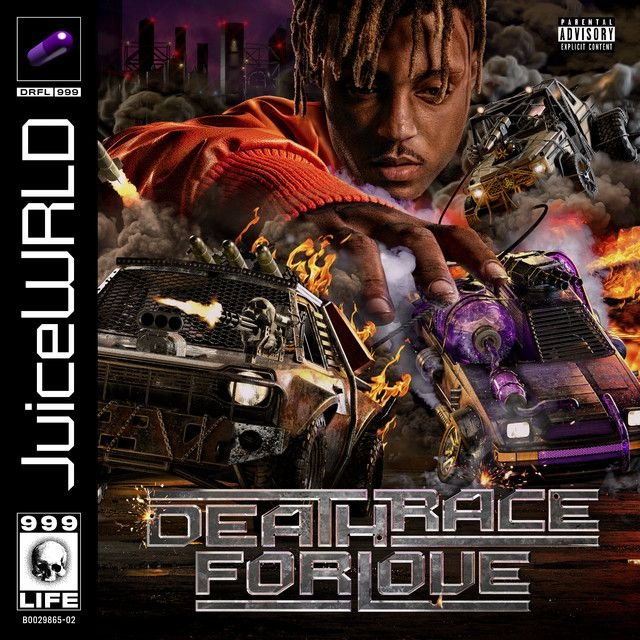
The arrangement resists a big lift; instead, it leans on steady tension. That restraint makes the hook feel even more claustrophobic, like the room keeps closing in. Released as the lead single for Death Race for Love in 2019, the track became one of his most streamed, showing how a simple motif can carry huge emotional load.
Alternate Readings Worth Considering
- Interpretation 1: The ex is the villain. The narrator is forced to “hand over” love, then left wounded. The robbery metaphor centers betrayal and control.
- Interpretation 2: Self-sabotage is the thief. The “robber” could be his own patterns—substance use, jealousy, pride—stealing peace before love can grow.
Both readings fit because the lyrics blur blame. That ambiguity is part of the song’s power.
Takeaway: Why It Still Resonates
Robbery captures the moment when coping turns into collapse. It’s catchy, but it refuses tidy closure, making the pain feel real. For anyone parsing the meaning of Robbery Juice WRLD, the song says this: love can feel like winning and losing at once—and the hardest part is admitting you can’t reverse what’s already done.
Disclaimer: Song meanings are subjective. This reading draws on lyrics, production, and public context and may differ from the artist’s intent.