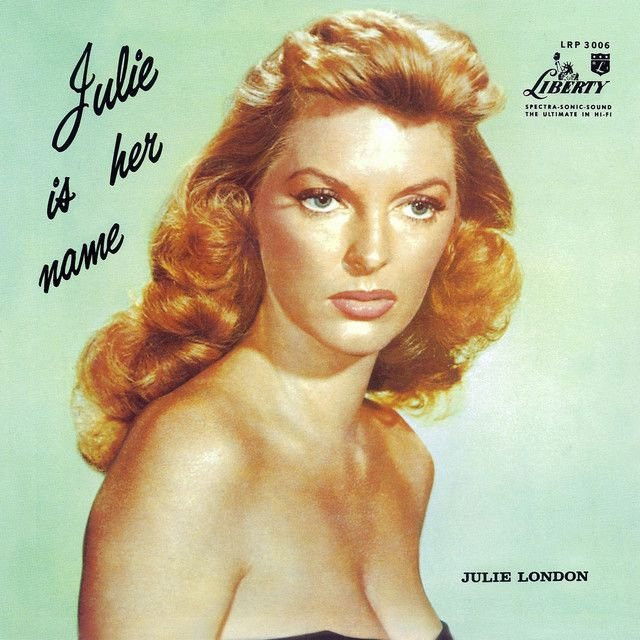
Why Julie London Makes This Love Song Feel Private
The meaning of I'm In The Mood For Love Julie London comes down to one simple idea: love can shrink the world to one moment, one person, and one feeling. The song is not about a dramatic romance or a hard-won reunion. Instead, it captures the soft instant when being close to someone makes worry feel far away.
"I'm In The Mood For Love" - Julie London
Simply because you're near me
Honey but when you're near me
Loading lyrics...
Unable to load lyrics
We're unable to display the lyrics at this time. Please try again later.
Published in 1935, with music by Jimmy McHugh and lyrics by Dorothy Fields, the song first appeared in the film Every Night at Eight and was introduced by Frances Langford, according to Wikipedia. Julie London did not write it, but her version helped give it a more intimate, late-night identity in the public imagination.
The Heart of the Song Lives in the Present
At its core, this is a song about choosing closeness over doubt. The singer does not promise forever in a grand way. They simply admit that another person’s presence changes their emotional weather.
That is why the opening idea matters so much. When the singer says in the mood for love
, the line sounds casual, but it is deeper than that. It means love is not being argued, tested, or explained. It is being felt right now.
The next key phrase, because you're near me
, gives the reason. The mood is not abstract. It is caused by physical and emotional nearness. This makes the song feel direct and human. It says love can begin with atmosphere, eye contact, and calm.

Watch the official I'm In The Mood For Love
music video
A Romance Built on Safety, Not Chase
Many standards are about longing from a distance. This one is different. The lovers are already together, at least for the night. Because of that, the song is less about pursuit and more about surrender.
The image heaven is in your eyes
raises the emotion, but it still stays personal. The song does not describe a whole future, a wedding, or a life story. It keeps looking at one face, under the night sky, and lets that be enough.
Interpretation: this is why the song can feel both sweet and mature. It understands that romance is not always loud. Sometimes it is a choice to stop overthinking and accept happiness while it is present.
The Most Important Turn: Love Versus Uncertainty
The emotional center arrives when the lyric admits fear. The singer briefly wonders whether this dream could end. That matters because it keeps the song from becoming shallow.
Why stop to think of whether
this little dream might fade?
Those lines introduce doubt, but only to set it aside. The song knows happiness may not last forever. Still, it argues that fear should not ruin the moment. That is the song’s quiet wisdom.
The idea continues with put our hearts together
. In plain terms, the singer says that emotional union matters more than predicting the future. Love becomes an act of trust. They are not claiming certainty; they are choosing courage.
Weather, Stars, and Night: The Song’s Main Symbols
The imagery in the lyric is simple, but it is carefully chosen. Stars suggest wonder and romance. Eyes become a mirror of that wonder, making the beloved seem larger than ordinary life.
Then the song introduces a cloud and rain. This is the most important symbol in the lyric. Bad weather stands for trouble, doubt, or the future’s unknowns. Yet the response is gentle rather than panicked. The singer more or less says: if hardship comes, it comes, but not tonight.
That idea gives the song its emotional shape:
- Nearness creates love.
- Beauty creates wonder.
- Doubt appears.
- The lovers choose the present anyway.
So the weather image is not just decorative. It shows the song’s main theme: tenderness can be real even when permanence is unclear.
Why Julie London’s Version Feels So Personal
Julie London was famous for a cool, close-miked vocal style that made songs sound almost whispered. On her well-known recording of this standard, that style changes the meaning slightly. A lyric that could be performed as big-band romance becomes something smaller, warmer, and more confidential.
That matters for the meaning of I'm In The Mood For Love Julie London. Her delivery makes the song feel less like a stage declaration and more like a private confession across a dim room. Instead of selling the melody with power, they let understatement do the work.
The arrangement supports that feeling. Rather than crowding the vocal, the backing leaves space around it. The tempo is relaxed, and the phrasing is unhurried. This musical restraint mirrors the lyric’s message: love does not need drama to feel deep.
For artist context, Julie London became known for intimate pop and jazz recordings, especially through songs like Cry Me a River. That persona fits this standard perfectly. She sounds self-possessed, but not cold; romantic, but never exaggerated.
How the Song Has Lasted So Long
Part of the song’s staying power comes from its flexibility. Since its 1935 publication, it has been recorded by many artists in jazz, pop, and even ska-adjacent reinterpretation. Its title also influenced Wong Kar-wai’s 2000 film In the Mood for Love, a sign of how strongly the phrase still suggests elegance and yearning.
But longevity is not just about fame. The lyric endures because it speaks to a common emotional truth: people often know a moment is fragile, and that can make it more precious, not less.
Interpretation: listeners may hear two shades of meaning at once. On one level, it is a straightforward romantic standard. On another, it is about bravery in the face of impermanence. Love here is not naive. It is aware of clouds and chooses warmth anyway.
What the Song Ultimately Means
In the end, this song says love is sometimes less about certainty than presence. The beloved’s nearness changes fear into calm, and the night becomes a shelter from tomorrow.
That is why Julie London’s take remains memorable. She makes the song sound like a truth shared softly, not a fantasy shouted to the world. The result is tender, adult, and enduring.
Disclaimer: this interpretation is based on the lyrics, Julie London’s performance style, and documented song history; meaning can vary from listener to listener.









