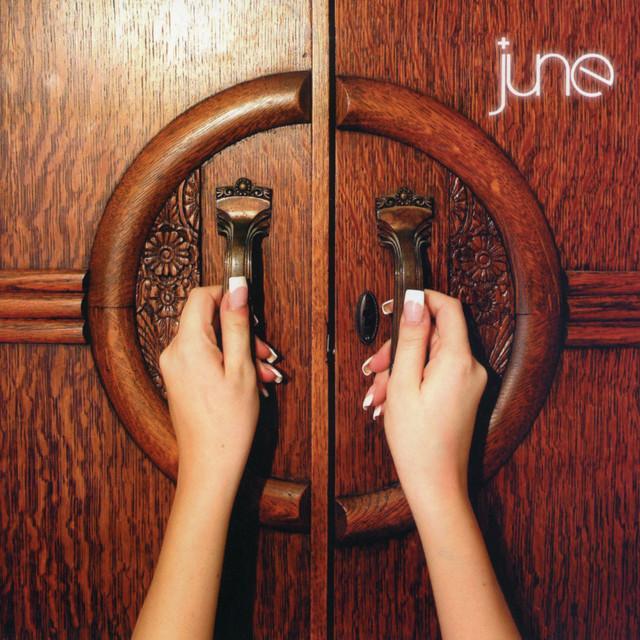
Patrick by June: A Portrait of Slow Emotional Burn
The meaning of Patrick June becomes clearer the more the song repeats its questions. This is not a story about one dramatic ending. It is about the long, exhausting period before an ending, when two people keep hurting each other and neither fully leaves.
"Patrick" - June
With you match to catch and burn me down
(with your type of answers)?
Loading lyrics...
Unable to load lyrics
We're unable to display the lyrics at this time. Please try again later.
June build the song around emotional tension rather than plot. The speaker sounds trapped between wanting reassurance and expecting damage. That push and pull gives the track its identity.
What the Song Seems to Be Saying
At its core, "Patrick" sounds like a song about a relationship where words do almost as much damage as actions. The speaker keeps asking versions of the same thing: Is this really what the other person wants, and if the moment comes, will they stay or go?
That is why lines like Is this what you wanted?
matter so much. They do not just accuse. They also reveal confusion. The speaker is trying to understand whether the pain is intentional, careless, or simply unavoidable.
Interpretation: The song presents love as something mixed with threat. The repeated image of being set on fire suggests emotional destruction, not literal harm. In this context, burn me down
reads like a metaphor for being broken by someone who knows exactly where a person is weakest.

Watch the official Patrick
music video
Who Is Speaking, and Why They Sound Split
The voice in the song feels deeply personal, even though this article discusses it in third person. The speaker sounds like someone talking directly to a partner who is hard to reach. They feel heard only halfway, seen only in fragments, and loved without safety.
A key clue is the complaint that it is impossible to get your attention
. That line points to one of the song's biggest themes: communication that never fully connects. Even when the other person is present, they seem distant.
There is also a pattern of surrender in the line I'll fold, I'll forget
. That suggests the speaker has given in before. They know how this cycle works. They bend, they move on, and then somehow return to the same emotional battlefield.
How the Lyrics Move Like an Argument
Rather than telling a clear beginning-middle-end story, "Patrick" unfolds in loops. That structure matters.
Three emotional beats stand out
- The challenge: The song opens with suspicion and hurt. The speaker questions motive and tone.
- The cycle: They return to the same fear—when the time comes, will the other person leave or destroy what remains?
- The plea: By the later lines, the voice becomes more desperate, almost begging for honesty, even if that honesty ends the relationship.
The repeated question Will you go when it's time?
is central. It suggests that the speaker already expects departure. The tragedy is not only losing someone. It is waiting for the moment they confirm what was feared all along.
Fire, Windows, and Home
The strongest symbol in the song is fire. It stands for emotional ruin, but also for knowledge. A match does not light by accident in this song's world. Someone chooses to strike it.
That makes the phrase about being able to light the match feel especially sharp. The other person seems to hold the power. They may not throw the first blow physically, but they control the emotional temperature.
The image of someone watching from a window adds another layer. A window creates distance. A person can witness pain without stepping into it. In that sense, the song may be criticizing detachment: one person burns while the other observes.
Then there is the repeated idea of home. When the song says Come home
, it does not sound warm. It sounds complicated. Home is supposed to mean safety, but here it feels like a place tied to disappointment, broken promises, and return without repair.
Why the Repetition Matters So Much
Repetition in "Patrick" is not filler. It recreates the mental loop of a person stuck in a bad bond. They ask, doubt, remember, and ask again.
That is why the song feels claustrophobic in a good artistic sense. The listener is not allowed easy release. Each repeated phrase lands with a slightly different emotional color: anger first, then exhaustion, then pleading.
Interpretation: The repetition may show how emotionally dependent relationships work. People often revisit the same argument because the real issue is not solved. The song captures that pattern with unusual bluntness.
How the Sound Likely Carries the Meaning
The available context identifies June's "Patrick" as an alternative song written by Aaron Brown, Mark Palacz, Mark Sutor, and Tim Brennan. That genre tag fits the lyrics well. Alternative music often leans into unstable emotion, dynamic shifts, and unresolved tension rather than neat closure.
Based on the lyric structure alone, the production likely emphasizes build and release: repeated hooks, rising urgency, and a vocal delivery that grows more strained as the song moves forward. If the arrangement follows common alternative-rock patterns, guitars and drums would not simply support the words; they would intensify the feeling of pressure.
The phrase about the fire being nearly out suggests a final stretch where energy dips and flares at once. That kind of image often pairs with a quieter breakdown or a tense bridge before one last surge.
Final Reading of the Meaning of Patrick June
The best way to understand the meaning of Patrick June is as a song about emotional imbalance. One person keeps asking for truth, attention, and release. The other person seems to hold power through distance, tone, and uncertainty.
What makes the song hit is that it never turns that pain into a clean lesson. Instead, it stays inside the mess: loving someone, fearing them, waiting on them, and still asking them to choose.
That unresolved feeling is the point.
Disclaimer: This interpretation is based on the lyrics and limited available song credits. Like many emotionally open songs, "Patrick" can support more than one valid reading.








