
Curly Locks by Junior Byles
Why This Love Song Feels Bigger Than Romance
The meaning of Curly Locks Junior Byles starts with a simple setup: a man loves a woman, but her father does not want them together. Yet the song never feels small. It turns that personal problem into a wider story about identity, class, and prejudice.
"Curly Locks" - Junior Byles
Your daddy say you shouldn't play with me, but it's alright
Curly locks, now that I'm a dreadlocks
Loading lyrics...
Unable to load lyrics
We're unable to display the lyrics at this time. Please try again later.
Junior Byles recorded "Curly Locks" in the 1970s, and the song is closely associated with Lee "Scratch" Perry, one of reggae's most influential writers and producers. Perry's work at the Black Ark helped shape roots reggae's emotional and spiritual depth, a legacy widely recognized by sources such as the Rock & Roll Hall of Fame and Encyclopaedia Britannica. That context matters because this song sounds sweet and gentle, but it carries a serious social edge.
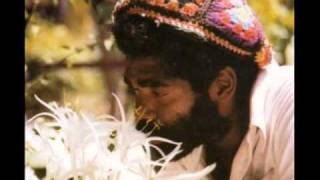
Watch the official Curly Locks
music video
The Core Meaning in Plain English
At heart, the song is about a speaker who is judged for being a Rastafarian man with dreadlocks. He addresses a woman called Curly Locks and keeps returning to the fact that your daddy say
they should not be together. The conflict is not only romantic. It suggests that the father's disapproval comes from fear of what the speaker represents.
Interpretation: The song can be heard as a protest against the way dreadlocked men were treated in Jamaica. In that reading, Curly Locks is not just one woman. They can also stand for people caught between social rules and personal truth.
The repeated contrast between curly locks
and I'm a dreadlocks
sharpens that divide. One image sounds soft, neat, and accepted. The other signals religious identity, nonconformity, and outsider status.
Who Is Speaking, and What Do They Want?
The narrator speaks directly to Curly Locks with warmth, not anger. Even while facing rejection, they sound calm and hopeful. When the song mentions sunshine, breeze, and love, it frames the speaker as emotionally open rather than threatening.
That matters because the song pushes back against a stereotype. The father seems to see danger, but the singer presents himself as loving and alive. He even contrasts his energy with her sadness, suggesting that she is trapped by other people's rules.
A Small Story With Clear Stakes
The song unfolds in a few simple beats:
- The speaker says the father disapproves.
- They insist their feelings are real.
- They hint that Curly Locks is unhappy.
- They present a choice:
two roads before you
.
That fourth step is the turning point. The song stops being only about blocked love and becomes a question about freedom.
The Chorus Turns Rejection Into Identity
The hook is catchy, but it does more than repeat the plot. Each return to I'm a dreadlocks
reminds listeners that the relationship problem is rooted in identity. The speaker cannot solve it by being more polite or more romantic. The issue is who they are.
Interpretation: This is why the chorus feels both tender and defiant. The singer does not deny his difference. He names it openly, then keeps singing with grace.
There is also a quiet resilience in the refrain but it's alright
. That phrase does not mean the pain is small. It suggests endurance. They may be hurt, but they will not be broken by someone else's judgment.
Symbols That Deepen the Song
Several images carry extra weight without making the lyric complicated.
Hair as social code
In reggae and Rastafarian culture, hair can signal belonging, belief, and resistance. The contrast between "curly" and "dread" works as a shorthand for two social worlds.
The crossroads image
When the song says there are two roads before you
, it introduces a classic symbol of choice. Curly Locks must decide whether to follow family pressure or her own heart.
Thank you, thank you for the letter
You made me feel better
This brief moment suggests contact still exists between them. Even under pressure, the relationship is not fully erased.
The word "poacher"
Calling the father a poacher
is unusual and sharp. It paints him as someone who takes, controls, or acts without moral right. Interpretation: That word may imply hypocrisy. The father judges the singer while behaving badly himself.
How the Music Supports the Meaning
Part of the meaning of Curly Locks Junior Byles comes from the contrast between lyric and sound. The track moves with a relaxed reggae pulse, warm melody, and easy vocal phrasing. That softness makes the social tension feel even sadder.
Byles' voice is crucial. They do not sing like someone trying to win an argument. They sing like someone telling the truth as plainly as possible. That approach gives the song dignity.
Perry's production style also matters. Even when a track sounds light, his arrangements often leave space for atmosphere and unease. Here, the groove feels open and airy, which matches the references to sun and breeze, but the repetition keeps bringing listeners back to exclusion and choice.
Why the Song Still Connects
American listeners today may hear "Curly Locks" as a song about any relationship strained by family bias. That is one reason it lasts. Its setting is specific, but its emotional structure is universal.
At the same time, the song should not be stripped of its reggae and Rastafarian context. Its power comes from joining private feeling to public judgment. Love is the surface story; identity is the deeper wound.
Final Take on Its Lasting Message
The best way to understand the meaning of Curly Locks Junior Byles is to hear it as both a love plea and a statement of self-respect. The singer wants connection, but they will not hide who they are to get it.
That balance makes the song memorable. It is gentle without being weak, and political without sounding like a speech.
Disclaimer: This interpretation combines widely known historical context with close reading of the lyrics and sound. As with most songs, listeners may hear different meanings in it.







