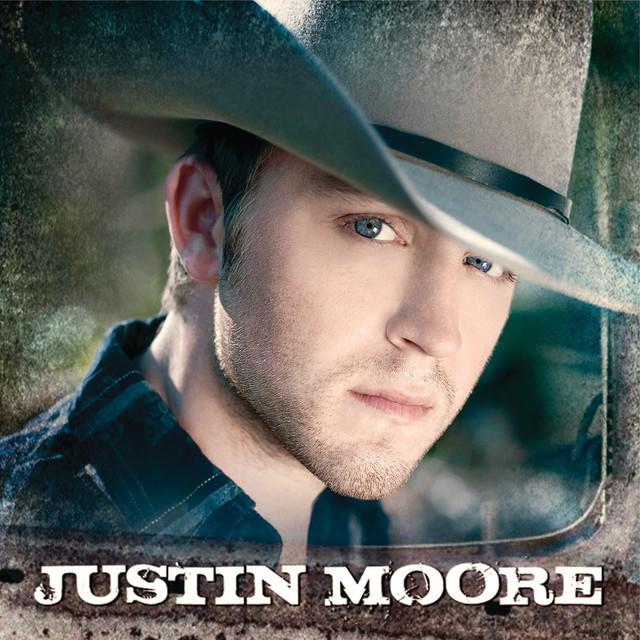
Backwoods by Justin Moore
A Country Hit Built on Identity
The meaning of Backwoods Justin Moore starts with a simple idea: this song is a loud, cheerful defense of a rural way of life. Released in 2009 as the third single from Moore’s debut album, “Backwoods” became a major early hit, reaching No. 6 on Billboard’s Hot Country Songs chart, according to Wikipedia. That success matters because it shows how strongly its message connected with country audiences.
"Backwoods" - Justin Moore
Buck knife on my belt, ain't no land for sale 'round here
Red clay country mud, sippin' on a cold Bud
Loading lyrics...
Unable to load lyrics
We're unable to display the lyrics at this time. Please try again later.
The song does not tell a deep, twist-filled story. Instead, it works like a snapshot album. The narrator lists objects, habits, places, and people that define home. In doing that, the track turns everyday rural details into badges of pride.
Watch the official Backwoods
music video
What the Song Is Really Saying
At its core, the song says that life away from cities is not something to apologize for. The chorus frames the backwoods as a place where people workin' hard for a dollar
, enjoy what they earn, and care for the people close to them. That is the emotional center.
More than anything, the narrator wants listeners to hear confidence. The life described may look rough around the edges, but the song presents it as complete and satisfying. When the chorus lands on real good life
, it sums up the message: happiness is measured by self-reliance, fun, romance, and local culture, not by outside approval.
Interpretation: The song can also be heard as an answer to stereotypes. “Backwoods” takes a word that can sound insulting and flips it into a point of honor.
Verse Details That Build the Theme
The first verse uses quick, concrete images to establish place. Items like a truck rifle rack, a belt knife, cold beer, mud, and a hunting dog are not random props. They tell listeners this speaker belongs to a working, outdoors-centered world. Even the line about there being no land for sale suggests loyalty to place. This is not just where they live; it is where they intend to stay.
The second verse shifts from labor to recreation. It brings in river floating, flirtation, lifted trucks, and getting stuck in the mud. That matters because the song’s worldview is not only about hard work. It is also about knowing how to relax, laugh, and make a memory out of inconvenience.
Work hard, play hard
hold my baby tight
Those two short lines capture the song’s full value system: labor, leisure, and love. They are broad ideas, but the verses give them texture.
The Chorus Turns a Place Into a Philosophy
The chorus repeats down in the holler
and “backwoods” so often that the location starts to feel bigger than geography. It becomes a worldview. This is a common move in country music: a place name stands in for a full set of beliefs.
Here, the backwoods means a life that is physical, local, and direct. People work with their hands. They know the land. They find fun outdoors. They speak plainly. The repeated hook makes that identity sound joyful rather than defensive.
That is one reason the song connected so well on country radio. It is less about explaining rural life than celebrating it in a chant-like way listeners can join.
Sound and Production: Why the Meaning Lands
Musically, “Backwoods” is fast, compact, and built to hit hard in under three minutes. It runs about 2:35 and was produced by Jeremy Stover, who also co-wrote it. Moore told The Boot that the song came together quickly and truly “came to life” in the studio. That origin story fits the finished track: it feels immediate, loose, and confident.
The production helps sell the song’s meaning. The guitars are punchy, the drums keep it moving, and Moore’s vocal delivery leans into a Southern twang without sounding sleepy or reflective. This is not a gentle front-porch ballad. It is a rowdy, radio-ready anthem.
That matters because the song’s message is pride, not nostalgia. The sound is active and present tense. It tells listeners the backwoods is not a fading memory. It is alive right now.
Artist Context and Public Response
“Backwoods” arrived early in Justin Moore’s national career, so it helped shape his image. Moore built much of his brand around small-town Arkansas roots, and this single made that identity easy to recognize. In that sense, the song was not just a hit; it was a statement of persona.
Reception was mixed. Some critics were not impressed, with Country Universe and Engine 145 both giving negative reviews. But commercial response told a different story. The song reached the country Top 10 and was later certified Gold in the United States. That gap between critics and fans is revealing.
Interpretation: For many listeners, “Backwoods” works because it is simple on purpose. Its appeal is not subtle poetry. Its appeal is recognition. Fans hear a world they know, or one they admire, presented without shame.
So What Does “Backwoods” Mean Today?
The meaning of Backwoods Justin Moore is still easy to grasp: it is a country celebration of rural identity, pride in work, and pleasure in uncomplicated living. The song uses trucks, mud, rivers, romance, and local speech to create more than a scene. It creates belonging.
Its strongest idea is that dignity does not depend on wealth, fashion, or urban approval. In “Backwoods,” a good life comes from effort, freedom, and closeness to home.
That is why the song has lasted. It gives listeners an anthem for a place and a mindset at the same time.
Disclaimer: This interpretation combines verified release context with critical reading of the lyrics and sound. Like any song, “Backwoods” may mean different things to different listeners.







