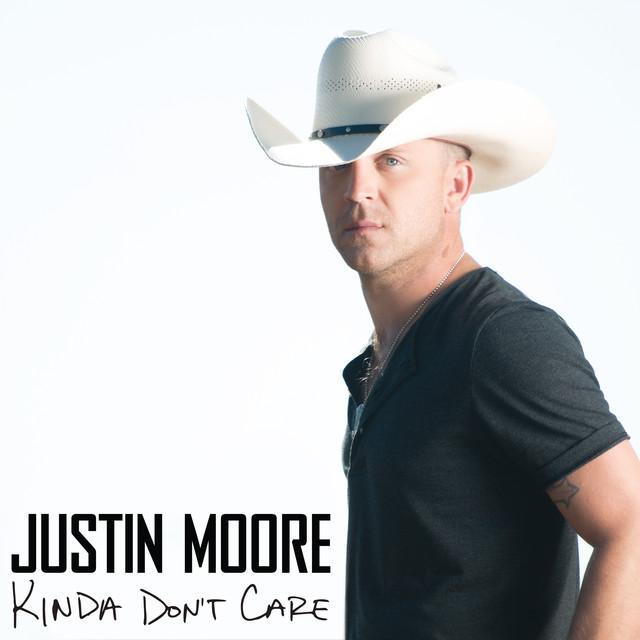
More Middle Fingers by Justin Moore, Brantley Gilbert
The meaning of More Middle Fingers Justin Moore, Brantley Gilbert starts with a simple feeling: everyday frustration. This is not a subtle song, and it does not want to be. It turns annoyance with bosses, traffic, politics, money, and culture fights into a loud, joking act of rebellion.
"More Middle Fingers" - Justin Moore, Brantley Gilbert
And this one's for the boss, the hoss, who wouldn't let you off to go fishin'
And to the bulls and the bears on Wall Street, takin' you and me to the cleaner's
Loading lyrics...
Unable to load lyrics
We're unable to display the lyrics at this time. Please try again later.
At its core, the song is about people who feel pushed around and talked down to. Instead of giving a calm speech, the singers answer with attitude. The title image is exaggerated on purpose. They are not counting actual gestures so much as describing a mood of total fed-up defiance.
A Blue-Collar Complaint Turned Anthem
The verses build a list of targets. They call out government, workplace pressure, Wall Street, and rude drivers. In each case, the complaint is not highly detailed. The point is broader: regular people feel squeezed by powerful systems and by selfish people who move through life without respect.
That is why the song lands as a barroom anthem instead of a protest song in the formal sense. It is less about policy than about release. When the singer mentions the IRS, a boss who would not allow time off, or someone in a luxury car, the message is that small and big frustrations all stack together until a person wants to snap.
Interpretation: the song frames anger as a shared social bond. Fans are invited to hear their own enemies in the list, whether that means elites, hypocrites, or just the person who ruined their day.
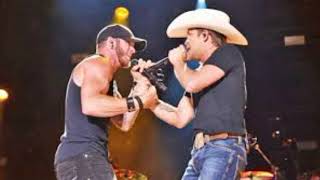
Watch the official More Middle Fingers
music video
How the Hook Sums Up the Message
The chorus turns that irritation into a crowd chant. Phrases like let 'em fly
and all up high
are less about literal action than about refusing to stay polite. The song imagines a mass response where people stop swallowing their resentment.
That is what makes the hook catchy. It is easy to shout, easy to picture, and easy to adapt to many situations. The repeated wish for more middle fingers
pushes the joke to cartoon size. One is not enough, because the world has supplied too many reasons to be mad.
Let 'em fly in the sky
get 'em all up high
Placed in the chorus, that image acts like a rally signal. It tells listeners that anger here is meant to be communal, noisy, and a little funny.
The Culture-War Edge of the Lyrics
The song is not only about daily stress. It also moves into identity politics and values. There is a line about critics of faith, and another that praises patriotic, blue-collar drinkers. There is also a nod to Southern country icons, especially Charlie Daniels and Jack Daniel's, tying cultural pride to heritage and masculinity.
This matters to the meaning of More Middle Fingers Justin Moore, Brantley Gilbert because it shows the song is drawing a line between “their crowd” and everyone outside it. The frustration is economic, but it is also cultural. Respect, religion, military pride, and Southern symbols all become part of the same package.
Interpretation: some listeners will hear this as an authentic defense of overlooked people. Others may hear it as grievance turned into identity branding. Both readings fit the lyric choices.
Why Justin Moore and Brantley Gilbert Fit It So Well
Justin Moore has long built songs around small-town pride and working-class identity, while Brantley Gilbert often leans harder into outlaw attitude and hard-rock energy. Putting them together gives the song both a mainstream country frame and a rougher edge.
That pairing also helps explain the tone. Moore brings a plainspoken style; Gilbert adds extra bite. The result feels made for live crowds, tailgates, and festival sing-alongs more than quiet reflection. Their shared image tells listeners exactly how to receive the track: loud, unapologetic, and proudly unrefined.
For factual context, Moore included the track on his Late Nights and Longnecks album, and the credited writers are Casey Beathard, Monty Criswell, and Shane Minor.
How the Sound Carries the Anger
Production matters here. The song uses a punchy country-rock setup: driving drums, thick guitars, and a chant-ready chorus. Nothing about the arrangement is delicate. The beat keeps things moving forward, while the guitars give the complaints a hard shell.
That sound keeps the song from becoming bitter in a heavy way. Instead, it feels rowdy and performative. The music says this is anger you raise in the air with friends, not anger you sit alone with.
A key detail is the balance between humor and force. Even when the lyrics sound hostile, the arrangement keeps it in party territory. That is why the song can work as a release valve. Listeners are not asked to solve their problems, just to shout back at them for three minutes.
Reception, Intent, and What It Leaves Behind
Songs like this usually divide people for the same reason they attract fans: they are blunt. Supporters hear honesty and release. Critics hear oversimplified outrage. That split is part of the design. Even the line aimed at people who hate the song dares them to object, then answers with swagger and a classic-rock flex.
The broader country context matters too. In the 2010s, many artists mixed blue-collar storytelling with culture-war signaling and arena-sized hooks. This track fits that trend closely, especially beside Moore's official album release materials and public image.
The Bottom Line on Its Meaning
In the end, the song is about turning resentment into performance. It gives a voice to people who feel disrespected by institutions, bosses, elites, and cultural opponents. It is not trying to be balanced. It is trying to be satisfying.
The meaning of More Middle Fingers Justin Moore, Brantley Gilbert is therefore less about any single enemy and more about a posture: if the world keeps pushing, they will answer with noise, sarcasm, and solidarity. For some, that feels empowering. For others, it feels divisive. Either way, that tension is the point.
Disclaimer: This interpretation is based on the lyrics, artist context, and production choices, and other listeners may reasonably hear the song differently.







