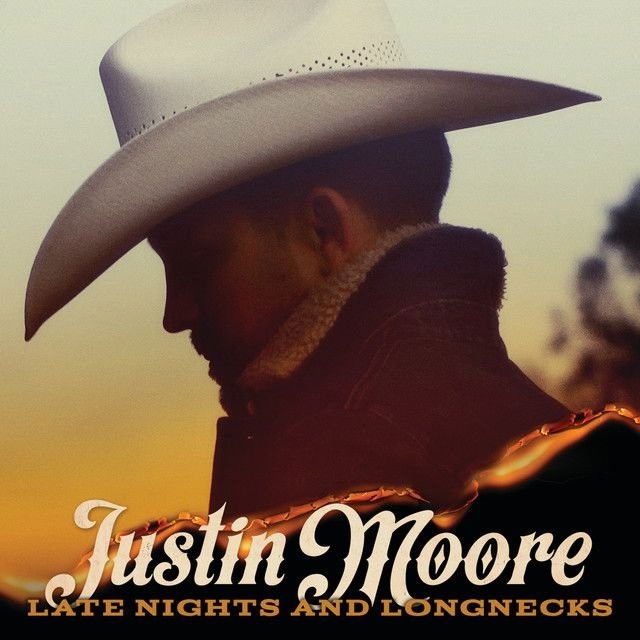
Why We Drink by Justin Moore
Justin Moore turns a simple party song into a portrait of habit, hometown identity, and the way people look for connection at the end of the day.
"Why We Drink" - Justin Moore
Provided by LyricFind'Cause it's Friday
'Cause it's Monday
'Cause it's a charcoal burnin' SundayLoading...Loading lyrics...
Unable to load lyrics
We're unable to display the lyrics at this time. Please try again later.
The Big Idea Behind the Buzz
The meaning of Why We Drink Justin Moore starts with a joke, but it does not end there. On the surface, the song is a list of reasons to have a beer. Some reasons are serious, some are silly, and some are clearly meant to get a laugh. But taken together, they show how drinking works as a ritual in a certain version of American country life.
The chorus keeps stacking everyday excuses until the point becomes obvious: the reasons almost do not matter. Whether it is Friday, Monday, good news, bad news, heat, or stress, the group in the song is always ready to raise a glass. That is why the hook lands. It is less about one event than about a shared lifestyle.
Watch the official Why We Drink
music video
More Than a Party Anthem
A lot of listeners hear this as a carefree weekend track, and that reading makes sense. Lines about being outside, fishing, and hearing a familiar Southern rock song create a relaxed, tailgate-ready world. Phrases like it's Friday
and our team won
point to celebration.
But the song also includes pressure relief. When the narrator says they are workin' all day
and need to unwind, the song frames drinking as a release valve. It becomes a way to switch from labor to leisure, from responsibility to friendship. That shift matters because it gives the song emotional weight beyond the jokes.
How the Verses Build a Whole Culture
Instead of telling one story, the lyrics use a list structure. Each reason adds another piece of the world these characters live in. The effect is cumulative.
Everyday life, every excuse
The song moves through the week, through weather, through sports, and through moods. It says people drink because the sun is up, because it is going down, because it is hot, because life is tiring, and because any moment can be turned into an occasion. This running catalog shows that the act is normal, expected, and social.
That is why a line like cheaper than a danged old shrink
matters. Before and after the joke, the song suggests that drinking is being used as informal therapy. It is not a deep psychological statement, but it does hint at stress, restlessness, and emotional management.
Inheritance and identity
One of the song's clearest themes is tradition. The idea that they love doing things because their fathers did links drinking to family example and cultural inheritance. In plain terms, this is not only about taste. It is about imitation, memory, and belonging.
Interpretation: This is one of the song's more revealing ideas. Drinking here is coded as part of adulthood, but also as a way of staying tied to childhood models. That tension appears when the song says they are grown up but still kids. The line is playful, yet it captures the appeal of beer as both maturity marker and nostalgic comfort.
The Hook Works Because It Never Stops Expanding
The title phrase is simple, but the song uses repetition cleverly. Every verse leads back to the same answer: that's why we drink
. By the time the listener reaches the later choruses, the phrase no longer sounds like a literal explanation. It sounds like a motto.
To good friends, good times, you and me
To the red, white and blue boys and girls overseas
This short toast changes the frame. For a moment, the song stops listing excuses and names values instead: friendship, memory, patriotism, and shared feeling. That is important because it explains why the track connected with many of Moore's fans. It turns drinking into a sign of community rather than just consumption.
What Justin Moore Brings to It
Justin Moore has built much of his career around compact, radio-friendly country songs that celebrate rural pride, plain speech, and home-state values. His official bio presents that identity clearly, and this song fits it well.
The writing team also matters. The credited writers include Casey Beathard, David Lee Murphy, Jeremy Stover, and Moore. Murphy in particular has long been associated with witty, conversational country writing, and that influence shows in the song's easy humor and spoken-feeling setup. The release appeared on Moore's Late Nights and Longnecks, an album built around familiar country themes such as hard work, family, and weekend release.
How the Sound Supports the Meaning
Musically, the song is built to feel easy and communal. The tempo is steady, the beat is relaxed, and the arrangement leans on modern country basics: crisp drums, electric guitar, and a bar-ready groove. Nothing in the production is too fancy, which fits the message. A song about ordinary people making ordinary moments feel special should not sound overly polished or distant.
Moore's vocal delivery helps too. They sing with a direct, slightly rough warmth that keeps the humor grounded. If the vocal were too slick, the song might feel like parody. Instead, it sounds lived-in. That makes the jokes feel affectionate rather than mocking.
A Few Possible Readings
There are at least two useful ways to hear the track:
- Literal reading: It is a fun, unapologetic drinking song for fans of country-life imagery.
- Interpretive reading: It is about how rituals help people handle work, boredom, stress, and the need to belong.
Both readings can be true at once. The song is not hiding a dark secret, but it does show how often social drinking stands in for celebration, therapy, family tradition, and group identity.
Final Take on the Song's Meaning
In the end, the meaning of Why We Drink Justin Moore is not that people need one perfect reason to drink. It is that, in this world, almost any reason will do because the real point is togetherness. The beer is part of the scene, but the deeper subject is fellowship, routine, and the comfort of doing what feels familiar.
That mix of humor and recognition is why the song works. It laughs at the endless excuses, yet it also understands them.
Disclaimer: This interpretation is based on the song's lyrics, performance, and public context. Like most songs, it can support more than one reasonable reading.









