Why “Summer Love” Wants More Than Summer
The meaning of Summer Love Justin Timberlake comes down to a simple tension: it starts like a warm-weather fling, but it quickly argues for something deeper. The song is playful, glossy, and physical on the surface. Under that, it is about trying to turn instant attraction into a real relationship.
"Summer Love" - Justin Timberlake
Saw you switchin' lanes, girl
Pull up to the red light, lookin' right
Loading lyrics...
Unable to load lyrics
We're unable to display the lyrics at this time. Please try again later.
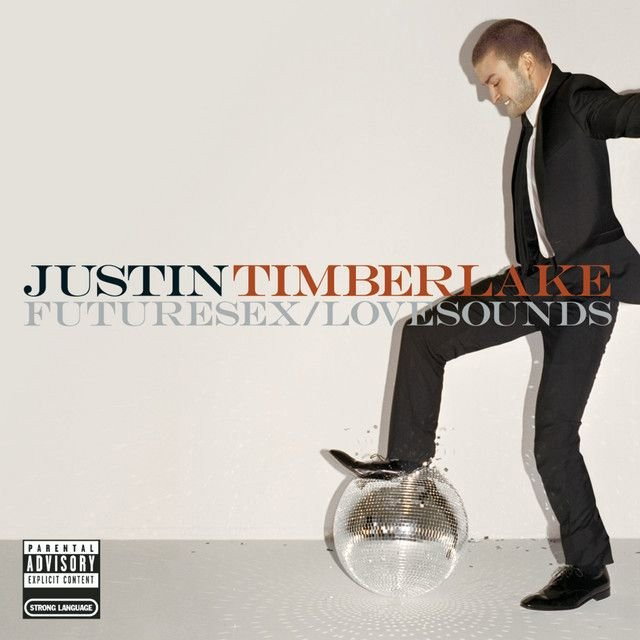
Released on FutureSex/LoveSounds and later as a 2007 single, “Summer Love” sits right in the middle of Justin Timberlake’s sleek pop era. It was written by Justin Timberlake, Timbaland, and Nate “Danja” Hills, and co-produced by the same trio. According to the supplied research data, it appeared on the 2006 album and became a major hit in 2007, reaching No. 6 on the Billboard Hot 100 and No. 1 on US Pop Airplay.
A Flirtation That Tries to Grow Up
At first, the song sounds like a classic summer-crush setup. The narrator spots someone while driving, feels immediate attraction, and starts selling a fantasy of fun, freedom, and chemistry. Short lines like drop-top with the top down
and pull up to the red light
place the listener in a bright, cinematic moment.
But the song does not stay there. The key emotional move comes in the chorus, where the singer insists this just can't be summer love
. That phrase matters because it rejects the usual script. Instead of saying this romance is exciting because it is temporary, the song says its value comes from the possibility that it could last.
Interpretation: This is why the track feels more emotionally invested than its title first suggests. It uses the language of a fling, then pushes toward commitment.

Watch the official Summer Love
music video
How the Verses Build the Fantasy
The verses move in stages:
- First sight and instant interest.
- Fast promises of fun and closeness.
- A shift from physical attraction toward emotional exclusivity.
- A final claim that the connection should survive the season.
In those early sections, the singer asks basic getting-to-know-you questions, but he also rushes ahead. He offers nights out, private talks, and even exaggerated future plans. Phrases like let me show you 'round
and talkin' on the phone
show that he is trying to present himself as both exciting and attentive.
That mix is important. The song wants to sound sensual, but it also wants to sound sincere. It is selling romance in two modes at once: public adventure and private intimacy.
The Chorus Is the Real Thesis
The chorus is catchy, but it also reframes the whole song. By repeating the idea that this cannot be only seasonal, the track turns every verse into an argument. The flirtation is not random. It is presented as the start of something meant to continue.
Summer's over for the both of us
But that doesn't mean
we should give up on us
This brief late-song turn is the clearest statement of purpose. Once summer ends, the song tests whether the feeling was real or just convenient. The answer it gives is hopeful and almost stubborn.
Summer as a Symbol, Not Just a Season
In “Summer Love,” summer works as a symbol for intensity, freedom, and impermanence. Summer romances are often framed as exciting because they are short-lived. Timberlake’s song uses that cultural idea, then resists it.
Interpretation: The season stands for a relationship born in heat and speed. Wanting it to continue means wanting to prove that desire can become devotion.
That is why the song keeps balancing motion and stability. Cars, nights out, and changing pace suggest momentum. At the same time, the repeated wish to fall in love points toward emotional grounding.
Why the Sound Feels So Seductive
Production matters a lot to the meaning of “Summer Love” Justin Timberlake. The research notes describe the track as dance-pop, with keyboards, drums, guitar, piano, and handclaps. Critics also highlighted its “boom-clap” pulse and cascading synth feel in the supplied source material.
That sound design supports the lyric perfectly. The beat feels controlled but teasing, always pushing forward without becoming chaotic. Timbaland and Danja build a groove that feels like late-night movement, while Timberlake’s vocal slides between confidence and pleading.
This matters because the song is not only describing desire; it is performing it. The rhythm gives the romance momentum. The polished production makes the attraction feel stylish, almost inevitable.
Some critics in the research praised that tension, while another felt the production could overpower the singer. Both views make sense. The heavy sonic gloss is part of the point: the relationship is being imagined through a pop fantasy lens.
Where It Fits in Justin Timberlake’s Career
“Summer Love” arrived during the FutureSex/LoveSounds era, when Timberlake leaned hard into futuristic, club-ready pop after returning from a break. The supplied research says he had felt creatively drained before making the album. That context helps explain why songs from this period sound so engineered for momentum and reinvention.
“Summer Love” became one of the album’s standouts and stayed in his live shows for years. That lasting presence suggests the song connected not just because it was catchy, but because it captured a familiar emotional wish: that something exciting and brief might turn into something real.
The Lasting Meaning
So what is the final meaning of “Summer Love” Justin Timberlake? It is a song about trying to rescue romance from the category of “just a fling.” It starts with surface attraction, but it keeps reaching for permanence.
Interpretation: The song’s real hook is not desire alone. It is the hope that desire can survive the calendar.
That is why “Summer Love” still works. It understands how people fall fast, dream big, and try to name a feeling before it disappears.
Disclaimer: This interpretation is based on the song’s lyrics, sound, and documented context. Like all music analysis, some meanings remain open to listener interpretation.







