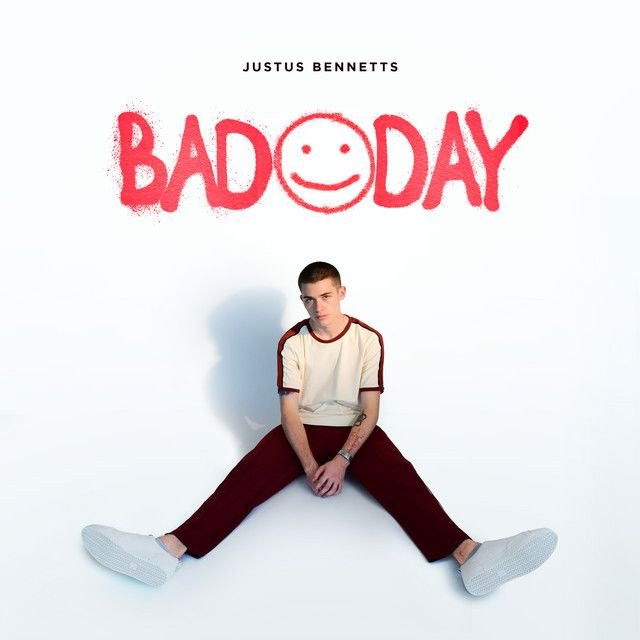
Why 'Bad Day' Turns Anger Into Pop Release
The meaning of Bad Day Justus Bennetts is not subtle, and that is the point. The song takes the ugly feelings that follow disrespect, belittling, and emotional neglect and turns them into a sharp, catchy wish for someone else to have a terrible day. Instead of pretending to be calm or noble, they let the bitterness speak.
"Bad Day" - Justus Bennetts
And your ex shows up at your next first date
And your car gets towed so you show up late
Loading lyrics...
Unable to load lyrics
We're unable to display the lyrics at this time. Please try again later.
That directness is a big reason the song connects. According to Songfacts, “Bad Day” was released as a standalone single in 2021 and was written by Justus Bennetts, Jesse Fink, Remy Gautreau, and Doc Daniel. Songfacts also notes that Bennetts said the target is not one specific person, but anyone a listener feels has wronged them. That makes the song feel personal and universal at the same time.
The Core Message Hiding Inside the Insults
At the center, this is a breakup-and-fallout song, but it is also about self-respect. The narrator is not just angry because someone left. They are angry because they were mocked, dismissed, and made to feel small.
One key verse recalls being told they would amount to nothing. That memory matters because it turns the song from simple pettiness into a reaction against emotional damage. When Bennetts references karma and then says have a bad day
, the line works like a curse, but also like a boundary. They are done asking for understanding.
Interpretation: The song is less about revenge itself than about reclaiming power after being talked down to. Wishing somebody inconvenience is a cartoonish way of saying: you do not get access to my kindness anymore.
Watch the official Bad Day
music video
Who the Song Is Talking To
The target sounds like an ex or former close partner, but the wording leaves room for a broader reading. The verses describe someone who insulted them, ignored their feelings, and brought out their worst side. That could be a romantic partner, but it could also fit a toxic friend or another damaging relationship.
This open framing matches Bennetts’ own explanation, reported by Songfacts, that he wrote the song so listeners could place whoever they wanted in that role. That choice shapes the meaning of Bad Day Justus Bennetts in an important way: the song becomes a vessel for shared anger rather than a diary entry aimed at one named person.
How the Lyrics Build the Story
The writing follows a simple but effective pattern. First, the chorus lists petty disasters: your iPhone breaks
, your car gets towed
, and later lose your keys
. These are not tragic images. They are frustrating, everyday setbacks.
That matters because the song is not calling for serious harm. It imagines small, irritating punishments that match the emotional tone of the track. The hurt is real, but the fantasy stays in the lane of dark humor.
Then the verses explain why the narrator feels this way. They remember insults, neglect, and the sense that whenever they tried to speak honestly, the other person did not care. The song’s most revealing idea may be that this person bring out the worst in me
. That is an admission of guilt and self-awareness inside the anger.
I don't wanna be spiteful
But you someone I got spite for
This is the song’s emotional hinge. It admits that the reaction is not admirable, yet it also insists the feeling is earned. In plain language, they know bitterness is not ideal, but they are tired of pretending they are above it.
The Chorus Works Because It Sounds Fun
If these words sat over a slow, gloomy track, the song could feel heavy or mean. Instead, “Bad Day” uses bright, punchy pop energy. That contrast is crucial.
The production gives the song bounce, which softens the cruelty and turns the hook into release. Bennetts came up through internet-driven pop spaces, and Songfacts notes that earlier songs like “Nightstand” and “Real Life Sux” found traction on TikTok. That background helps explain the writing style here: quick setup, immediate hook, memorable phrasing, and lines built to stick after one listen.
Interpretation: The sound tells listeners not to take the revenge fantasy as literal instruction. It is emotional theater. The beat invites them to sing along, laugh a little, and unload their own resentment safely.
Karma, Comedy, and Controlled Damage
A major theme in the song is karma. The narrator suggests the other person’s behavior will catch up with them, and the chorus imagines that process in comic detail. Broken phones, awkward dates, bad jobs, and being locked out all feel like modern signs of chaos.
These details are smart because they are familiar. Almost everyone in the United States knows how irritating those moments are. So the song makes its wish feel vivid without becoming too dark.
There is also a social layer. One verse says friends and family advised cutting this person off. That line suggests the relationship was unhealthy enough that outsiders noticed. It gives the narrator more credibility and makes the anger seem less impulsive.
What “Bad Day” Says About Justus Bennetts
As an artist, Bennetts often works in a lane where humor, frustration, and vulnerability mix together. Songfacts describes him as a Raleigh, North Carolina-based singer-songwriter who left a car sales job and built music from a home setup. That DIY background fits a song like this: immediate, conversational, and made to connect fast.
The plain language is part of its appeal. There is no heavy symbolism to decode. The meaning comes from tone, delivery, and the gap between how nasty the words are and how fun the song sounds.
Final Take on the Song's Meaning
The meaning of Bad Day Justus Bennetts is a messy but relatable emotional purge. It captures the moment when hurt turns into sarcasm, when patience runs out, and when someone stops trying to be the bigger person.
Interpretation: In the end, the song is not really celebrating cruelty. It is staging a fantasy of petty justice so listeners can process anger and move on. That is why it lands: it says the quiet part out loud, then wraps it in a hook people can shout in the car.
Disclaimer: This interpretation is based on the released lyrics, publicly available song information, and Bennetts’ reported comments. Like most pop songs, it can support more than one reading.







