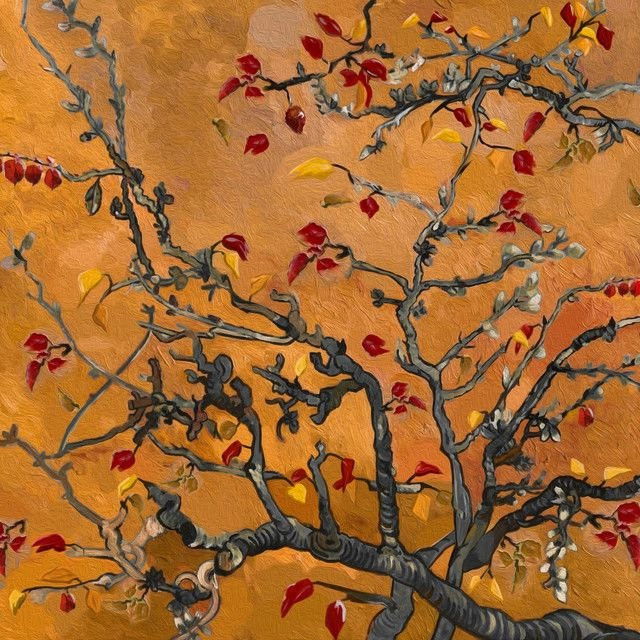
this is what autumn feels like by JVKE
They don’t often hear a pop song capture the chill that creeps in when a summer love starts to fade. JVKE’s “this is what autumn feels like” turns changing weather into a quiet heartbreak, using simple images and a clear melody to show how something bright can dim by degrees. If you’re searching for the meaning of this is what autumn feels like JVKE, it’s about bracing for loss the moment the leaves begin to turn.
"this is what autumn feels like" - JVKE
That's how I feel at the start
Pretty until it gets dark
Loading lyrics...
Unable to load lyrics
We're unable to display the lyrics at this time. Please try again later.
The Heart of It: Seasons As a Clock on Love
At its core, the song says romance can be thrilling and tender, yet still bound to change. The narrator enjoys the warmth but expects the cool-down, reading emotional weather like a forecast. They set up pleasant scenes and then undercut them: love starts as a walk in the park
, only to reveal hidden risks. The turn of seasons becomes a deadline; what felt safe in July may feel distant by October. Interpretation: the track frames heartbreak not as betrayal but as a natural cycle—predictable, even if it hurts.
The Voice Behind the Leaves: Who’s Talking?
The lyrics speak in first person, but the address feels intimate and direct, aimed at a partner who might be slipping away. When they say call me a pessimist
, they’re defending a stance that sounds gloomy but, to them, is practical. They hold someone close while already imagining the goodbye. This tension—loving and pre-grieving at once—gives the song its ache.
From Warmth to Windchill: A Quick Timeline
- Early glow: Love is easy and fun, like a
walk in the park
. - The reveal: Small shocks interrupt the calm—little “bites” and a sense of danger.
- Loss of control: The bike image speeds up to the feeling of being
about to crash
. - Acceptance: When
seasons change
, feelings do too; they expect distance. - Outcome: They brace for the line that hurts most—
you don’t need me at all
—and accept the breakup as part of the cycle.
The Hook That Stings
Because summer will turn into fall Then you’ll leave me, you’re gone
The refrain is simple and brutal. By tying love to the calendar, the chorus claims the ending isn’t a choice so much as a season. Interpretation: the inevitability is the point. If the leaves must drop, then closeness must loosen. That resignation keeps the delivery calm instead of explosive, which makes it feel even more honest.
Symbols & Fall Imagery, Decoded
- Park and dog bite: A pleasant setting hides pain. Love can be sweet until it surprises you.
- Bike and crash: Learning to love feels wobbly. Just when they gain balance, speed turns risky.
- Trees and
autumn breeze
: The natural image mirrors emotional shedding. People, like trees, let go when conditions change. - Irony: They call it “ironic” that a partner leaves like leaves, pun and all. That word choice softens the blow—humor as armor.
Together, these images support a thesis: change is not a glitch in love; it’s baked in. The song doesn’t rage at that truth. It narrates it.
How the Sound Paints the Season
The arrangement leans gentle and reflective, with soft textures and a steady pulse that never quite erupts. That restraint matches the lyric’s acceptance. Light percussion and warm harmonies feel like late-afternoon sun; the vocal sits close and conversational, as if the singer is telling a hard truth on a quiet walk. Interpretation: keeping the dynamics controlled underscores the theme—no storm, just colder air moving in.
The Bigger Picture: JVKE’s Feelings-as-Frames
JVKE often names songs as sensory snapshots—“this is what ___ feels like”—and this track fits that format by bottling a season as an emotion. The writing credit to Jacob Dodge Lawson (JVKE) and Zac Lawson aligns with his collaborative, family-rooted process. By choosing autumn, he taps a near-universal script in the United States: school starts, routines shift, days shorten, and summer romances face reality. That context helps the imagery resonate without needing elaborate storytelling.
Alternate Readings: Fate or Self-Protection?
- Interpretation 1: Fatalism. The singer believes all summer loves die in fall, so they detach in advance. The line
you don’t need me at all
sounds like surrender. - Interpretation 2: Self-fulfilling prophecy. By expecting the fade, they pull back, and the relationship cools because they willed it to. The bike’s
about to crash
image could reflect their own anxiety, not the partner’s actions.
Both readings work because the song avoids blame. It acknowledges pain while normalizing impermanence.
Takeaway You Can Feel
If you want the quick meaning of this is what autumn feels like JVKE: it’s the sound of bracing for goodbye right when the days get shorter. The metaphors are friendly, the message is frank, and the mood is bittersweet. They accept that some loves are seasonal—and that acceptance is its own kind of grace.
Disclaimer: Song interpretations are subjective and may differ by listener; lyrics and rights belong to their respective owners.








