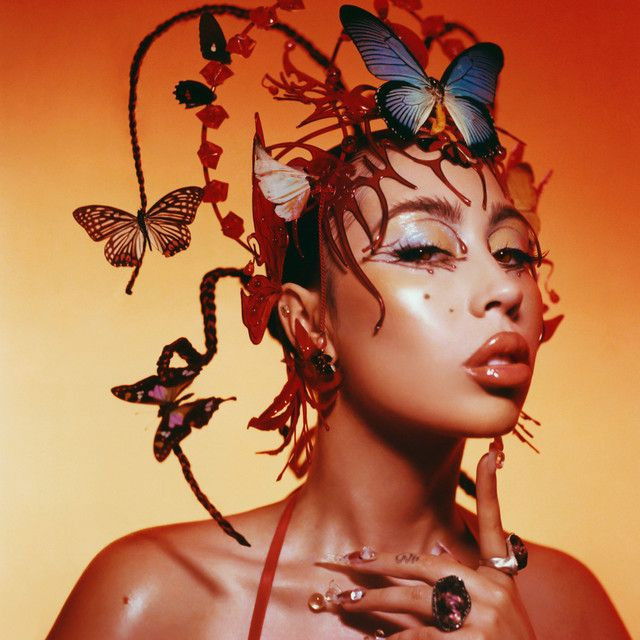
Meaning of 'Worth the Wait' — Uchis & Omar Apollo
A slow-burn duet can be both invitation and checkpoint. Worth the Wait walks that line. It pairs desire with rules of care, making the promise of closeness feel earned, not rushed.
"Worth the Wait" - Kali Uchis, Omar Apollo
This feeling in my body's not the same (same)
Are you still down?
Loading lyrics...
Unable to load lyrics
We're unable to display the lyrics at this time. Please try again later.
Longing Meets Standards, Not Just Heat
The pull is immediate—one voice admits, I want to be around you every day
. Yet the song keeps asking for assurance. The recurring question, Are you still down?
, turns lust into a test of steadiness.
Interpretation: The meaning of Worth the Wait Kali Uchis, Omar Apollo centers on balancing physical attraction with emotional safety. They stage desire as something powerful but conditional. Intimacy is a reward when intentions prove real.
Who’s Talking, and What They Expect
They sing in the first person to a direct “you,” switching and blending parts. This creates a shared perspective: both want closeness, both want proof. When a voice says Most people don’t know how to love
, it sets a high bar. The follow-up idea—Nothing will ever be enough
—warns against partners who chase novelty instead of depth.
They also declare boundaries: I love deep
. That line reframes the erotic mood into a commitment stance. The message: if this is going to happen, it needs heart, not just thrill.
What Actually Happens: A Simple Timeline
- Opening spark: They crave constant presence and touch.
- The hook asks for commitment: “Are you still down?” becomes a refrain, a check-in.
- A caution appears: they won’t risk a hollow bond or cycle into harm.
- The promise lands in the title phrase—
Show you it was worth the wait
—implying patience first, reward after.
Interpretation: The song’s narrative is one night stretched across a deeper choice. It’s not just about the moment; it’s about the pattern that follows.
What the Chorus Really Says
The chorus fuses yes and maybe. Yes to closeness, maybe to timing—if the other person proves they’re steady. Interpretation: By tying desire to the question “still down,” the chorus measures endurance, not impulse.
Symbols You Can See (and Hear)
- Mirrors and gaze: The visual of watching each other implies mutual desire and vulnerability. It also hints at self-awareness—seeing oneself in love’s act and asking if it aligns with one’s values.
- Day and night: Repetition of everyday closeness suggests routine, not just a fleeting high.
- “Worth the wait”: Waiting becomes a motif for maturity. Pleasure is framed as more meaningful when it follows trust.
- Family shadow: The fear of a “broken family” hovers. Interpretation: The song quietly links present choices to long-term life outcomes, not just a fling.
How the Sound Makes the Case
The production leans R&B and neo‑soul: a slow tempo, syrupy keys, soft drum programming, and a warm, rounded bass. These choices create a floating feel that matches the woozy pull of attraction. Layered harmonies let their voices glide and overlap, like a couple moving in sync.
Omar Apollo’s tone brings a plaintive, tender edge; Kali Uchis’s velvety phrasing adds calm control. That blend sells the theme: soft promises, firm boundaries. The mix leaves space between beats, so every line lands like a careful step toward closeness.
Alternate Readings That Also Fit
- Interpretation: It’s about timing in a young relationship. They’re ready, but they want to confirm this won’t vanish after the rush.
- Interpretation: It’s a statement of self‑worth. The speaker names their needs up front, making intimacy something granted, not taken.
Both readings rely on the same evidence: the pairing of overt sensuality with lines that demand more than surface-level affection.
Takeaway Worth Holding Onto
At heart, Worth the Wait says that passion should meet patience. The body leads, but the mind and history have a say. That blend makes the destination feel richer—and safer—when it finally arrives.
Disclaimer: Song meanings are interpretive. This reading draws on the lyrics, vocal delivery, and publicly known credits but is not definitive.









