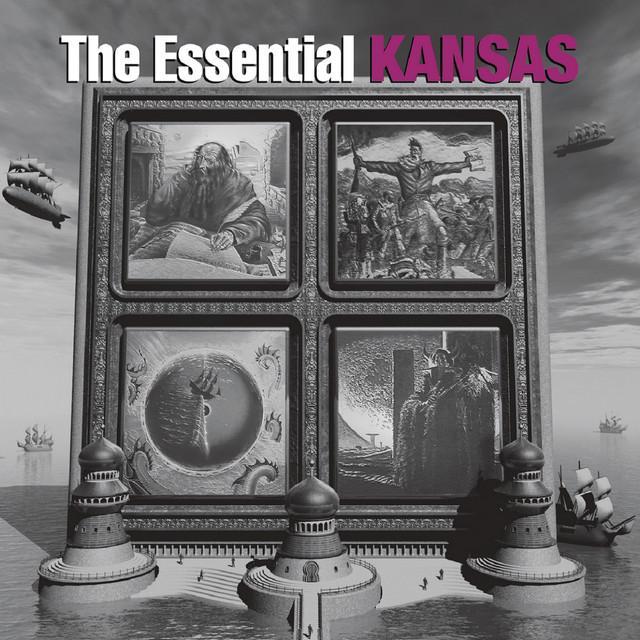
Carry on Wayward Son by Kansas
The meaning of Carry on Wayward Son Kansas starts with struggle, not triumph. Even though the song sounds huge and uplifting, its lyrics come from a place of doubt, spiritual hunger, and self-correction. Kansas turned that inner conflict into one of classic rock's most durable anthems.
"Carry on Wayward Son" - Kansas
There'll be peace when you are done
Lay your weary head to rest
Loading lyrics...
Unable to load lyrics
We're unable to display the lyrics at this time. Please try again later.
Released on Leftoverture in 1976, the song was written by Kerry Livgren and became Kansas's first U.S. Top 40 hit, reaching No. 11 on the Billboard Hot 100, according to Wikipedia. That success matters because the song is not a simple radio tune. It is long, layered, and full of changing sections, which makes its emotional clarity even more impressive.
A pep talk hidden inside a rock epic
Factually, Livgren later explained that the song was autobiographical and part of his search for truth and meaning. He called it a form of self-encouragement. That context is crucial to the song's message.
So when the chorus addresses a wayward son
, the most convincing reading is that the singer is talking to himself. They are not hearing a lecture from a parent or preacher. They are hearing an inner voice that urges them to keep going until peace arrives.
The comfort in the chorus is what makes the song feel so lasting. The phrases carry on
and don't you cry no more
sound gentle, but they come after verses full of confusion and ego. The song does not promise an easy life. It promises rest only after hard experience.

Watch the official Carry on Wayward Son
music video
The verses trace a fall from confidence
The first verse begins with ambition. The narrator rises above noise and illusion, trying to see something bigger. But that climb turns dangerous. When they admit they flew too high
, the line suggests pride, overreach, and the painful gap between knowledge and wisdom.
That theme keeps deepening. The singer says they could see and think, yet still missed the truth. In plain terms, intelligence did not save them from self-deception. This is one reason the song connects so strongly: it recognizes that being smart is not the same as being clear.
A second verse adds even more honesty. The narrator describes a public mask, almost like performing certainty while privately feeling lost. When they say wise man
but then undercut that claim, the song exposes false confidence. It is about the moment people realize their identity has become a role.
A short map of the song's emotional journey
- They reach for higher understanding.
- They become blinded by pride and confusion.
- They admit they have been pretending.
- They hear a voice of comfort and endurance.
- They move toward peace, even if the ending stays partly open.
Why the chorus feels bigger than the verses
The chorus works because it does two jobs at once. On the surface, it comforts. Underneath, it judges gently. Calling someone wayward means they have wandered off course, but the song never leaves them there.
Carry on, my wayward son
There'll be peace when you are done
Those two lines frame the whole song. Before and after them, the lyrics describe mental noise, emotional storms, and spiritual longing. The chorus answers all of that with endurance. Interpretation: the song suggests peace is not found by avoiding struggle, but by surviving it honestly.
Storms, masks, and voices: the key symbols
The imagery is vivid but easy to follow. A few recurring motifs carry most of the meaning:
- Noise and illusion: these suggest a world full of distraction and half-truths.
- Flight: reaching upward represents ambition, but also the risk of arrogance.
- Masquerade and charade: these point to performance, ego, and false certainty.
- Sea and ship imagery: emotional instability becomes a stormy journey without control.
- Voices: these can be read as conscience, wisdom, or inner guidance.
Interpretation: the song's symbols make a private crisis feel epic. Instead of saying, "I felt lost," Kansas turns that feeling into storms, oceans, and soaring heights.
How the music carries the meaning
The arrangement is a big reason the message lands. The opening a cappella harmonies feel almost ceremonial, as if a truth is being announced before the band even crashes in. Then the guitars, organ, and drums build a dramatic push that mirrors the narrator's restless mind.
Kansas recorded the track with producers Jeff Glixman and the band, and its mix balances progressive detail with hard-rock force. Steve Walsh's vocal performance matters especially. He sings the verses with urgency and tension, then opens up into a chorus that sounds reassuring without losing intensity.
Rich Williams later said there was nothing else quite like it and that the band knew it was special when they recorded it. That uniqueness helped it stand out, and its long life on radio and in Supernatural kept the song in public memory.
The strongest reading, and one alternate one
The clearest interpretation is personal and spiritual. Livgren's own comments support that directly. The song is about a person confronting pride, confusion, and emptiness while trying to keep faith that peace exists.
An alternate reading is broader and less spiritual. They could hear the song as a universal anthem for anyone burned out by life, work, or their own mistakes. In that version, the chorus becomes a message of resilience more than revelation.
Why it still resonates
The meaning of Carry on Wayward Son Kansas lasts because the song refuses to flatten human struggle into a slogan. It admits that people can be brilliant, driven, and still lost. Yet it also insists that comfort is possible.
That balance is why the song still feels alive. It is grand but not fake, comforting but not soft, and personal without being narrow.
Disclaimer: This interpretation mixes documented artist context with informed reading of the lyrics and music. Like many classic songs, it can support more than one meaning.








