Why Kansas Made Fame Sound Like a Trap
The meaning of Play the Game Tonight Kansas comes down to a sharp question: what does success cost when the spotlight finally arrives? Kansas frames that question through a song that sounds exciting on the surface, yet uneasy underneath. It invites the listener into a world of applause, performance, and ambition, then keeps asking whether the prize is worth the price.
"Play the Game Tonight" - Kansas
And it's bigger than your life
But it's only what you're hearing
Loading lyrics...
Unable to load lyrics
We're unable to display the lyrics at this time. Please try again later.
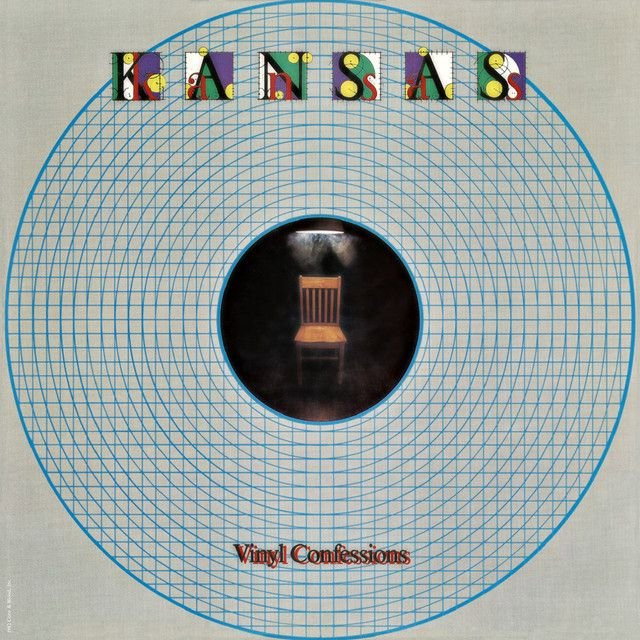
Released in 1982 on Vinyl Confessions, the single marked a key transition for the band. It was the first major Kansas hit with John Elefante on lead vocals, and it reached No. 17 on the Billboard Hot 100 and No. 4 on the U.S. Mainstream Rock chart, making it one of the group’s biggest 1980s songs. The track was written by Phil Ehart, Danny Flower, Rob Frazier, Kerry Livgren, and Rich Williams, and produced by Kansas with Ken Scott.
A Spotlight Song With a Warning Built In
At first glance, the song seems to tell someone to go for it. The chorus urges them to play the game tonight
, which sounds bold and confident. But the real force of the song lies in the questions wrapped around that command.
The lyric keeps stopping to ask if the choice is wrong or right
and whether it is worth the price
. That changes the song’s meaning. Instead of cheering fame, it treats ambition like a gamble. The “game” is not just performance. It is the whole system around success: pressure, image, repetition, and compromise.
Interpretation: They may be singing to an aspiring star, but they could just as easily be addressing anyone tempted by power and recognition. That is why the song still feels broad. It works as a music-business story, but also as a warning about politics, business, or any world where winning can distort a person.
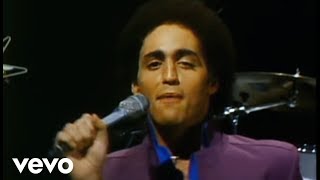
Watch the official Play the Game Tonight
music video
From Dream to Routine
The verses trace a clear emotional path. First comes the feeling that something huge is happening, something larger than ordinary life. The song describes that thrill as intoxicating but unstable, almost like hearing a promise that may disappear by morning.
Then the setting shifts into full performance mode. The line about the curtains open
places the listener onstage, and the crowd becomes part of the pressure. A dream has come true, but it is not the end of the story. The songs keep repeating, and the cycle begins again.
That idea matters. Kansas is not describing one glorious breakthrough. They are showing the machine that follows success. Once a person reaches the stage, they have to keep returning to it. The reward becomes a routine.
Why the Chorus Feels So Tense
The chorus is catchy, but it is built on doubt. Its hook is memorable because it mixes invitation with judgment. The question Do you see yourself
in the light points toward vanity and self-recognition. The spotlight offers identity, but only a public version of it.
That is why the image of the white spotlight
is so important. It is bright, pure-looking, and glamorous. But it also isolates. A spotlight makes one person visible by darkening everything around them. In that sense, the image captures the song’s central conflict: success can make a person seen while also trapping them inside a role.
Can you tell me if it’s wrong or rightIs it worth the time, is it worth the price
Those lines are the heart of the song’s meaning. They turn the chorus into a moral checkpoint. Kansas does not answer the questions directly. They leave the listener sitting inside them.
How the Sound Tells the Same Story
Musically, the track helps explain its own message. It begins with a slow, mysterious piano intro played by John Elefante, then grows in force as the band moves toward the chorus. That rise from quiet uncertainty to a larger, more dramatic refrain mirrors the song’s subject: private desire becoming public spectacle.
The production also matters. Contemporary reviews described the song as a stormy piece of ornate pop-rock, moving from a soft opening to a more forceful, marching chorus. That “marching” feeling gives the hook a sense of momentum, almost like the singer is being pushed forward whether they are ready or not.
Robby Steinhardt’s violin solo adds another layer. Kansas never fully abandons its progressive-rock identity here. Instead, the band uses that violin line to add drama and tension, keeping the song from turning into a simple arena-pop anthem. The result is polished, but not comfortable.
Kansas in a Time of Change
This song also gains meaning from where Kansas stood in 1982. Elefante had just joined the band after Steve Walsh’s departure, and Vinyl Confessions reflected a changing lineup and a changing spiritual outlook around parts of the group. That transitional energy can be heard in the song itself.
It sounds like Kansas adapting to a more radio-ready era without losing their seriousness. Songfacts notes that some listeners hear the song as a story about chasing celebrity and risking moral compromise. That reading fits the lyrics especially well, because the song never treats fame as innocent.
The music video pushes the idea even further by showing a chess match between forces symbolizing life and destruction. That image reinforces the title’s idea of a “game,” but it also raises the stakes. This is not a harmless contest. Moves have consequences.
The Strongest Reading of the Song
The best way to understand the meaning of Play the Game Tonight Kansas is as a song about temptation dressed up as opportunity. It recognizes the thrill of being chosen, heard, and admired. But it keeps asking what a person gives away in return.
Interpretation: They are not condemning ambition itself. They are questioning ambition when it becomes a performance that must be repeated forever. The song’s power comes from that mix of attraction and warning.
In the end, “Play the Game Tonight” sounds big because its message is not small. It knows why the spotlight calls to people. It just refuses to pretend the light is free.
Disclaimer: This interpretation is based on the lyrics, recording context, and documented history of the song. As with most music, listeners may hear different meanings in it.







