Why ‘New Day’ by Karnivool Feels Like Escape
When listeners search for the meaning of New Day Karnivool, they usually hear two things at once: fear and release. The song sounds hunted at first, then slowly opens into something bigger. That push and pull is the key to its power.
"New Day" - Karnivool
How did they know?
This misconception of fate
Loading lyrics...
Unable to load lyrics
We're unable to display the lyrics at this time. Please try again later.
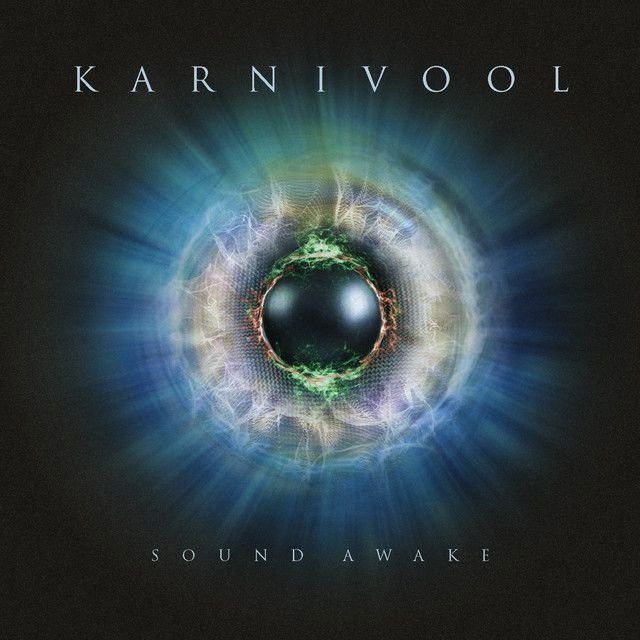
Karnivool, the Perth band formed in 1998, brought “New Day” into the live set before Sound Awake arrived in 2009, during the same creative stretch that produced one of their most praised records (Sound Awake). Written by Andrew Goddard, Ian Kenny, Jon Stockman, Mark Hosking, and Stephen Judd, the track fits the band’s mix of progressive rock tension and emotional weight.
The Song’s Core Tension Starts With Being Watched
At its center, “New Day” feels like a song about trying to break from fear, pressure, or a false story that has trapped the speaker. The opening questions create immediate paranoia. When the narrator asks how others found them and says fate is a misconception, the song suggests they no longer trust the story being told about their life.
That matters because the song is not simply sad. It is restless. Even the phrase new light
does not arrive as easy hope. It comes with isolation, heaviness, and the sense that what seemed true may actually be false.
Interpretation: the “new day” is less a cheerful sunrise than a hard reset. It sounds like someone deciding they cannot keep living under old expectations, old guilt, or other people’s control.

Watch the official New Day
music video
A Voice Caught Between Fear and Rebirth
The speaker seems split between retreat and movement. On one side, there is the wish to disappear. On the other, there is a repeated push forward. That is why the song keeps returning to brief commands and steps, as if the narrator is coaching themselves through panic.
One short passage captures that motion:
One / More / Step
Go slow, take your time
This is not triumph in one sudden burst. It is survival in increments. The song frames change as difficult, even fragile. A new life is possible, but it has to be walked into carefully.
Who are “they” in the lyrics?
The song never fully explains that. That ambiguity is part of its strength. “They” could be real people, inner fears, public judgment, or the weight of past choices.
Interpretation: because the song also asks how everyone can speak falsely and sleep through collapse, “they” may stand for a wider culture of denial. In that reading, the narrator is not only escaping a personal threat. They are rejecting a dishonest world.
The Chorus Turns a Slogan Into a Struggle
The repeated line It’s a new day
sounds simple, but Karnivool make it unstable. Instead of presenting rebirth as clean and inspiring, they place it next to suspicion and unease. That contrast gives the chorus its depth.
A lesser song might use the title as a victory chant. Here, it feels earned only after resistance. By repeating it, the band seems to test whether renewal is real enough to believe.
That is why the title lands emotionally. It is not just about morning. It is about choosing not to stay trapped in the same mental room.
Images of Crowds, Storms, and False Saviors
Several images carry the song’s meaning without fully spelling it out.
- The room: a place of isolation, self-examination, and mental pressure.
- The crowd: a symbol of anonymity, distraction, or the hope of disappearing into something bigger.
- The storm: incoming crisis, whether emotional or social.
- The savior: the fantasy that someone else will fix what the speaker must face themselves.
When the song asks Are we waiting?
and then points to a savior, it sounds tired of passivity. The later admission of being sick of waiting sharpens that idea. The song argues that rescue may never come.
Another key phrase is lying tongue
. It broadens the conflict beyond one relationship. Now the problem is deception itself: public, private, maybe even self-deception.
How Karnivool’s Sound Deepens the Meaning
Part of the meaning of New Day Karnivool comes from how it sounds, not just what it says. Karnivool are often linked to progressive rock, alternative rock, and metal, with critics noting odd meters, layered guitars, and cerebral writing. Those traits matter here because the arrangement mirrors emotional instability.
The verses feel tense and enclosed. Then the song opens into a more expansive chorus and later into a floating, almost communal section built around the crowd image. That shift gives the impression of a mind trying to move from claustrophobia toward release.
Ian Kenny’s vocal approach is especially important. He does not sell the song as pure aggression. Instead, he moves between vulnerability and lift, which makes the song feel human rather than theatrical. The guitars and rhythm section create pressure, but the melody keeps reaching upward.
That balance fits Karnivool’s larger style. The band’s catalog often works in contrasts: heaviness and atmosphere, precision and emotion. Sound Awake, released June 5, 2009, is widely seen as a breakthrough in that approach, and “New Day” sits comfortably inside that world (Karnivool).
Two Strong Ways to Read the Song
There is no single official explanation available in the provided sources, so the best reading is careful and evidence-based.
Reading One: Personal awakening
In this view, the song is about breaking from anxiety, manipulation, or a dead belief system. The narrator begins cornered, then slowly claims agency. The repeated title marks the painful start of self-renewal.
Reading Two: Social disillusionment
The references to false speech, crowds, and waiting for a savior can also suggest frustration with collective denial. In that reading, “new day” means rejecting public lies and refusing to wait for someone else to repair a broken world.
Both readings can coexist, which is likely why the song keeps resonating.
Why the Song Still Connects
“New Day” endures because it does not pretend change is easy. It shows renewal as nervous, uneven, and necessary. The song begins with fear of being found out or followed, but it ends by insisting that waiting cannot last forever.
For many listeners, that is the real meaning: not optimism by default, but the decision to move anyway.
Disclaimer: This article offers interpretation based on the lyrics, the band’s known context, and documented release history. Since no direct band statement explaining the song was provided here, some meaning remains open to listener interpretation.








