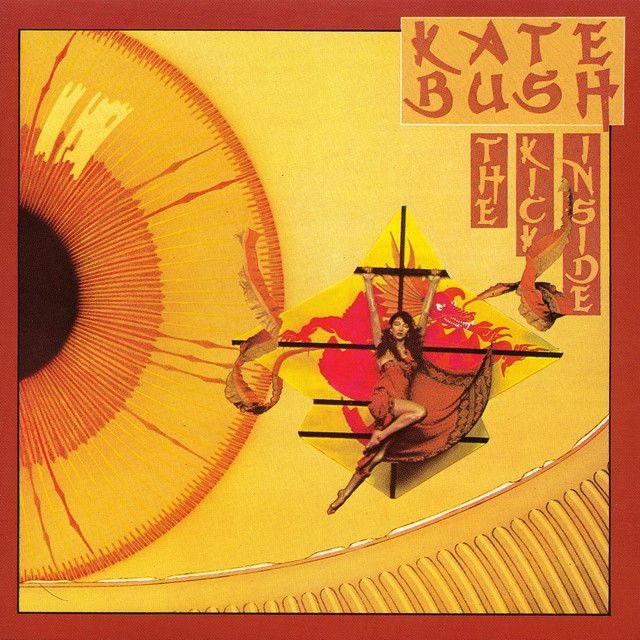
Wuthering Heights by Kate Bush
A Gothic Pop Classic With a Ghost at the Center
The meaning of Wuthering Heights Kate Bush starts with a bold idea: they sing as Catherine Earnshaw’s ghost, begging Heathcliff to let her back in. That point of view gives the song its strange power. It is not just a breakup song or a love song. It is a haunted monologue about love that refuses to end, even after death.
"Wuthering Heights" - Kate Bush
We'd roll and fall in green
You had a temper like my jealousy
Loading lyrics...
Unable to load lyrics
We're unable to display the lyrics at this time. Please try again later.
Kate Bush released “Wuthering Heights” as their debut single on January 20, 1978, and it became a landmark hit from The Kick Inside Wikipedia. Bush wrote it at 18, reportedly in a single evening, inspired by Emily Brontë’s novel and a screen adaptation Wikipedia. That literary source matters because the song keeps Brontë’s stormy mood but strips the story down to one desperate voice.

Watch the official Wuthering Heights
music video
What the Song Is Really Saying
At its core, the song is about love mixed with jealousy, guilt, and hunger for control. The speaker remembers a bond that was never peaceful. When they describe a temper like jealousy and feelings that were too hot, too greedy
, the song frames romance as something wild and consuming.
That is why the emotional turns feel so sharp. The speaker admits both hate and love, and that contradiction is the whole point. This relationship is not healthy or calm. It is passionate in a way that destroys boundaries, which fits both the novel and Bush’s dramatic retelling.
Interpretation: The song suggests that some forms of love become haunting because they are unfinished. Cathy is not only asking to return. They are demanding recognition, as if emotional history itself has become a ghost.
Cathy’s Voice Changes Everything
Most songs inspired by novels summarize plot. Bush does something smarter. They step inside Cathy’s voice and let the listener hear the plea directly. The repeated call to Heathcliff, it’s me, I’m Cathy
creates intimacy, but it is also unsettling. The listener is pulled to the window with him.
That choice explains why the song feels theatrical without losing emotion. Instead of talking about heartbreak from a distance, it performs haunting as an active event. Cathy is not a memory. They are present, cold, and insistent.
I’ve come home, I’m so cold
Let me in your window
Those lines are simple, but their effect is huge. Bush turns homecoming into something eerie. “Home” should feel safe, yet here it sounds impossible. Cathy belongs and does not belong at the same time.
A Quick Map of the Story Inside the Lyrics
The song’s narrative moves in clear stages:
- It opens with memory, recalling a shared past on the moors.
- It shifts into conflict, where desire and jealousy become destructive.
- It enters the ghostly present, with Cathy calling from outside.
- It ends in a darker threat, where love starts sounding like possession.
That last step matters. Near the end, the language grows more forceful, especially around grab your soul away
. The song no longer sounds like a gentle reunion. It sounds like a spirit trying to reclaim what was lost by force.
How the Music Carries the Meaning
Bush’s performance is central to the song’s impact. Their lead vocal was recorded in one take, and that fragile, high sound makes Cathy feel both human and unreal Wikipedia. Many singers might have treated the lyric like costume drama. Bush makes it feel urgent.
The arrangement helps too. Co-produced by Bush and Andrew Powell, the recording blends piano, drums, guitar, organ, and bright touches like celesta into something airy but tense Wikipedia. The music seems to float, yet the rhythm keeps pushing forward. That tension mirrors the lyric: the ghost is trapped between drifting and demanding.
Even the famous guitar solo adds to the drama rather than breaking it. It feels like a surge of weather across the track, fitting the moorland setting and the emotional storm.
Why the Song Feels So Unusual
Part of the meaning of Wuthering Heights Kate Bush comes from how odd it sounded in 1978. It was a pop hit, but not a normal one. Its melody is winding, its phrasing is irregular, and Bush’s voice refuses plain realism. Critics and listeners heard something theatrical, literary, and modern all at once.
That risk paid off. The single spent four weeks at No. 1 in the UK and made Bush the first female artist to top the UK chart with a fully self-written song Wikipedia. Its success matters because it proves the audience responded not in spite of its strangeness, but because of it.
Alternate Readings Worth Considering
There are at least two useful ways to read the song.
Love Beyond Death
Interpretation: The most direct reading is tragic devotion. Cathy’s voice reaches across death because emotional connection survives the body. In this version, the song is sad and romantic.
Obsession That Will Not Let Go
Interpretation: A darker reading hears the song as a warning. The speaker is trapped in possessive love, unable to release Heathcliff or themselves. In this version, haunting becomes a metaphor for obsession.
Both readings can be true at once, which is part of the song’s lasting appeal.
Why It Still Haunts Listeners
“Wuthering Heights” lasts because it turns a classic novel into pure feeling. Bush distills Brontë’s world into wind, memory, and a voice at the glass. The song is catchy, but it is also unsettling, which makes it hard to forget.
For many listeners, that is the real meaning: love can be beautiful, but when mixed with jealousy and need, it becomes its own kind of ghost.
Disclaimer: This article offers a literary interpretation based on the song, its lyrics, and documented background. Meaning can vary from listener to listener.








