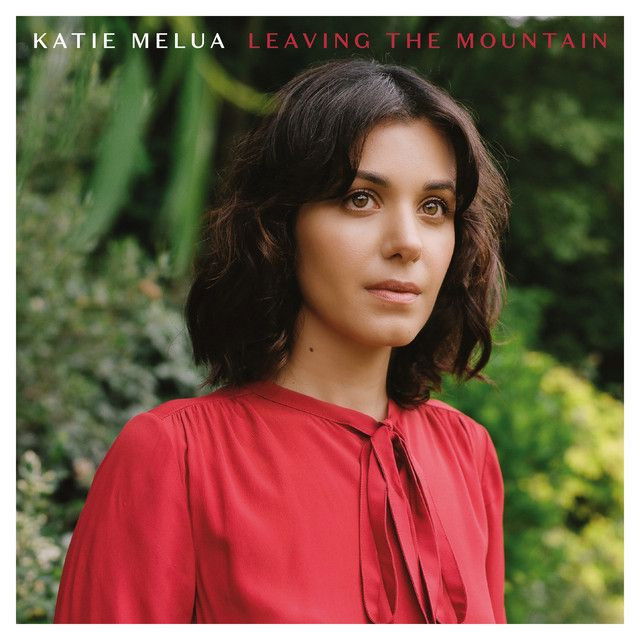
Why "Leaving the Mountain" Feels Half-Remembered
The meaning of Leaving the Mountain Katie Melua comes into focus when they hear it as a song about passing through beauty without fully possessing it. It is built from a simple travel scene: people come down from a mountain, a driver describes a hidden forest, and the image becomes intense in their minds. Yet they never quite arrive there. That gap between seeing and imagining is where the song lives.
"Leaving the Mountain" - Katie Melua
I watched as the whiteness melted away
Our driver liked talking, with the hills in his eyes
Loading lyrics...
Unable to load lyrics
We're unable to display the lyrics at this time. Please try again later.
Katie Melua often sings with restraint, and that matters here. Instead of turning the moment into a big drama, they let it stay gentle and unresolved. The result is a song about memory, wonder, and the sadness of things that almost become real.
A Journey That Matters Because It Stays Incomplete
On the surface, the story is easy to follow. The travelers are descending from the mountain as snow or ice gives way to a changing landscape. Along the way, their driver talks about a forest "buried in ice," and his excitement makes the place feel almost visible.
The family even considers going. A parent says they should stop because it is nearby. But they do not have time, and that missed turn becomes the emotional center of the song. What should have been a short detour becomes a lifelong kind of absence: something they nearly saw, but did not.
That is why the song feels so wistful. It is not mourning a person. It is mourning a possibility.

Watch the official Leaving the Mountain
music video
How Words Turn Landscape Into Memory
One of the most striking ideas in the song is that language itself creates the experience. The driver wants to "show it off glistening," but before anyone reaches the place, his words have already painted it. The travelers listen so closely that the forest seems to exist in their minds.
When the lyric mentions Edelweiss
, it adds a delicate alpine image. The flower is not just a plant here. It stands for something rare, pure, and almost storybook-like. The song suggests that the listeners can almost hear or see it simply because the description is so vivid.
Then the image shifts. The place seems to glow like art in a gallery
, which is a smart comparison. Art is framed, distant, and meant to be looked at with attention. In the same way, this forest becomes less like a destination and more like a mental exhibit: beautiful, lit up, but untouchable.
The Chorus Lives in the Space Between Seeing and Losing
The refrain keeps returning to the same emotional motion. The driver speaks, the place comes alive, and then it slips away again. That pattern is the heart of the song.
It all came alive
and then it was vanishing
Those two short ideas explain nearly everything. A place can feel real in imagination, but imagination is unstable. The more beautiful the vision becomes, the more painful it is when it fades.
This is where the meaning of Leaving the Mountain Katie Melua becomes broader than a travel memory. The song is also about how people carry moments they never fully had. Sometimes the mind turns a passing description into something emotionally lasting.
Small Details That Deepen the Song’s Mood
The writing includes grounded images that keep the song from floating away into pure dream. There are homes with smoke rising. There are signs of landslides. There is a valley below the mountain. These details remind listeners that the journey is happening in a real, lived landscape.
That realism matters because it makes the imagined forest feel even stranger. It exists beside ordinary life, yet remains inaccessible. The line about we’ll see it some day
is especially moving because it sounds casual, even hopeful, while quietly hinting that some promised visits never happen.
The ending pushes this idea further. The song calls the place one of those things
people try but cannot fully understand. That is a graceful way of saying some experiences resist being captured, even when they deeply affect them.
Sound and Delivery: Why the Song Feels So Gentle
Interpretation: Even without heavy production details provided here, the song’s likely power lies in its softness. Melua’s phrasing tends to favor clarity and calm over force, which suits a lyric about a fleeting image. A louder, more dramatic arrangement could have made the memory feel overstated. A measured delivery lets it hover.
The repetition also works like memory. Certain phrases return not to add plot, but to mimic the way the mind revisits one glowing detail. They are not trying to solve the mystery of the place. They are circling it.
That circular feeling supports the theme: the travelers leave the mountain physically, but mentally they keep returning to the forest they missed.
A Few Strong Ways to Read the Song
Interpretation 1: It is about missed chances. The family almost takes the detour, but everyday limits get in the way. The song then becomes a quiet study of regret.
Interpretation 2: It is about the power of storytelling. The driver does not merely describe a place; he creates it for the listeners. His words change the air around them.
Interpretation 3: It is about the limits of understanding. The final feeling is not simple disappointment. It is awe mixed with confusion, as if some beauty can only be approached, never fully known.
Why This Song Lingers
What makes "Leaving the Mountain" memorable is its modesty. Nothing huge happens. No crisis erupts. Still, the song captures a feeling many people know: hearing about a place, a life, or a possibility that becomes luminous in the mind and stays there because it was never completed.
In that sense, the song is less about arrival than about what remains after a near-arrival. The forest is hidden in ice, but it also becomes hidden in memory. That is why the song feels so haunting.
Disclaimer: This interpretation is an informed reading of the lyrics and performance, not a definitive statement of authorial intent.








