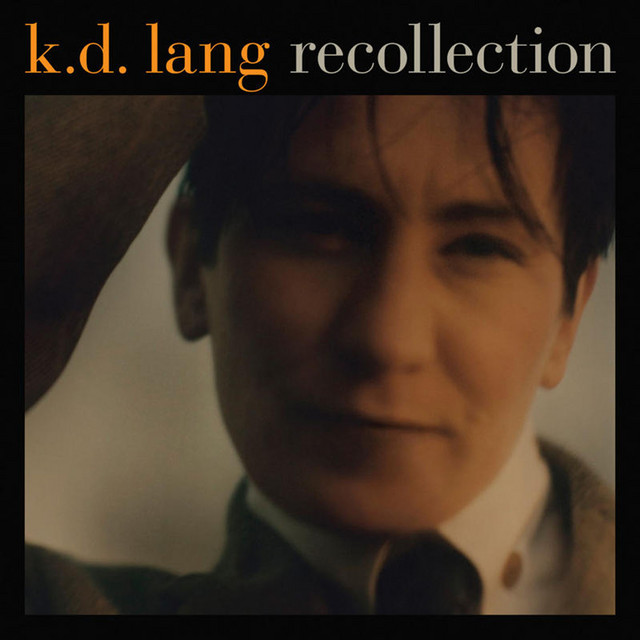
Why k.d. lang’s “Hallelujah” Feels So Human
The meaning of Hallelujah k.d. lang comes from a tension the song never tries to solve. It holds faith and doubt, desire and devotion, beauty and damage in the same breath. That is why her version feels so powerful: they sing it not as a simple hymn, but as a testimony from someone who knows life can be both sacred and broken.
"Hallelujah" - k.d. lang
That David played, and it pleased the Lord
You don't really care for music, do you?
Loading lyrics...
Unable to load lyrics
We're unable to display the lyrics at this time. Please try again later.
Leonard Cohen wrote “Hallelujah” for his 1984 album Various Positions, and the song grew slowly before becoming a modern standard through later covers. By 2008, more than 300 versions were known, according to widely cited reporting collected by reference sources. k.d. lang recorded their version in 2004 for Hymns of the 49th Parallel, and it became one of the most praised interpretations of the song.
A Prayer Made From Contradictions
At its core, the song is about saying yes to life even when life wounds them. Cohen described “Hallelujah” as a way to affirm life, not in a narrow religious sense, but with feeling and acceptance. That idea matters because the lyrics do not offer clean comfort. Instead, they move through longing, betrayal, memory, and spiritual hunger.
k.d. lang gave a concise reading of the song when they described it as the struggle between human desire and spiritual wisdom. That interpretation fits the lyric perfectly. The repeated cry of Hallelujah
is not always joyful. Sometimes it sounds grateful; sometimes it sounds exhausted. In this version, it often feels like both.
Watch the official Hallelujah
music video
Where the Lyrics Point
One reason the song feels so rich is that Cohen fills it with biblical images, then mixes them with ordinary romantic pain. Early on, the song references music itself with the fourth, the fifth
. That moment is clever, but it also signals something deeper: music becomes a path toward the unsayable.
The next images turn toward desire and downfall. The lines about being overthrew you
and having a throne broken connect love with humiliation and loss of control. These scenes echo stories linked to David and Samson, but the song uses them more as emotional symbols than as strict retellings. The point is not theology alone. It is that people are often weakest where they most want beauty, intimacy, and meaning.
The Chorus Is Not a Victory Song
The key emotional turn comes when the song rejects any easy triumph. Cohen writes that love is not a victory march
. That phrase matters because it pushes back against the idea that love or faith always leads to clarity.
It’s a cold and broken Hallelujah
That short refrain captures the heart of the song. It suggests praise can survive even after disillusionment. In other words, the speaker is not praising because everything worked out. They are praising despite the wreckage.
For the meaning of Hallelujah k.d. lang, that distinction is everything. Their performance leans into the ache inside the word rather than treating it like a simple spiritual release.
Why k.d. lang’s Version Hits So Hard
k.d. lang’s recording is slow, spacious, and controlled. The arrangement leaves room around the voice, which makes each phrase feel deliberate. Instead of pushing toward drama too early, they let the melody rise naturally, so the emotion feels earned.
That approach suits the song’s structure. “Hallelujah” was written in 12/8 time, a rolling meter that can feel hymn-like, almost like a slow sway. It also famously describes its own harmony through the line about the chord movement. In performance, that self-awareness can sound clever. In lang’s hands, it sounds intimate, as if the song is revealing its bones.
Their voice also changes the meaning. Many singers approach “Hallelujah” as a showcase. k.d. lang approaches it as a confession. The result is less theatrical and more human. That may help explain why their major live performances, including the 2005 Juno Awards and the 2010 Vancouver Olympics, were so widely remembered.
A Song Shaped by Many Versions
“Hallelujah” is unusual because there is no single fixed version in popular culture. Cohen wrote many draft verses and kept revising the song. John Cale’s 1991 cover helped define the verse selection many later artists used, and Jeff Buckley’s 1994 version became another major touchstone.
That history matters because k.d. lang enters a conversation already in progress. Their version does not try to out-sing every prior cover. Instead, it clarifies one thread in the song: the ache of being caught between body and soul.
Anjani Thomas, from Cohen’s circle, once praised lang’s performance as an almost ultimate realization of the song. Even without that endorsement, listeners can hear why this rendition stands out. It honors the song’s ambiguity instead of simplifying it.
So What Does the Song Finally Mean?
Interpretation: the song says that brokenness does not cancel wonder. Love may fail, faith may flicker, and desire may confuse them, but there can still be a form of praise left over. Not shiny praise. Not certainty. Just a wounded kind of acceptance.
That is why the meaning of Hallelujah k.d. lang still resonates. They perform the song as if the word “hallelujah” belongs not only to the saved or the joyful, but also to the grieving, the doubtful, and the disappointed.
In that reading, the song’s deepest message is simple: people do not need to be whole before they can speak reverence.
Disclaimer: This interpretation is based on the lyrics, documented artist commentary, and performance context. Like many great songs, “Hallelujah” remains open to more than one valid reading.








