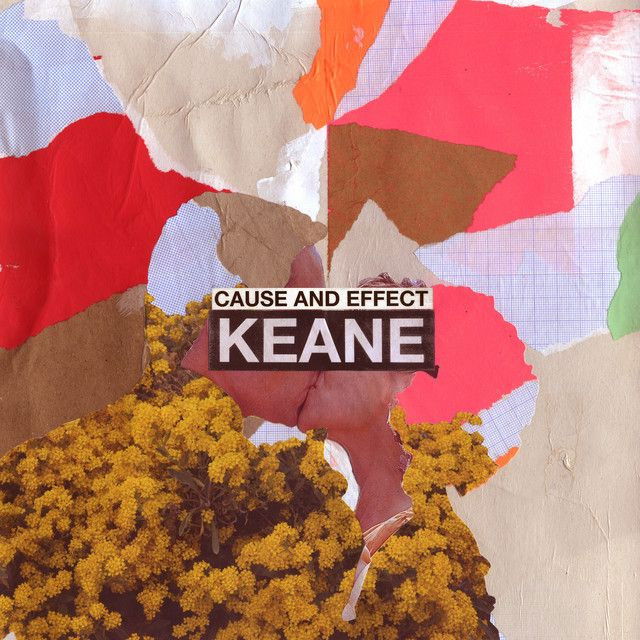
Love Too Much by Keane
The meaning of Love Too Much Keane centers on a painful but generous idea: loving deeply can leave scars, yet that does not make the love a mistake. Instead of mocking emotional risk, the song treats it as proof of being fully alive. It is about giving everything to a relationship, losing something in the process, and still refusing to be ashamed of that intensity.
"Love Too Much" - Keane
That I felt afraid and I didn't step back
Whether right or wrong
Loading lyrics...
Unable to load lyrics
We're unable to display the lyrics at this time. Please try again later.
Keane released the song on Cause and Effect in 2019, an album widely framed as personal and relationship-focused in coverage around the record, including on the band's official album page. That context matters. The song sounds like a statement of survival after emotional upheaval.
The Heart of the Song Is Brave Vulnerability
At its core, the narrator is not asking for pity. They are making a case for emotional honesty. Early lines stress that they gave everything they had and did not run from fear. When the song says gave it all
, it turns love into action, not just feeling.
That matters because the lyric keeps balancing two truths at once:
- loving fully can lead to mistakes
- mistakes can still shape a meaningful life
- a lost relationship can leave behind real value
The chorus sharpens this tension with phrases like push too hard
and go too far
. In plain terms, the singer admits that passion can become excess. But the song never treats that excess as simple failure. It sounds more like a human cost of caring deeply.

Watch the official Love Too Much
music video
How the Verses Build the Message
The verses move from confession to reflection. First, they say they faced fear and acted with love anyway. Then the song widens out, almost speaking for everyone: people make mistakes, open their hearts, and chase moments that feel magical.
This shift is important. The story starts as one person's memory, then becomes a larger statement about human behavior. The repeated use of collective language suggests that overloving is not rare or strange. It is part of being human.
One of the song's strongest ideas is that dreams and devotion always demand a trade. The lyric suggests that pure dreams can only live because something else dies. Paraphrased, it means every major emotional commitment costs time, innocence, comfort, or another version of life.
For a moment I was all
that I could be
That brief peak matters more than the ending. The narrator may have lost the relationship, but they gained a moment of complete selfhood.
Why the Chorus Hits So Hard
The chorus is the emotional center because it names the pattern without denying its beauty. The title phrase love too much
could sound like criticism. In this song, it sounds closer to a wound worn with pride.
The lines about flying too high and going too far suggest risk, but they also suggest transcendence. This is not the language of numbness. It is the language of someone who reached for more than safety.
The final claim, Nothing can take that away
, is the song's real thesis. Even if the relationship ended, no one can erase the fact that the narrator once loved fully and became fully visible, both to another person and to themselves.
Dreams, Falling, and the Cost of Feeling
A key theme in the meaning of Love Too Much Keane is the link between ecstasy and collapse. The song does not separate joy from pain. It suggests they arrive together.
That idea appears in the contrast between feeling high and falling down. Interpretation: Keane seem to argue that emotional extremes are not accidents to avoid at all costs. They are part of what makes life vivid. When the lyric says people feel most alive in the fall, it reframes heartbreak as proof of deep experience rather than simple defeat.
The song also uses drinking imagery in a symbolic way. When it says to feel everything and drink it up, the point is not literal intoxication. It suggests total immersion: taking in love, risk, memory, and pain without holding back.
How Keane's Sound Supports the Meaning
Keane are known for piano-led, emotional pop-rock, going back to Hopes and Fears, and that style helps this song land. Even without quoting many lyrics, listeners can hear how the arrangement carries the meaning.
The production is polished but not cold. The steady build, broad chorus, and clear vocal delivery give the song a feeling of uplift that complicates the sadness. Instead of sinking into despair, the music keeps rising. That makes the words feel resilient.
Tom Chaplin's voice is especially important here. He sings with strain and warmth, which suits a lyric about giving too much. The performance sounds reflective rather than bitter. That difference shapes the message: this is not revenge, and it is not self-pity. It is testimony.
A Few Strong Readings of the Song
Interpretation 1: A breakup song about dignity. The clearest reading is that the narrator looks back on a relationship that hurt them but still believes the love was real and valuable.
Interpretation 2: A wider statement about how to live. Because the song keeps using broad, almost universal language, it can also be heard as advice: better to care too much than never risk caring at all.
Interpretation 3: A creative manifesto. The lines about dreams, sacrifice, and becoming all they could be may also apply to ambition, art, or personal transformation, not just romance.
Why the Song Still Connects
What makes the song memorable is its refusal to flatten love into either triumph or disaster. It says both things can be true. People can overreach, lose, and still keep something permanent: the knowledge that they lived honestly.
That is the lasting meaning of Love Too Much Keane. The song argues that love's value is not measured only by whether it lasts. Sometimes its value lies in how fully it changed the people inside it.
Disclaimer: This interpretation is based on the lyrics, recording, and available artist context. Like many songs, it can support more than one reasonable reading.









