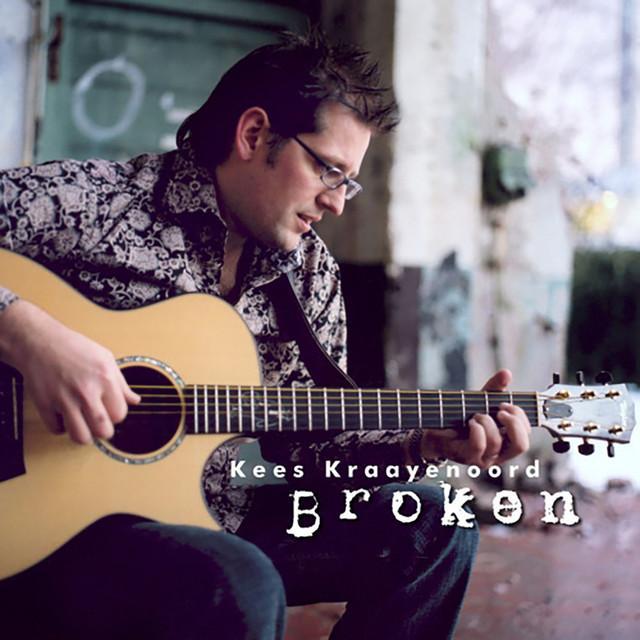
Gethsemane by Kees Kraayenoord
The meaning of Gethsemane Kees Kraayenoord starts with a scene of extreme pressure. The song places listeners inside Jesus' prayer in the Garden of Gethsemane, just before the crucifixion. Its focus is not action or drama. Instead, it stays with fear, sorrow, obedience, and willing sacrifice.
"Gethsemane" - Kees Kraayenoord
To the point of death
And sorrow overtakes me
Loading lyrics...
Unable to load lyrics
We're unable to display the lyrics at this time. Please try again later.
In simple terms, the song is about choosing God's will even when that path brings pain. It presents Jesus as fully aware of suffering and yet still willing to accept it for others. That tension gives the song its emotional force.
A Prayer Built on Sorrow and Choice
The opening lines describe crushing emotional weight. When the singer says the heart is overwhelmed and that darkness surrounds them, the song paints Gethsemane as a place of loneliness and dread. The image is spiritual, but it is also deeply human.
That is one reason the song works well in worship. It does not rush to triumph. It first sits in grief. Short phrases like overwhelmed
and to the point of death
show a person under unbearable strain, not someone untouched by fear.
This matters because the song's theology depends on that honesty. If there were no real anguish, then surrender would cost very little. Here, surrender costs everything.
The Biblical Core Behind the Lyrics
The song clearly draws from the Gospel accounts of Jesus praying in Gethsemane, especially the language about the cup, the Father's will, and the sorrow of the moment. Readers can see this scene in Matthew 26, where Jesus asks whether the cup can pass and then submits to the Father's will.
The lyric about this cup
is especially important. In biblical language, the cup often stands for suffering or judgment. In the song, it becomes the symbol of the burden Jesus must carry. The singer does not deny the pain of that burden. They ask whether it can be removed, then accept it.
Not my will but yours be done
My life is in your hands
These brief lines summarize the whole message. First comes honest desire to avoid suffering. Then comes obedience. The song's center is not despair, but surrender.
How the Story Moves From Fear to Obedience
A useful way to understand the meaning of Gethsemane Kees Kraayenoord is to follow its emotional timeline:
- The speaker feels crushed by sorrow.
- They recognize isolation on a
long hard road
. - They remember the purpose of the suffering.
- They submit to the Father's plan.
That third step is key. The song says the death is chosen for the ones
given to him. So the prayer is personal, but not private. It points outward toward salvation, love, and self-giving.
This keeps the song from sounding only tragic. It is tragic, but it is also purposeful. The pain is not random. It serves redemption.
Why the Song Feels Intimate in Worship
Kees Kraayenoord is known in contemporary Christian worship for songs that combine congregational simplicity with strong biblical language. That context matters here. Even when the words are voiced as Jesus' prayer, the worship setting invites listeners to reflect on their own obedience, trust, and fear.
That does not mean the song turns Jesus' experience into a generic life lesson. Rather, it asks worshipers to stand near the moment and consider what faithful surrender looks like. Kraayenoord's broader ministry and music have often centered on praise shaped by Scripture, as reflected on his official site.
Interpretation: In that setting, the song does two things at once. It remembers Christ's suffering, and it trains the listener's heart toward submission.
Sound, Pace, and Emotional Weight
Even without a complex lyric structure, the song can carry strong meaning through performance. Songs about Gethsemane usually rely on restrained tempo, soft piano or pad textures, and a vocal that sounds prayerful rather than showy. That kind of arrangement fits the lyric's inward struggle.
If performed with gradual build, the music mirrors the emotional journey. Quiet verses suggest solitude. A fuller chorus or sustained harmony can make surrender feel larger than one person's fear. In worship music, that lift often signals trust emerging from pain.
The phrasing also helps. The lines are direct and unornamented. There is little metaphor beyond darkness, the road, and the cup. That simplicity makes the song accessible for a congregation while preserving the seriousness of the subject.
Themes That Hold the Song Together
Several themes connect every part of the lyric:
- Suffering: The speaker does not hide agony.
- Obedience: Submission is the turning point.
- Sacrifice: The suffering is accepted for others.
- Trust: The Father's hands and plan remain central.
- Purpose: The pain leads toward fulfillment, not chaos.
The strongest contrast is between human desire and divine calling. The song admits the natural wish to escape pain, then places that wish under God's will. That is why the lyric feels spiritually serious. It does not celebrate pain itself. It honors faithful endurance.
A Clear Final Reading
At its heart, the meaning of Gethsemane Kees Kraayenoord is the cost of obedience before the cross. The song imagines Jesus in the garden as sorrowful, isolated, and fully aware of what is coming, yet still choosing submission out of love and trust.
Interpretation: For many listeners, that makes the song both devotional and challenging. It comforts them with Christ's willingness to suffer for others, while also asking whether they can say yes to God when the answer is costly.
That balance is what gives "Gethsemane" its staying power. It is not simply a song about pain. It is a song about surrendered pain.
Disclaimer: This interpretation is based on the lyrics provided, biblical context, and Kees Kraayenoord's worship setting. As with any song, listeners may hear personal meanings beyond this reading.








