Why 'Wasted Time' by Keith Urban Still Hits
The meaning of Wasted Time Keith Urban comes down to a smart emotional twist: the hours that looked careless or aimless in youth end up feeling like the richest part of life. Instead of regretting those nights, the song celebrates them.
"Wasted Time" - Keith Urban
I'm smiling looking at this photograph
I hear that song and I'm flying right back
Loading lyrics...
Unable to load lyrics
We're unable to display the lyrics at this time. Please try again later.
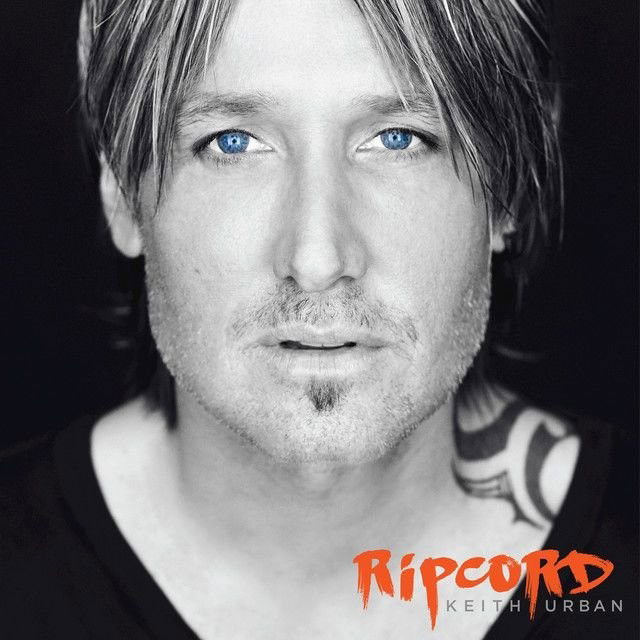
Keith Urban released “Wasted Time” in 2016 as a single from Ripcord, a record that leaned hard into country-pop and electronic textures. The song was written by Keith Urban, Greg Wells, and James Abrahart, and it helped show how far Urban could stretch his sound while keeping his storytelling center intact.
The Title Is the First Big Clue
At first glance, “wasted time” sounds like a warning. But the chorus turns that phrase inside out. The song remembers old nights of driving, singing, flirting, and hanging around as the best days of my life
.
That reversal is the heart of the song. What once seemed small, messy, or unplanned becomes priceless through memory. In plain terms, the singer is not mourning laziness. They are mourning how fast youth vanished.

Watch the official Wasted Time
music video
Memory Turns Ordinary Moments Into Treasure
The verses build that feeling through vivid snapshots. Rain in the present leads to a photograph and a song, which send the narrator backward in time. That jump shows how memory works: one image or melody can reopen an entire era.
The details are simple on purpose. There are friends on a two-lane road, music on the radio, and nights that felt endless. Short phrases like summer nights
and back roads
are not just scenery. They act like emotional shortcuts to freedom, first love, and a world that felt bigger because the characters were younger.
A Story About More Than Romance
One reason the song connects so widely is that it is not only about one person. There is a romantic thread, especially when the song recalls sneaking out and holding hands, but the emotional target is larger than a breakup or lost relationship.
It is about a whole season of life. Friends, hometown spaces, cheap speakers, local drinks, and songs on the radio all matter. Even the phrase we had nothing but we had it all
sums up the song’s main argument: material lack did not stop emotional abundance.
Interpretation: listeners can hear the song as either a love song, a hometown song, or a youth song. The strongest reading is that it blends all three. The romance matters because it stands inside a wider memory of belonging.
The Chorus Reframes the Past
The chorus is where the song earns its title. Urban stacks nostalgic images, then lands on all that wasted time
. By placing that phrase after scenes of joy and connection, the song makes it ironic.
In other words, the narrator is using the language adults often use to dismiss youth, then rejecting that judgment. The point is not that those years were literally wasted. The point is that life often teaches this lesson too late.
Change, Loss, and the Hometown Ache
The song is not pure celebration. A second verse introduces loss more directly. Familiar places have changed, and the town no longer feels the same. The image of the rope by the river hanging still suggests a memory spot that has outlived the people and energy that once gave it meaning.
Another key line describes how the color from the picture frame
was taken away. That image links memory, photography, and emotional fading. It suggests that time itself has drained brightness from the past, but it also hints that modern life, money, and progress can flatten places that once felt alive.
That gives the song some bite. Nostalgia here is not only sweet. It also carries quiet anger at what disappears.
How the Sound Carries the Meaning
Production matters a lot to the meaning of Wasted Time Keith Urban. Even without quoting the full arrangement, listeners can hear the push-and-pull between nostalgia and motion. The beat drives forward, while the lyrics keep looking back.
That contrast is powerful. Instead of sounding sleepy or sad, the song feels charged and bright. Urban uses a slick country-pop frame with programmed rhythm, big hooks, and guitar touches that keep one foot in country storytelling. The result is a memory song that moves like a night drive.
Interpretation: this matters because the past in “Wasted Time” is not dead. The production makes it feel physically present, as if the old nights still pulse through the narrator’s body whenever the right song comes on.
Why the Song Resonates So Deeply
Many listeners respond because the song names a common adult realization. People spend years trying to be productive, responsible, and efficient. Then they look back and see that some of their most meaningful moments came from doing things that had no clear purpose.
That is why the lyrics about old radios, side roads, and hanging out hit so hard. The song argues that joy does not need a résumé. Sometimes memory crowns the moments that looked least important at the time.
The Lasting Meaning of “Wasted Time”
In the end, “Wasted Time” is about memory rescuing youth from the label of uselessness. It treats carefree nights not as mistakes, but as the foundation of identity. What looked like drifting was actually living.
That is the lasting meaning of Wasted Time Keith Urban: life’s most valuable hours are often the ones no one knew how to measure when they were happening.
Disclaimer: This interpretation is based on the song’s lyrics, sound, and public release context. As with any song, listeners may hear meanings that differ from this reading.









