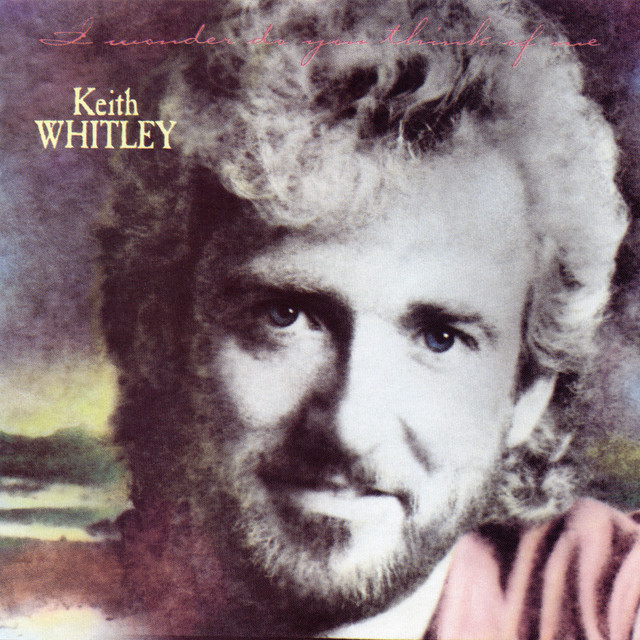
Between an Old Memory and Me by Keith Whitley
A Quiet Country Song About Private Grief
The meaning of Between an Old Memory and Me Keith Whitley comes down to one painful idea: they are trying to sit alone with heartbreak, and the world will not stop interrupting. The song is set in a small club, with whiskey, a jukebox, and a stranger offering company. But the real drama is not romance. It is memory.
"Between an Old Memory and Me" - Keith Whitley
In a little club downtown
Playin' songs on the jukebox
Loading lyrics...
Unable to load lyrics
We're unable to display the lyrics at this time. Please try again later.
From the start, the singer is physically in a public place and emotionally somewhere else. They are sitting among other people, yet locked inside their own thoughts. When someone reaches out, they turn inward instead of outward. That choice tells listeners almost everything: this is a song about mourning a lost relationship, and about guarding that sadness like something personal and fragile.
Keith Whitley recorded the song for his 1989 album I Wonder Do You Think of Me. It was written by Keith Stegall and Charlie Craig, two writers who knew how to make plain language carry a lot of hurt. The words are simple, but the emotional pressure is heavy.
Watch the official Between an Old Memory and Me
music video
The Barroom Scene Is Really a Mindset
Why the Opening Matters
The opening uses familiar country images: a table, a downtown club, songs on a jukebox, and whiskey going down. None of that is there just for style. It shows a person trying to manage pain through routine. They are not partying. They are hiding in a place where loneliness can blend into the room.
Then a voice asks for company. The answer is polite but firm. The key line, just between an old memory and me
, turns the whole song inward. It says the singer is not available, not because they are angry, but because they are still emotionally occupied.
Memory as a Third Presence
One of the smartest things in the song is the title itself. Memory acts like another person in the room. It is almost as if the singer is seated with the past, and no one else is welcome at the table. That gives the song its ache. The lost love is absent, but still powerfully present.
How the Verses Build the Song's Theme
The second verse widens the picture. Friends call the singer foolish for hanging on. That matters because it shows this sadness is not new. The heartbreak has lasted long enough for other people to notice and judge it.
Still, the singer resists advice. Phrases like holding on
and let me be
show a person who knows their behavior may not look healthy, but they are not ready to change. They would rather sit with the pain than pretend they are over it.
This is where the song becomes more than a drinking song. It is about the stubborn life of memory. People can tell someone to move on, but memory does not obey social pressure. It returns when it wants, and often in the quietest moments.
The Chorus Turns Solitude Into a Defense
The chorus gives the singer a kind of defense speech. They insist they are not hurtin' anybody
. On the surface, that sounds practical. They are saying: leave this alone, because this sadness is private.
But underneath, the line also reveals self-justification. Interpretation: they may be trying to convince themselves as much as everyone else. The next image deepens that feeling when the woman from the past goes walkin' through my mind
. That phrase is gentle, but it lands hard. The memory is active, vivid, almost alive.
I just need to be alone sometimes
while she goes walkin' through my mind
That short moment captures the full emotional engine of the song. Solitude is not emptiness here. It is a space where memory can replay itself.
How Keith Whitley's Delivery Shapes the Meaning
Keith Whitley was one of country music's great interpreters of sadness, and that matters to the meaning. He rarely needed big gestures. Instead, they brought emotional weight through control, phrasing, and a tired tenderness in the voice.
The production stays rooted in classic country. The arrangement is restrained, likely built around steady rhythm, clean steel or guitar textures, and room for the vocal to carry the story. Nothing feels flashy. That choice supports the lyric because the song is about interior struggle, not dramatic action.
In other words, the track sounds like the emotional state it describes: weary, steady, and dimly lit. The music does not push the singer forward. It lets them stay stuck.
Context, Covers, and Why the Song Endured
The song's staying power also helps explain its meaning. It was later recorded by Travis Tritt, whose version reached No. 11 on the U.S. Billboard Hot Country Singles & Tracks chart and No. 3 in Canada, according to Wikipedia's song entry. That later success shows the theme traveled well because it speaks to a common country truth: some heartbreak does not explode, it lingers.
Billboard's Deborah Evans Price praised Tritt's version as proof that people still connect with drinking songs. That is true, but this song works because it is more than that. The alcohol and the bar are surface details. The real subject is emotional isolation.
A Simple Song With a Lasting Sting
Interpretation: the song does not celebrate wallowing. It simply understands it. They know memory can become a companion, even when that companionship hurts. The singer asks for no rescue, no lecture, and no replacement. They only want room to feel what they still feel.
That is the lasting meaning of Between an Old Memory and Me Keith Whitley: some breakups do not end when the relationship ends. They continue as private conversations between a person and the version of love they cannot quite release.
Disclaimer: This interpretation is based on the recorded lyric, performance, and available song history. As with any song, listeners may hear meanings that differ from this reading.








