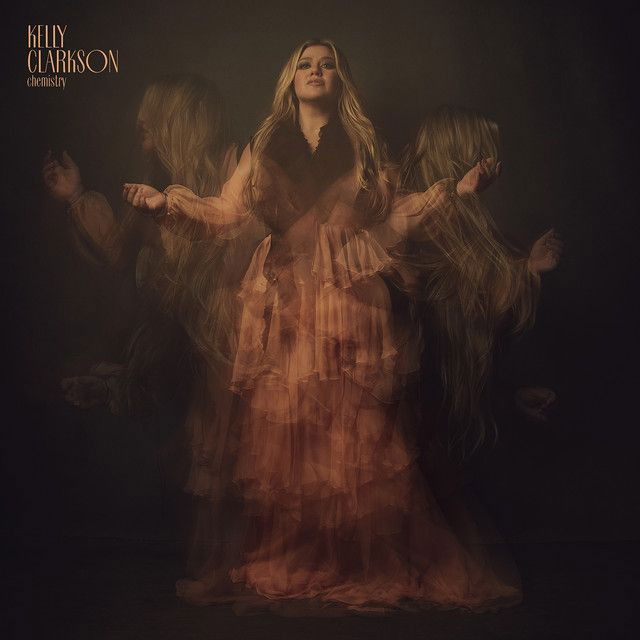
The Meaning of ‘Mine’ by Kelly Clarkson, Unpacked
Kelly Clarkson’s “Mine” is a clean cut through the fog of heartbreak. Right away, it frames a narrator who once trusted, now questions everything, and ultimately claims their own closure. For readers searching the meaning of mine Kelly Clarkson, this guide explains how the song moves from shock to self-respect, and how the sound amplifies that shift.
"mine" - Kelly Clarkson
Thought with you maybe my heart wasn't meant to break
Can't believe I let you in, I can't believe I stayed
Loading lyrics...
Unable to load lyrics
We're unable to display the lyrics at this time. Please try again later.
A breakup that stings—and then steels
“Mine” centers on betrayal’s aftershocks: doubt, insomnia, and the slow rebuild of self. The narrator admits they now question every motive
and even their own instincts. That loss of inner compass is the wound.
But the song refuses to stay in misery. Instead, it delivers a bittersweet wish that the ex will learn empathy the hard way. When the narrator says someone will steal your shine
, they aren’t being cruel; they’re naming the harm and demanding recognition of it.
Who’s speaking and who’s being addressed?
The voice is first-person, hurt but lucid, speaking to a specific “you” who crossed lines. The “you” seems charming and image-focused, which the bridge underlines with it’ll come back, karma
. The song isn’t a rant; it’s a letter written after the adrenaline fades.
Clarkson’s delivery balances grace and grit. They sound wounded in the verses, then sharpen at the bridge, as if the narrator has rehearsed these lines alone and is finally ready to say them aloud.
The story, in three clean beats
- Doubt sets in. The narrator confesses they let this person in, then felt their confidence collapse.
- The chorus names the ache. The desire to forget collides with the body’s habit of missing what hurt it.
- The bridge draws a line. By calling out sabotage and karma, the narrator seals their own boundary.
By the end, the song becomes a mirror: if the ex can’t see what they did, fate will show them.
The chorus: a wound and a wish
The chorus is the song’s thesis—wanting oblivion and still aching at night. It’s the place where heartbreak turns into a bittersweet hope that experience will teach the ex what apologies didn’t.
Go ahead and break my heart, that’s fine Eternal sunshine of the spotless mind Why am I missing you tonight?
Placed together, those lines reveal a swirl of defiance, fantasy, and relapse. The narrator’s bravado is real, but so is the longing.
Symbols that sharpen the message
- Eternal sunshine: The line gestures toward erasing pain. The narrator knows memory-clearing would be a relief, yet they also accept that healing won’t come from pretending the past never happened.
- Shine: To
steal your shine
is to dim someone’s confidence and public glow. The song flips that image back on the ex, hinting at accountability. - Karma: The bridge’s
it’ll come back, karma
reframes closure. Instead of seeking revenge, the narrator trusts the cycle of cause and effect. - Faith and dreams: When they admit being
lost all in faith
, and that closing their eyes brings nothing, the song shows how betrayal can drain creativity and belief. Recovery means rebuilding those inner rooms.
How the sound carries the meaning
“Mine” is a piano-led pop ballad that swells into pop-rock power. The verses sit close to the mic, like a late-night confession. As drums and strings lift, the chorus opens up—wide vowels, harmonies, and a melody that reaches even while it doubts.
The production is clean but dynamic. Early restraint leaves space for the story; later, layered vocals and reverb make the chorus feel communal, as if the narrator has found people who understand. That shift from intimate to widescreen mirrors the arc from private pain to public clarity.
Context that colors the read
Clarkson has described the album era as chronicling a relationship from spark to fallout. Listeners naturally link “Mine” to public chapters of her life, but the song keeps its details universal. That’s why a line like love is blind
lands: it’s personal and archetypal, a truth many learn the hard way.
Importantly, the lyric avoids blame spirals. The narrator owns their part—letting someone in too far, staying too long—yet refuses to carry the other person’s choices.
Alternate ways to hear it
- Interpretation: A letter to the self. The “you” could also be the version of the narrator who ignored red flags. In that frame,
someone’s gonna show you
becomes a vow to never ignore intuition again. - Interpretation: A critique of image-making. The bridge’s barbs about sabotage and optics suggest an ex obsessed with how things look. The song then doubles as a protest against performative love.
Takeaway: a steady reclaiming of self
What gives “Mine” its bite isn’t revenge; it’s boundaries. The narrator turns hurt into a quiet certainty that they deserve better. That certainty—not the fantasy of forgetting—is what finally breaks the spell.
Disclaimer: Song meanings are interpretive and may differ from the artist’s intent or listener experience.








