Why 'Heart to Heart' Still Hits So Hard
The meaning of Heart to Heart Kenny Loggins comes down to one hard truth: love cannot survive on denial forever. This song is not about a dramatic fight. It is about the quieter, sadder moment when two people realize they have drifted apart and must finally speak honestly.
"Heart to Heart" - Kenny Loggins
I ain't gonna lie anymore
What you're feelin'
Loading lyrics...
Unable to load lyrics
We're unable to display the lyrics at this time. Please try again later.
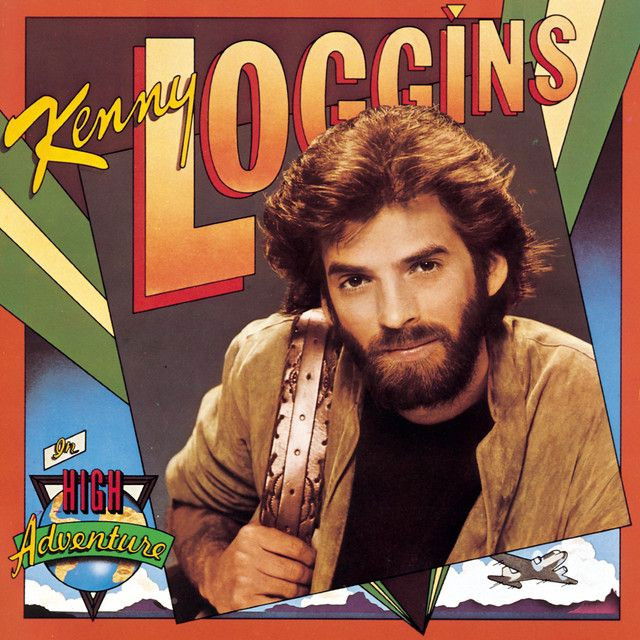
Released in 1982 as a single from High Adventure, the song was co-written by Kenny Loggins, Michael McDonald, and David Foster, and it became one of Loggins' biggest non-soundtrack hits, reaching No. 15 on the Billboard Hot 100 and No. 3 on Adult Contemporary, according to its chart history and credits in the available research sources.
A Love Song About Truth, Not Fantasy
At its core, this is a relationship song about emotional distance. The narrator is not pretending everything is fine. From the start, they admit something is wrong, and they stop hiding behind comfort or routine.
That is why the opening feels so direct. The singer basically tells their partner that their pain is real and justified. When the lyric says You ain't crazy
, it clears away blame. The problem is not imagined. The relationship has changed.
Interpretation: This matters because the song treats honesty as an act of care. Even when the truth hurts, speaking plainly is kinder than offering false hope.

Watch the official Heart to Heart
music video
Where the Story Turns
The verses build a clear emotional timeline:
- The narrator admits the partner's feelings are valid.
- They confess love may no longer look the way it once did.
- They warn that excuses have replaced intimacy.
- They ask for one last real conversation.
A key line is collecting lies
. That phrase suggests damage that happened slowly. This is not one betrayal or one bad night. It is the buildup of half-truths, avoidance, and emotional alibis.
Another short phrase, grown apart
, gives the song its central wound. The relationship did not collapse in one moment. It stretched until connection became hard to recognize.
Why the Chorus Carries the Whole Meaning
The chorus asks a painful question: can people stay together once distance has set in? The song never answers that with confidence. Instead, it offers a process.
Does anything last forever? I don't know Maybe we're near the end
That brief passage frames the whole song. It admits uncertainty, accepts that endings are possible, and refuses fake reassurance.
Then comes the title idea: heart to heart
. In plain terms, the song says repair starts with emotional honesty. If there is any path forward, it begins by dropping defenses and speaking openly.
Interpretation: The chorus is powerful because it works in two directions. A heart-to-heart could save the relationship, but it could also help the couple part honestly. Either way, truth is presented as the only healthy beginning.
The Sound of Adult Heartbreak
The production helps explain why the song feels so mature. Research on the track credits Michael McDonald with Rhodes piano and David Foster with grand piano and string arranging, while David Sanborn adds the saxophone solo. Those musical choices matter.
The Rhodes in the verses gives the song a soft, intimate glow. The grand piano and strings in the chorus lift the emotion without making it melodramatic. Then the saxophone arrives not as flashy decoration, but as a release of feelings the narrator cannot fully say.
This blend of soft rock and contemporary R&B fits the lyric perfectly. It sounds polished, but also wounded. The groove keeps moving forward even while the words look back at what has been lost.
The Writers' Shared Strengths
One reason the song feels layered is that its writers brought different strengths. Songfacts reports that Loggins wrote the chorus with David Foster and the verses with Michael McDonald, combining two distinct keyboard styles. That split can be heard.
The verses feel conversational and reflective. The chorus feels broader and more dramatic, as if private doubt suddenly becomes a universal question about whether love can last.
Interpretation: This may be why the song balances two moods at once. It is ambivalent, because the narrator does not know the outcome. But it is also passionate, because they still care enough to ask for truth.
A Few Possible Readings
The most direct reading is that this is a song about a romantic relationship nearing its end. That is the strongest evidence in the lyrics.
A second reading is that the song speaks more broadly about long-term love under pressure. The repeated push to tell the truth
makes it feel less like a breakup anthem and more like a lesson in emotional adulthood.
There is also a family-shadow reading, though that is less certain. Songfacts includes a user-comment claim that Loggins once connected the song to his parents' separation, but that point is not firmly sourced in the research provided. It is better treated as unconfirmed background, not fact.
Why the Song Still Connects
Many breakup songs choose anger or self-pity. "Heart to Heart" chooses accountability. The narrator admits fault, recognizes distance, and asks for honesty before it is too late.
That is the lasting appeal in the meaning of Heart to Heart Kenny Loggins. It understands that the hardest part of love is not always losing it. Sometimes it is facing the truth about what it has become.
In that sense, the song is both sad and generous. It does not promise forever. It only says that if two people want clarity, healing, or even a clean ending, they have to meet each other honestly first.
Disclaimer: This interpretation is based on the released lyrics, documented credits, and available research. As with most songs, some meanings remain open to listener interpretation.








