
Fatal Attraction by Kevin Gates
A Dark Love Song About Control
The meaning of Fatal Attraction Kevin Gates centers on desire that feels exciting, risky, and hard to trust. The song presents romance as something close to a spell: thrilling in the moment, but dangerous once emotion and power get mixed together.
"Fatal Attraction" - Kevin Gates
Don't play around with love, under the love spell
(Yeah, women are smart, women are smart)
Loading lyrics...
Unable to load lyrics
We're unable to display the lyrics at this time. Please try again later.
Kevin Gates frames the relationship as both physical and psychological. On one side, there is need, chemistry, and relief from loneliness. On the other, there is suspicion. The repeated warning about being under the love spell
suggests that attraction can cloud judgment and pull someone into a bond they may not fully control.
That idea gives the song its title. “Fatal attraction” is not just about wanting someone badly. It is about wanting them so much that the attraction starts to feel harmful.
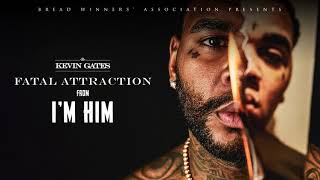
Watch the official Fatal Attraction
music video
The Main Story Running Through the Lyrics
At the heart of the song is a narrator who believes a woman is trying to secure his devotion through seduction, strategy, and emotional manipulation. The hook keeps returning to the line women are smart
, which is less a compliment than a cautious observation. In the song’s world, intelligence becomes tied to tactics.
The verses describe a push-pull relationship. Gates first sounds vulnerable. He says he was in a bad place before this person arrived, and that she brought balance. That matters because it shows why he was open to attachment in the first place. He was not only chasing pleasure. He was also looking for emotional steadiness.
But the mood shifts fast. What begins as comfort turns into distrust. He suggests she is trying to tryna trap him
, turning intimacy into leverage. In plain terms, he seems to fear that affection is being used as a weapon.
How the Chorus Sharpens the Theme
The chorus is simple, but it does a lot of work. It repeats the same scenario again and again, which makes the threat feel obsessive. The song keeps circling one idea: a person falls for someone, then wonders whether the whole thing was engineered.
Maybe underneath the full moon
night of passion
fall deeply in love
Those lines connect romance to ritual and illusion. The full moon image gives the relationship a mystical edge, while the idea of suddenly falling in love makes the attraction sound almost unnatural.
Interpretation: The chorus may not be claiming literal magic. More likely, it uses spell-like language to describe how powerful lust and emotional dependence can feel when someone loses perspective.
Vulnerability and Ego in the Same Breath
One reason the song feels tense is that Gates mixes honesty with bravado. He admits pain, neglect, and emotional need, but he also tries to regain control by sounding detached and dominant. That split is common in his music, where confession and self-protection often live side by side.
In one moment, he suggests the relationship helped him emotionally. In the next, he pulls back and acts unreachable. That shift matters to the meaning of Fatal Attraction Kevin Gates because it shows a person trying not to get played after already feeling exposed.
This is why the song does not read as a simple breakup track. It is more about the fear of losing power inside desire. The narrator wants connection, but they also want to avoid being owned by it.
Why the Sound Feels So Hypnotic
The production supports the theme well. The beat, credited to Take A Daytrip's Denzel Baptiste and David Biral, has a dark, looping quality that fits the song’s trapped feeling. Their broader production work is known for blending melody with punch and unease, and that same tension appears here.
The instrumental does not sound warm or romantic in a classic way. Instead, it feels murky and repetitive, almost like a thought pattern someone cannot escape. That matters because the lyrics are also repetitive by design. They keep replaying the same fear.
Gates’ vocal performance adds to that effect. He moves between calm reflection and hard-edged certainty, which makes the song feel unstable. The listener hears someone trying to convince himself that he understands the situation, even as the emotion underneath sounds unresolved.
Artist Context Helps Explain the Message
Kevin Gates often writes about relationships in blunt, conflicted terms. Across his catalog, they return to loyalty, betrayal, sex, survival, and emotional scars. That wider context makes “Fatal Attraction” feel consistent with his style: raw, suspicious, and deeply personal.
Factually, the song is credited to Kevin Jerome Gilyard, Denzel Baptiste, and David Biral. Those credits matter because the writing and production both push the same emotional idea: attraction can become a trap when trust is weak.
Two Strong Ways to Read the Song
Interpretation 1: The most direct reading is that the song is about toxic romance. In this view, Gates is describing a partner who uses intimacy to create dependence and gain control.
Interpretation 2: A second reading is that the song reveals the narrator’s own paranoia. The repeated suspicion may say as much about his fear of vulnerability as it does about the woman herself. In that sense, the “spell” could be his own inability to separate love from danger.
Both readings can exist together. The relationship may be manipulative, but the song also shows how wounded people can turn every deep feeling into a threat.
The Lasting Meaning of “Fatal Attraction”
In the end, the meaning of Fatal Attraction Kevin Gates is about how desire can blur into fear. The song treats love as intoxicating, but also as something that can take away freedom when trust disappears.
That is why the track lingers. It is not simply seductive or angry. It lives in the uneasy middle, where passion feels real, healing feels possible, and danger never fully leaves the room.
Disclaimer: This article offers an interpretation of the song based on its lyrics, performance, and available credits. Different listeners may hear its meaning differently.









