Why Kevin Gates' 'Get Up on My Level' Cuts Deep
Kevin Gates does not frame this song as a simple flex. The meaning of Get Up on My Level Kevin Gates is closer to a statement of survival. On the surface, they hear a boast-heavy rap record about status, money, and toughness. Under that surface, the song sounds like someone trying to protect themselves after betrayal, family hurt, and hard-earned success.
"Get Up on My Level" - Kevin Gates
Get up on my level
Get up on my level
Loading lyrics...
Unable to load lyrics
We're unable to display the lyrics at this time. Please try again later.
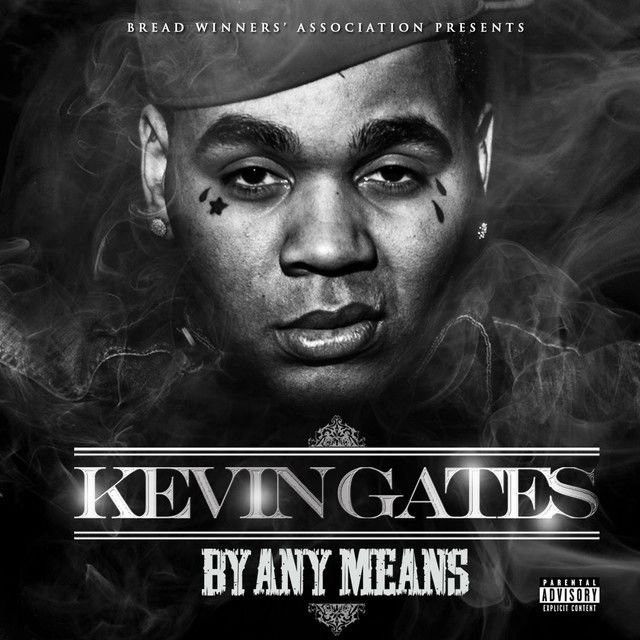
Released in 2014 during the rollout for the mixtape By Any Means, the track was described by Consequence as a “floating, gloating track.” That is accurate, but incomplete. Gates turns bragging into armor. Their repeated demand that others get up on my level
is not just ego. It is a challenge, a boundary, and a warning.
More Than a Flex Anthem
At its core, the song is about emotional distance. Gates keeps repeating that they can't see you
, which works in two ways. First, it means rivals and fake friends no longer matter. Second, it suggests someone choosing numbness because seeing too much has hurt them before.
That idea becomes clearer when the song moves from sexual swagger and street credibility into grief and distrust. They admit past pain, then quickly cover it with forceful language and material success. In plain terms, the song says: they made it through suffering, and now they refuse to be brought back down by people who were not there for the struggle.
Interpretation: the hook is not just about being better than others. It is about being unreachable after trauma.

Watch the official Get Up on My Level
music video
The Chorus as a Wall
The chorus is simple, repetitive, and effective. By hammering the same line again and again, Gates makes the song feel less like conversation and more like a mantra. They are not asking for respect. They are declaring a gap.
That is why the title phrase matters so much. When they say others need to rise to their level, they are talking about more than money or fame. The verses suggest a level built from pain tolerance, loyalty, and experience. People who boast about women or cash do not impress them because, as the song argues, those things are easy to fake.
The emotional turn comes when Gates pairs wealth with sadness. They mention designer shades, then connect them to hidden hurt. That image matters. Luxury becomes camouflage.
Love don't live here anymore
Karma comes right back around
These lines sharpen the song’s emotional center. The first suggests a heart closed off after damage. The second shifts from defense to judgment: people who caused harm will eventually face consequences.
Pain, Pride, and Baton Rouge Context
Kevin Gates built their early reputation on raw, confessional rap. In coverage around this era, critics often noted how personal the Baton Rouge artist could be even inside aggressive songs. That background helps explain why this track feels heavier than a standard victory lap.
The third verse is especially important because it ties the bravado to biography. Gates references prison, a missing father figure, regional loyalty, and the idea that they only told the truth. Those details make the song feel grounded in lived experience rather than pure performance.
There is also a local angle. Gates says they want Louisiana rappers to win, even while calling out fake behavior. That tension matters. They are not rejecting their scene. They are rejecting disloyalty within it.
Factual context: research sources identify the song as part of the 2014 By Any Means period, following a run of acclaimed mixtapes that helped expand Gates’ national profile. The song is credited to Kevin Gilyard.
The Images That Carry the Meaning
Several recurring images do most of the song’s emotional work:
- Blindness and sight: When Gates says they cannot see people, it signals dismissal, but also emotional shutdown.
- Shades and designer frames: Success is visible, but pain stays hidden.
- Public aggression and sex: These moments project control, even when the lyrics hint at inner chaos.
- Family absence: Their mention of not having a real father gives the song one of its deepest wounds.
- Karma: Hurt is not forgotten, even if direct revenge is postponed.
One clever thread is the Stevie Wonder reference. Gates compares struggle, music, and blindness through that name. It is a punchline on first listen, but it also reinforces the song’s main motif: vision is everywhere in this track, yet trust is gone.
How the Production Supports the Message
Musically, the record helps sell both confidence and detachment. The beat feels spacious and cold, matching the “floating” quality noted by Consequence. Instead of a crowded instrumental, the production leaves room for Gates’ voice to sit front and center.
That matters because their delivery keeps changing. At times they sound dismissive, almost bored by the people around them. At other moments, the voice tightens and grows more wounded. This contrast gives the song its charge. The listener hears someone who wants to seem untouchable, but keeps revealing bruises.
The repetition in the hook also works like self-hypnosis. Each return to get up on my level
sounds like a way of rebuilding confidence after every memory of betrayal.
The Strongest Reading of the Song
The best way to understand the meaning of Get Up on My Level Kevin Gates is as a mix of triumph and isolation. They are successful, but not at peace. They are proud, but still hurt. They are surrounded by attention, yet emotionally alone.
Interpretation: the song argues that “level” means hard-earned perspective. Anyone can chase status. Not everyone survives loss, prison, broken trust, family wounds, and public pressure without hardening.
That is why the song still hits. It offers rap bravado, but it also shows what bravado costs. Gates sounds like someone who climbed higher, then realized the altitude came with distance from nearly everyone else.
In the end, the track is less a celebration than a defense mechanism set to music. That reading is interpretive, not definitive, and listeners may hear different shades of meaning in the same words.








