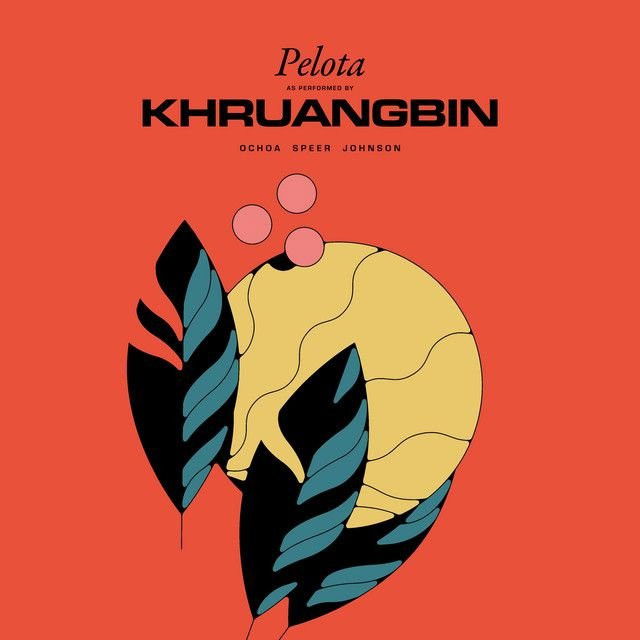
Pelota by Khruangbin
Why This Strange Little Song Feels So Human
The meaning of Pelota Khruangbin starts with a simple image: a ball. In Spanish, pelota means “ball,” and coverage around the single also noted that it can refer to a Basque sport. But in the song, the object quickly becomes a metaphor for identity, motion, and emotional survival.
"Pelota" - Khruangbin
Una pelota de hollín
Yo estaba perdida
Loading lyrics...
Unable to load lyrics
We're unable to display the lyrics at this time. Please try again later.
Released as the third single from Mordechai in June 2020, “Pelota” showed another side of the Houston trio Khruangbin. Reports at the time described it as more rhythmic and funk-driven than the album’s earlier singles, with handclaps, layered percussion, and a guitar-led pulse. The band also framed it in a playful, global way, calling themselves a brief, memorable phrase: a Texan band with a Thai name
singing in Spanish and loosely inspired by a Japanese film.
That mix of influences matters. “Pelota” is not trying to tell a neat story. It feels more like a shifting state of mind.

Watch the official Pelota
music video
At the Center, a Speaker Learns to Accept Themselves
On the surface, the lyrics move through surreal images. The speaker says they are una pelota de hollín
—a soot-covered ball—and recalls being lost inside a strange house. They also say they turned into a demon, mention a seed, and say family helped carry it.
Taken together, those lines suggest a person passing through confusion, shame, and transformation. The song does not present a clean self-image. Instead, it shows someone who feels dirty, lost, unstable, and yet still alive with potential.
The repeated hook gives that feeling shape. It centers on the phrase puedo ser una pelota
, which means they can be a ball, at least for now. In plain terms, the speaker seems to accept being an object in motion—something pushed, bounced, hit, or thrown by life.
Interpretation: This is less about becoming small than becoming flexible. A ball absorbs impact and keeps moving. In that sense, the hook sounds like a coping strategy.
The Chorus Turns Surrender Into Strength
The key word in the chorus is not just “ball.” It is “now.” The idea behind ahorita yo
is immediate and temporary. The speaker is not defining their whole life forever. They are saying this is what they can be right now.
That matters because the song’s verses are full of pressure and contradiction. The speaker wants purity, but they also admit they want to love their own mess. They want to dig for a path, enter it, and stop running from the ride they are on.
Yo quiero ser pura
Pero quiero amar el desastre
Those two short lines hold the emotional heart of the song. They show a person split between self-improvement and self-acceptance. They want to be clean, calm, and whole. At the same time, they know their chaos belongs to them.
That tension is what gives “Pelota” its depth. The song is not celebrating disorder for its own sake. It is saying growth may begin when someone stops rejecting the broken parts of themselves.
Images of Seeds, Houses, and Motion
Several symbols sharpen that message:
- The ball: a self that moves through pressure.
- Soot: emotional residue, guilt, or damage.
- The surreal house: a mind or inner world that feels unfamiliar.
- The seed: buried potential that needs care.
- Family help: support during recovery or becoming.
The seed image is especially important. Even in a song full of odd, dreamlike turns, a seed points to future life. That makes the earlier darkness feel less final.
Interpretation: They may be describing a personal rebirth. The self is not finished; it is still forming.
How the Sound Explains the Lyrics
Khruangbin’s music often blends global influences with tight groove-based playing, and “Pelota” is a strong example of that approach. Contemporary reviews described the track as rippling, percussive, and more funk-forward than some of the band’s hazier work. That style supports the lyric meaning.
The drums and handclaps create a physical sense of bounce, almost like the title made audible. The bass keeps the song grounded while the guitar circles around the beat instead of overpowering it. Nothing feels stiff. Everything seems to roll.
Laura Lee’s vocal delivery also helps. She does not oversing the words. The calm, steady tone makes the surreal lyrics feel intimate rather than theatrical. That contrast is effective: the images are strange, but the emotion is direct.
In other words, the production mirrors the central idea. Even when the mind is unsettled, the body can keep moving.
The Video Extends the Song’s Meaning
The animated video, directed by Hugo Rodríguez Rodríguez, pushes the ball image even further with floating figures and repeated spherical forms. Reports described suns, planets, and faces shifting through a surreal visual space.
That design gives the song a cosmic feel. The speaker is not only processing private emotion; they seem to be drifting through a larger world of borders, space, and change. A ball in that context becomes a symbol of both vulnerability and freedom.
A Few Strong Readings of “Pelota”
There is no single official explanation, but these readings fit the lyrics and sound:
- Self-acceptance after inner conflict. The strongest reading is that the speaker is learning to live with their flaws instead of hiding from them.
- Resilience under pressure. The ball image suggests being struck by life and still continuing forward.
- Transformation through support. The family and seed lines hint that healing does not happen alone.
What “Pelota” Finally Says
The meaning of Pelota Khruangbin lies in its mix of surreal writing and simple emotional truth. The song presents a person who feels dirty, divided, and lost, yet chooses not to run. They accept the strange shape of the moment and keep moving through it.
That is why “Pelota” connects. Beneath its playful title and elastic groove, it is a song about living inside one’s own mess without giving up on growth.
Disclaimer: This interpretation is based on the lyrics, available release context, and critical coverage. As with many Khruangbin songs, some meaning remains open to the listener.







