Why 'My Last Serenade' Hits So Hard
For many metalcore fans, the meaning of My Last Serenade Killswitch Engage comes down to one painful idea: caring about someone is not always enough to save the relationship. The song sounds huge and emotional, but under that power is a hard boundary. They are saying goodbye to someone who is trapped in their own destructive pattern.
"My Last Serenade" - Killswitch Engage
Tangled in a state of suffocation
Slave to self righteousness
Loading lyrics...
Unable to load lyrics
We're unable to display the lyrics at this time. Please try again later.
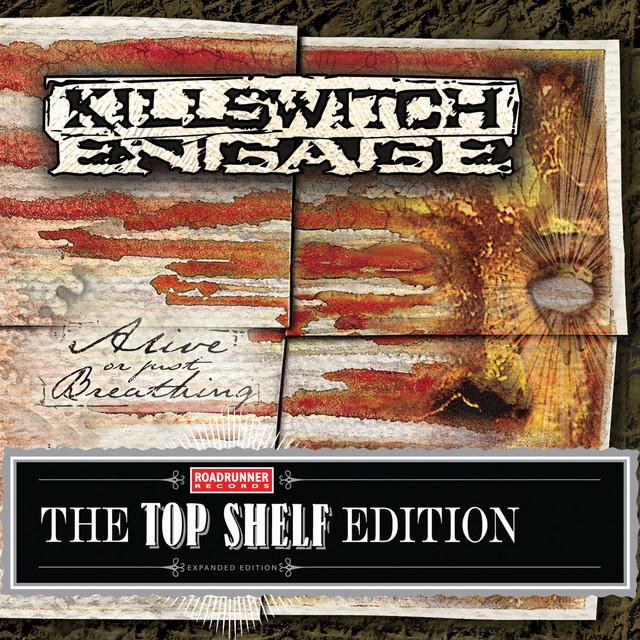
Killswitch Engage released the track on Alive or Just Breathing in 2002, and it became one of the songs that helped push the band into a wider spotlight, especially after its video got strong MTV Headbanger's Ball exposure, according to Songfacts (https://www.songfacts.com/facts/killswitch-engage/my-last-serenade). That matters because the song captures what made the band stand out: they were as interested in emotional truth as they were in heaviness.
A Farewell Song, Not a Soft One
On the surface, the title sounds gentle. A serenade suggests affection, maybe even romance. But this song twists that expectation. This is not a sweet love note. It is a final act of care delivered with frustration, sorrow, and resolve.
Jesse Leach explained the song had multiple meanings for him, but that it was mainly about “burning bridges” and leaving people behind when they start dragging someone down, as quoted by Songfacts (https://www.songfacts.com/facts/killswitch-engage/my-last-serenade). That comment gives the clearest factual anchor for the song's meaning.
So when they sing this is my last serenade
, the message is not “I never cared.” It is closer to: they cared deeply, but they have reached a limit. The goodbye is painful because the connection mattered.

Watch the official My Last Serenade
music video
The Song's Core Conflict Is Accountability
A big part of the lyric is about blame. The person being addressed seems trapped in denial, pride, and moral arrogance. The song points at self righteousness
as the real enemy. In other words, the problem is not just bad luck or outside pressure. It is an inner refusal to change.
That is why lines about choice matter so much. The song keeps circling back to consequences being on your head
. Paraphrased, they are telling this person that their path is still their own. They can keep sinking, or they can face themselves honestly.
Interpretation: This makes the song feel almost like an intervention. They are not simply insulting someone. They are warning them that no friend, partner, or loved one can do the inner work for them.
How the Chorus Turns Pain Into Distance
The chorus is what gives the song its emotional punch. When they say I feel you as you fall away
, they frame separation as something active and heartbreaking. The distance is happening in real time. They still feel the loss, even while accepting it.
Then comes the brutal truth: from yourself you can't run away
. That line is the song's center. It says the real battle is not with the speaker. It is with the self. Someone can dodge arguments, blame other people, and wreck relationships, but they still have to live with who they are.
That idea gives the chorus more depth than a simple breakup hook. It turns the song into a statement about identity, denial, and the moment when outside support stops being enough.
The Images Are Tight but Powerful
The lyrics do not use lots of complicated storytelling. Instead, they rely on compact images: revelation, suffocation, sorrow, serenity, damnation. Each one pushes the same theme from a different angle.
- Revelation suggests a hard truth finally becoming visible.
- Suffocation suggests emotional or spiritual collapse.
- Sorrow to serenity points toward peace, but only after honesty.
- Open up your heart suggests self-examination instead of blame.
There is one especially important contrast in the song's language. It moves from suffering toward possible peace, but it never promises easy rescue. Serenity is available only if the person stops hiding from themselves.
From sorrow to serenity
the truth is absolution
This short passage captures the song's tension well. Truth can heal, but only after pain is faced directly.
Why the Sound Makes the Message Bigger
The production and arrangement are a huge part of why the song lands so hard. According to Songfacts, Adam Dutkiewicz said he first built the song out of drum patterns and riffs before the band shaped it together, with Joel Stroetzel contributing the ending riff (https://www.songfacts.com/facts/killswitch-engage/my-last-serenade). That origin story fits the track's feel: it sounds constructed for impact, with motion pushing constantly forward.
The verses feel clenched and confrontational. The guitars grind, and the rhythm section gives the song a sense of pressure, almost like the “suffocation” named in the lyric. Then the chorus opens up melodically. That shift matters. It suggests that beneath the anger is grief.
This is classic Killswitch Engage: harshness and melody are not opposites. They work together. The screams carry urgency and warning, while the cleaner, more open chorus adds sorrow and human warmth. The result is a song that sounds like both a confrontation and a mourning process.
Two Strong Ways to Read It
There is a clear personal reading: they are walking away from a toxic relationship, friendship, or family bond. The finality in the title and chorus supports that.
Interpretation: There is also a broader moral reading. The song can be heard as addressing anyone trapped by pride, denial, or spiritual blindness. That makes it feel bigger than one breakup. It becomes a song about the point where love must make room for truth.
The Lasting Meaning
The meaning of My Last Serenade Killswitch Engage is powerful because it refuses easy comfort. They are not celebrating the breakup, and they are not pretending love failed to exist. Instead, they show how love can lead to separation when someone refuses to change.
That balance is why the song still connects. It is heavy, but it is also honest about the grief of letting go.
Disclaimer: This interpretation blends documented artist commentary with close lyric analysis. Meaning can remain open to listeners' own experiences.







