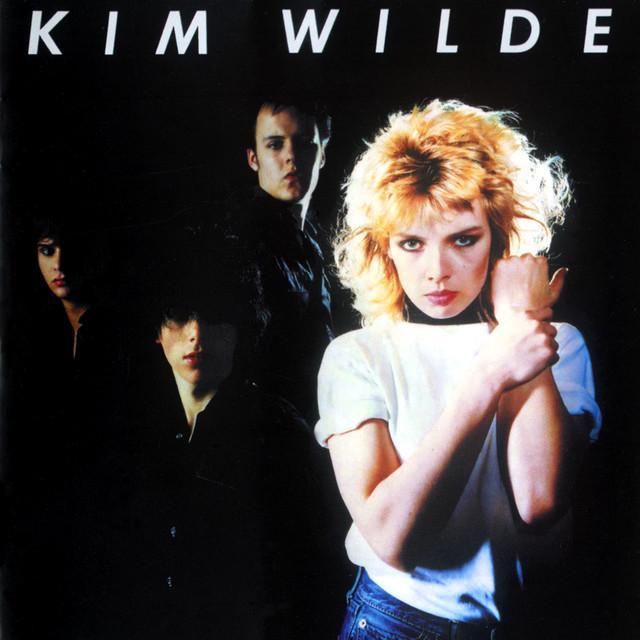
Chequered Love by Kim Wilde
The meaning of Chequered Love Kim Wilde comes down to one big tension: they are pulled toward a person who is exciting, difficult, and impossible to fully trust. The song turns romantic contradiction into pop energy. Instead of describing a calm bond, it shows a push-pull connection where affection and frustration live side by side.
"Chequered Love" - Kim Wilde
I say nothing can go right, yeah
Oh what a game you can play
Loading lyrics...
Unable to load lyrics
We're unable to display the lyrics at this time. Please try again later.
Released on 27 April 1981 as the second single from Kim Wilde’s self-titled debut, the track followed the breakout success of Kids in America. It was written by Marty Wilde and Ricky Wilde, and produced by Ricky Wilde. It reached No. 4 in the UK and became a major hit across Europe and beyond, including No. 1 in South Africa, which shows how strongly its emotional hook connected with listeners.
A Romance Built on Contradiction
At the center of the song is a speaker dealing with mixed signals. One person insists things are fine, while the other feels that nothing can go right
. That split creates the song’s emotional weather. They are not just arguing; they are living in two different versions of the same relationship.
The title is key. “Chequered” suggests a pattern of light and dark, good and bad, attraction and doubt. So this is not simple heartbreak. It is love that keeps changing shape. One moment feels thrilling, the next feels confusing.
That idea fits a note often attached to the song’s background: the lyrics were reportedly inspired by Kim Wilde’s parents, who were said to be very different people. If that context is taken seriously, the song is less about a doomed romance than about how opposites can lock together in messy but powerful ways.

Watch the official Chequered Love
music video
What the Verses Reveal About the Relationship
The opening lines set up a debate, almost like a recurring fight. One voice says all is well, but the speaker hears only tension and disorder. When the lyric mentions what a game you can play
, it frames the romance as strategic and unstable. Love feels less like safety and more like competition.
The next images deepen that mood. References to sad days
and confusion suggest emotional exhaustion. Still, the song never sounds defeated. That is important. The speaker sees the warning signs clearly, yet keeps moving closer.
Desire Wins Over Logic
The chorus makes that conflict plain. They admit the other person’s love is rough and the road is hard, but they still can't get enough
. That phrase matters because it shifts the song from complaint to confession. The problem is not only the partner’s behavior. The problem is also the speaker’s own hunger for the intensity.
Interpretation: this can be read as a song about emotional addiction. The relationship hurts, but the instability itself has become part of the attraction.
Why “Chequered” Is the Perfect Word
“Chequered love” is a compact metaphor. A checkerboard is made of alternating squares, and the relationship works the same way: affection then friction, closeness then doubt, certainty then confusion. The title tells listeners to expect contrast, not consistency.
It also gives the song a slightly detached edge. Instead of saying “broken love” or “bad love,” it uses a patterned word. That makes the relationship sound complicated rather than simply tragic. The speaker is aware of the chaos, but they are also fascinated by it.
How the Sound Turns Turmoil Into Pop Thrill
Part of the meaning of Chequered Love Kim Wilde comes from the production. Ricky Wilde gives the track a bright, hard-driving early-1980s pop-rock sound. The beat pushes forward, the guitars add bite, and the arrangement stays tight and punchy.
That matters because the music does not sink into sorrow. It moves with confidence. Kim Wilde’s vocal delivery is cool and urgent at once, which mirrors the lyric’s split feeling: emotional confusion delivered with determination.
This is why the song feels exciting even when the words describe strain. The production transforms relational conflict into momentum. Listeners do not just hear a troubled romance; they feel the rush of being inside one.
A Portrait of Opposites Attracting
Another useful reading is that the song is about incompatible personalities who still fit together. The line man for all seasons
makes the love interest seem adaptable, maybe even mysterious. But the following idea, that he has no clear reason for what he does, turns that flexibility into unpredictability.
Interpretation: the song may be less about one toxic partner and more about being drawn to someone they can never fully understand. That uncertainty creates both the spark and the suffering.
The repeated cry that they can't let go
confirms that this is not a passing crush. It is emotional dependence mixed with fascination. They know the relationship is uneven, yet that very unevenness keeps it alive.
Why the Song Still Connects
The track remains memorable because it captures a feeling many people know but few songs explain so clearly: the strange pull of a relationship that is both rewarding and draining. It avoids neat moral lessons. Instead, it shows how awareness does not always lead to escape.
That honesty likely helped the single travel so well commercially in 1981. Its chart success across multiple countries suggests that the theme of conflicted desire was easy to recognize, even when wrapped in sleek new-wave-era pop.
The Last Word on Its Meaning
So, what is the meaning of Chequered Love Kim Wilde? Most simply, it is about loving someone who brings equal parts pleasure and trouble. The song understands that opposites can attract, but it also shows the cost of that attraction.
Its genius is that it never separates desire from danger. It lets both exist in the same pattern, square by square.
Interpretation disclaimer: song meaning is not always fixed. This reading is based on the lyrics, the song’s production, and available background context, but listeners may hear different shades of meaning in it.