Why "Kids in America" Still Feels Electric
The meaning of Kids In America Kim Wilde comes from a smart tension at the heart of the song: it sounds like a pure youth anthem, but its verses are more uneasy than triumphant. Released in 1981 as Kim Wilde’s debut single, the track helped define early new wave and synth-pop while also capturing a very specific feeling of teenage restlessness. It was written by Marty Wilde and Ricky Wilde, with Ricky also producing it, making the hit a true family creation.
"Kids In America" - Kim Wilde
Down below the cars in the city go rushing by
I sit here alone and I wonder why
Loading lyrics...
Unable to load lyrics
We're unable to display the lyrics at this time. Please try again later.
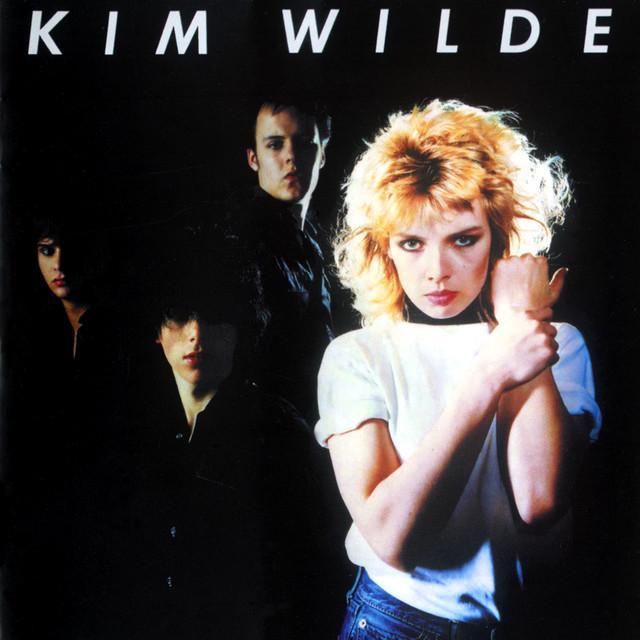
Factually, the song was recorded at RAK Studios in London and released first in the UK in January 1981 before reaching the U.S. in 1982. It later appeared on Kim Wilde and became an international breakthrough, reaching No. 2 in the UK and No. 25 on the U.S. Billboard Hot 100. Those details matter because the record arrived right as synth-pop was becoming the sound of a new decade.
A Youth Anthem With a Nervous Edge
On the surface, the chorus sounds collective and bold. When the song declares we're the kids in America
, it feels like a rallying cry. But the opening scenes are much smaller and lonelier.
The narrator starts by watching city life from above, stuck behind a pane of glass and wondering why they feel disconnected. That contrast matters. Before the song becomes communal, it begins in isolation.
Interpretation: the track is not just celebrating youth. It is showing how young people often move from boredom and alienation into music, nightlife, and group identity to feel less alone.

Watch the official Kids In America
music video
The Story Moves From Window to Dance Floor
The lyrics trace a simple but effective emotional arc:
- They begin with stillness and frustration.
- The city starts calling from below.
- Nightlife offers release and motion.
- The chorus turns private tension into public identity.
That is why short phrases like dirty old window
and search for the beat
are so important. The first suggests confinement and dull routine. The second shifts into action, as if music is the way out.
Even the setting feels split. There is urban heat and movement, but also emotional caution. The song does not imagine youth as innocent. It imagines it as exciting, seductive, and a little dangerous.
The American Dream, Seen From Britain
A key part of the meaning of Kids In America Kim Wilde is that it was written by British songwriters imagining American teen culture from afar. According to reporting on the song’s creation, Marty Wilde wrote the lyrics after seeing a TV program about American teenagers, and the image stayed with him. American Songwriter quoted him saying that what he saw both fascinated and alarmed him.
That background explains why the song feels both attracted to and suspicious of its subject. It is not journalism. It is pop mythology.
When the lyrics jump from New York to east California
, accuracy is not really the point. The phrase works like a postcard version of the United States: huge, glamorous, fast, and a bit unreal. The song turns America into a symbol of amplified youth culture.
What the Chorus Really Means
The chorus is catchy enough to sound simple, but it does two things at once. First, it creates belonging. Second, it turns that belonging into performance.
The line about the music-go-round
suggests a cycle: youth culture keeps spinning, everyone jumps on, and the music never fully stops. That image is fun, but it is also revealing. A merry-go-round goes in circles. It moves, but it does not necessarily progress.
Interpretation: the chorus may be saying that teenage life feels thrilling because it is repetitive—Friday nights, bright lights, loud songs, and the need to keep up. That makes the track more layered than a straightforward party song.
Outside a new day is dawningOutside suburbia's sprawling everywhere
This is the article’s one brief multi-line lyric quote because it captures the song’s wider lens. The night out is not just a personal escape. It is happening inside a changing social landscape, where suburban life spreads outward and youth identity becomes more shared, more commercial, and more restless.
The Sound Is the Message Too
Ricky Wilde’s production is a huge reason the song lasts. Reports on the recording note that he built the track around a Wasp synthesizer and drew inspiration from artists like Gary Numan and OMD. That mechanical pulse gives the song urgency from the first seconds.
The arrangement blends rock energy with synth-pop precision. The beat pushes forward, the keyboards flash like neon, and Kim Wilde’s vocal stays cool in the verses before opening up in the hook. That contrast is crucial.
Interpretation: the production makes youth feel modern but emotionally guarded. The sound is exciting, yet a little cold. That is exactly why the chorus hits so hard—it offers warmth and community after all that sleek tension.
Why It Endures
Part of the song’s staying power comes from its double vision. It understands why teenagers chase noise, motion, and belonging, but it never says that world is fully safe or satisfying. It gives them the thrill and the warning at once.
That balance helps explain its long afterlife in film, cover versions, and nostalgia playlists. It is more than an '80s hit. It is a snapshot of how youth can feel huge and uncertain at the same time.
Final Take on the Song’s Meaning
So what is the meaning of Kids In America Kim Wilde? At its core, the song is about young people chasing identity through music, nightlife, and shared energy while standing on shaky emotional ground. It celebrates the rush of being young, but it also hints that the rush exists because real life feels confusing, lonely, and hard.
That tension is what makes the song timeless. Interpretation disclaimer: this reading is an informed analysis based on the lyrics, production, and documented background, but songs can support more than one valid meaning.








