Why 'View From a Bridge' Still Hits Hard
Kim Wilde’s “View from a Bridge” is one of those pop songs that can sound sleek and catchy on first listen, then reveal something much darker once they follow the words. For anyone searching for the meaning of View From a Bridge Kim Wilde, the core idea is heartbreak pushed to an extreme: betrayal becomes emotional collapse, and the bridge becomes the place where inner pain turns into a terrifying image of escape.
"View From a Bridge" - Kim Wilde
View from a bridge, can't take anymore
View from a bridge, can't take anymore
Loading lyrics...
Unable to load lyrics
We're unable to display the lyrics at this time. Please try again later.
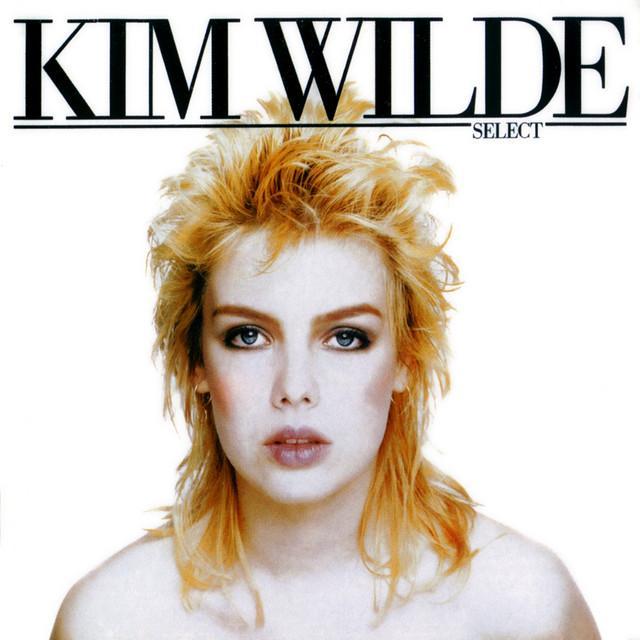
Released in 1982 as the second single from Wilde’s second album Select, the song was written by Marty Wilde and Ricky Wilde, and produced by Ricky Wilde. It was also a real international hit, reaching the top 10 in several countries, including Switzerland, Belgium, Sweden, and the Netherlands, according to chart summaries gathered at the song’s reference page on Wikipedia. That success matters because it shows how a very dark narrative was carried by bright, accessible new wave pop.
A Breakup Song With a Much Darker Edge
At the most basic level, the song tells a story of romantic betrayal. The narrator begins by looking back on a relationship that once felt dramatic and almost unreal, like a glossy fantasy. Then the fantasy breaks. They witness the person they love with someone else, and the emotional damage is immediate.
Short phrases like I saw you kissing her
and you crashed out all my dreams
make the betrayal feel direct and brutal. The song does not linger on detailed backstory. Instead, it moves quickly from discovery to shock, then from shock to mental disorientation.
Interpretation: What makes the song powerful is that it is not only about cheating. It is about humiliation, self-blame, and the sudden collapse of identity after trust is shattered.

Watch the official View From a Bridge
music video
Why the Bridge Matters So Much
The title image is the song’s key symbol. In the chorus, can’t take anymore
turns the bridge into more than a setting. It becomes the edge between life before betrayal and life after it.
A bridge usually connects two places. Here, it suggests a crossing point that has become dangerous rather than hopeful. The narrator is suspended between anger, grief, memory, and self-erasure. That is why the title feels so haunting: they are not just standing somewhere high up. They are seeing their life from a crisis point.
The Story’s Turning Point
The song’s final section makes the danger explicit. The narrator hears a voice telling them to jump, lets go, and then experiences a surreal, ghostly moment of seeing themselves below. The lyrics blur fact and hallucination, ending in confusion rather than closure.
But then a voice said jump
And I just let go
That tiny passage is enough to show the song’s most disturbing turn without needing long quotation. Interpretation: Whether listeners hear this as a literal suicide, a near-death vision, or a symbolic breakdown, the scene captures total emotional dissociation.
The Narrator’s Voice: Shock, Regret, and Self-Blame
The lyrics are written in first person, but the emotional effect reaches outward because the narrator keeps reliving the same moment. They do not just accuse the lover. They also criticize themselves for freezing up.
When they say they stood there like a fool and failed to react, the song adds another layer: regret. It is not only, “You hurt me.” It is also, “Why did I let this happen?” That self-directed anger deepens the tragedy.
This is one reason the meaning of View From a Bridge Kim Wilde feels larger than a simple revenge song. The narrator is trapped in the aftermath, unable to separate memory from nightmare.
Bright New Wave, Dark Subject
Musically, the song is famous for its contrast. Reference sources list it as new wave, and that fits: crisp drums, shimmering synth textures, and a fast, controlled pulse keep everything moving. On paper, the story is grim. In sound, the track remains polished and almost cool.
That contrast is the genius of the record. As one later critical summary quoted on the song’s Wikipedia page put it, it is a deceptively dark New Wave banger
. That description is brief but useful. The production does not soften the pain; it makes it eerier.
Interpretation: The beat can be heard as emotional numbness. The narrator is falling apart, but the arrangement stays composed, as if shock has frozen everything into place.
Kim Wilde’s Early-80s Context
“View from a Bridge” arrived during Kim Wilde’s strong early run after hits like “Kids in America” and “Cambodia.” On Select, she and her family’s writing-production team leaned into stylish pop that often carried uneasy themes beneath the surface. That context helps explain why this song feels so distinctive: it belongs to a period when Wilde’s records could be radio-friendly and unsettling at the same time.
The song’s chart success also suggests that audiences connected with that mix of polish and darkness. A story this bleak might have been too heavy in another style, but in Wilde’s hands it became immediate and memorable.
So What Does the Song Finally Mean?
The best way to read the song is as a portrait of emotional free fall after betrayal. It tracks a movement from fantasy, to discovery, to shock, to a vision of self-annihilation. The bridge symbolizes the exact point where pain becomes unbearable.
There is also a secondary reading worth noting. Interpretation: the final ghostly image may represent the death of the narrator’s old self rather than only a literal death. In that view, the song dramatizes how betrayal can make someone feel split in two.
Either way, its impact comes from the same place: it turns heartbreak into a vivid cinematic crisis.
Final Take
For listeners asking about the meaning of View From a Bridge Kim Wilde, the answer is that it is a dark betrayal song about reaching an emotional edge. Its brilliance lies in pairing a devastating story with sleek new wave energy.
Interpretations can vary, and that ambiguity is part of the song’s lasting power. This reading is an informed interpretation based on the lyrics, credits, and release context.








