Temple by Kings of Leon
Why This Love Song Feels a Little Dangerous
The meaning of Temple Kings of Leon centers on desire, insecurity, and devotion pushed to an extreme. On the surface, the song plays out in a nightlife setting, with a narrator watching someone across a dance floor and hoping to be chosen. But the chorus raises the stakes. When they say they would take a hit in the temple
for that person, the song turns from flirtation into a dramatic promise of sacrifice.
"Temple" - Kings of Leon
Can't make out what your saying
But you rub me the right way
Loading lyrics...
Unable to load lyrics
We're unable to display the lyrics at this time. Please try again later.
That does not mean the track has to be read literally. Interpretation: the image likely works as a blunt way to say, “They would risk pain, pride, or even self-destruction for this connection.” It is a love song, but not a calm one. It is about wanting somebody so badly that reason starts to blur.

Watch the official Temple
music video
The Scene: Noise, Distance, and Mixed Signals
The verses place the listener in a crowded, confusing room. The dance floor is described as a kind of seduction machine, and the narrator cannot fully hear or read the other person. That matters because the song is built on uncertainty. Even when attraction is strong, communication is weak.
Short details sharpen that feeling. A phrase like hands in my pockets
suggests restraint, awkwardness, or trying to look casual. Right after that comes crossing my fingers
, which shows hope mixed with fear. They want something to happen, but they do not control it.
Another revealing line is child-like persuasion
. That phrase gives the other person a playful power. They do not need to force anything; their charm alone pulls the narrator in. At the same time, it hints at emotional imbalance. One person is magnetized, while the other seems freer, lighter, and less invested.
What the Chorus Really Means
The hook is the key to the whole song. Repeating the promise to take one for you
makes the song sound loyal, almost heroic. But because the image is so violent, it also sounds unstable. That tension is what makes the chorus memorable.
Interpretation: the chorus is not just saying “they love this person.” It says they are ready to suffer for attention, approval, or closeness. That reading fits the later admission, I just want to be noticed
. Suddenly, the sacrifice in the chorus looks less noble and more desperate.
That is one of the smartest things about “Temple.” The band frames devotion and need as nearly the same emotion. The narrator may believe they are offering true loyalty, but the song also lets listeners hear loneliness underneath it.
A Character Who Feels Small in the Room
The narrator does not come off as confident. They call themselves simple and slow, almost like a person who expects to be overlooked. Then the song adds jealousy: the other person’s eyes drift to other boys, and the narrator dismisses them as people who don't matter
. That sounds defensive.
In story terms, the song moves like this:
- They notice someone magnetic in a crowded room.
- They feel drawn in, but also unsure of themselves.
- They watch that person glance elsewhere.
- Their desire hardens into an extreme vow.
- The deeper truth appears: they want recognition.
That final turn gives the song emotional bite. This is not only about romance. It is about being seen.
How Kings of Leon’s Sound Supports the Lyrics
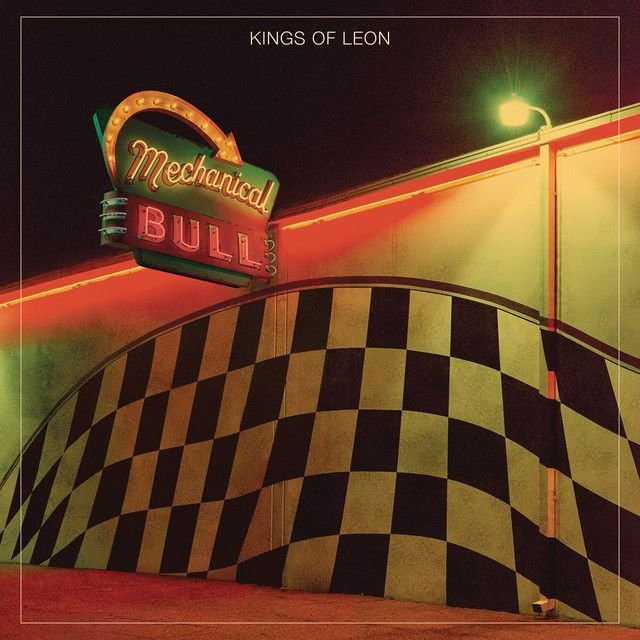
“Temple” appeared on Mechanical Bull and was released as the third single in 2013, with songwriting credited to Caleb, Nathan, Jared, and Matthew Followill, and production by Angelo Petraglia with the band, as noted by Wikipedia. Musically, it balances polish with nerves.
The guitars have a bright, chiming quality that keeps the song moving, while the rhythm section gives it a steady pulse fit for radio. Caleb Followill’s vocal delivery is especially important. He sounds urgent without going fully out of control, which mirrors the lyric’s emotional state: trying to stay cool while clearly not feeling cool.
Songfacts reports that Caleb said in a brief Billboard interview the song felt like a '90s track to him, and that parts changed in the studio. That comment helps explain the song’s appeal. It has a slightly throwback alt-rock shape, but its emotional message is immediate: longing, nerves, and a need to matter.
Nathan Followill also noted that the breakdown nodded to Thin Lizzy, according to Songfacts. That little classic-rock trace gives “Temple” a swagger the narrator does not fully possess. In other words, the band sounds bolder than the character, and that contrast deepens the song.
Two Strong Readings of “Temple”
Reading One: A reckless love song
The simplest reading is that the song is about intense attraction. They meet someone captivating, feel outmatched, and respond with a huge vow of loyalty. In this view, the track is about the dramatic thoughts people have when desire hits hard.
Reading Two: A song about validation
Interpretation: another reading is that romance is only half the story. The repeated wish to be noticed suggests the narrator is chasing proof of worth. The other person becomes a symbol of acceptance. If that person chooses them, they feel real.
Both readings work, and the song gains power from keeping them close together.
Why “Temple” Still Connects
“Temple” lasts because it captures a familiar emotional contradiction. People often want love and recognition at the same time, and sometimes they cannot tell which one they are really chasing. Kings of Leon package that feeling inside a catchy rock song, so the vulnerability sneaks up on the listener.
For anyone searching for the meaning of Temple Kings of Leon, the clearest answer is this: it is a song about craving someone’s attention so intensely that devotion starts to sound like self-endangerment. The dance floor setting, the jealous glances, and the repeated plea to be seen all point there.
That mix of swagger and insecurity is what gives the song its pulse.
Disclaimer: Song meanings are interpretive, and this reading combines lyrical analysis with available artist and release context rather than claiming one final, official meaning.








