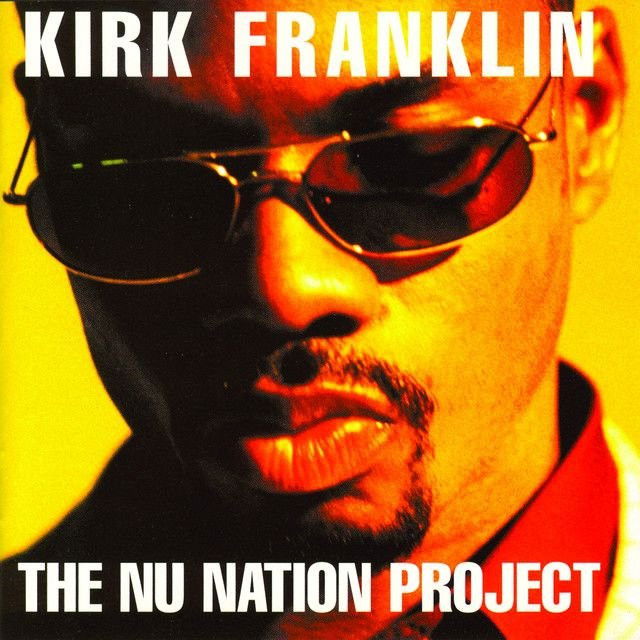
Hold Me Now by Kirk Franklin
Why This Gospel Song Still Reaches Hurting People
The meaning of Hold Me Now Kirk Franklin centers on a simple but heavy question: what happens when a person feels ashamed, lonely, and worn out, but still hopes God will not turn away?
"Hold Me Now" - Kirk Franklin
The leaves have all turned brown.
The children are all grown up and there's no one around.
Loading lyrics...
Unable to load lyrics
We're unable to display the lyrics at this time. Please try again later.
Kirk Franklin answers that question with a song that feels like a prayer. It begins in sadness, moves through confession, and ends in comfort. Rather than pretending faith removes pain, the song admits fear first. That honesty is a big reason it has lasted.
Franklin has long been one of gospel music’s most important modern voices, blending choir tradition, R&B feeling, and direct speech about real struggle. In his broader career, recognized by the Gospel Music Association, they have often written songs that speak to church listeners and people outside church walls too. “Hold Me Now” fits that pattern.

Watch the official Hold Me Now
music video
A Prayer From Guilt to Grace
At its core, the song is about asking God for closeness after failure. The speaker looks back at life, sees damage, and feels overwhelmed. Early images of seasons changing and children growing up suggest time has passed, innocence is gone, and the world feels empty.
When the singer says afraid afraid
, the repetition matters. It shows fear that is not neat or controlled. This is not a polished religious statement. It is a person cracking open.
The next idea is spiritual hope mixed with uncertainty. The speaker has heard that God forgives and heals deep inner wounds, but they are still not fully sure they deserve that mercy. That is why the title question hits so hard: Can You hold me now?
It is less a demand than a trembling request.
How the Verses Build the Song’s Main Theme
The first verse: loss and self-examination
The opening verse paints a life in late reflection. Spring is gone, leaves are brown, and the house feels empty. Those details are not just scenery. They reflect emotional winter.
Interpretation: the song uses aging and seasonal change to show spiritual exhaustion. The speaker is not only sad about one event. They are carrying years of regret.
The middle section: God versus human approval
One of the song’s strongest ideas is the contrast between divine love and human inconsistency. People can be warm one day and cold the next. By contrast, God is described as patient, understanding, and steady.
When Franklin includes the thought You're not like man
, they draw a sharp line between earthly rejection and heavenly acceptance. The song suggests that human relationships often deepen shame, while God makes healing possible.
The final section: private pain becomes public comfort
Late in the song, the voice widens. It stops speaking only for one person and reaches out to every broken person
. That shift matters because it turns testimony into ministry.
The message becomes: this pain is personal, but it is not unique. Others cry at night too. Others feel their joy has disappeared. The song tells them they are still seen.
The Chorus Is the Emotional Center
The repeated hook is the heart of the track. In plain language, the singer does not ask first for answers, success, or escape. They ask to be held.
That choice is important. To be held means to be accepted before being fixed. It means comfort before explanation. In gospel terms, the song imagines grace as closeness.
God can, and He will
hold you now
Those lines arrive like an answer to the earlier doubt. What begins as a question becomes assurance. The song’s structure itself tells the story of faith: fear speaks first, then trust grows stronger.
How the Sound Carries the Meaning
The production helps sell the emotional arc. “Hold Me Now” leans on soft gospel-pop arrangement rather than explosive choir drama. That matters because the song is intimate. It sounds built for confession.
The piano and gentle harmonic support give the early sections room to breathe. Franklin’s delivery also feels conversational, almost fragile at points. They do not rush the words, which lets the regret and pleading sink in.
As the song moves forward, the repeated vocal lines and layered backing voices create a sense of being surrounded. That sonic shift mirrors the lyrical message. The singer starts alone, then gradually sounds less alone.
This approach matches Franklin’s wider style, heard across the album The Rebirth of Kirk Franklin, where modern gospel is used to carry testimony in direct language. Here, restraint is the key production choice. The song does not need huge rhythm changes to make its point; it relies on emotional build.
A Clear but Flexible Interpretation
The most direct reading is straightforward: this is a gospel song about repentance and God’s compassion for the ashamed.
Interpretation: there is also a mental and emotional health angle. Even listeners who do not hear it as strictly religious may connect to its picture of isolation, self-blame, and the need for safe love. The title question works on both levels. It can sound like a prayer to God, but also like the universal wish to be comforted when life feels too heavy.
That dual power helps explain the song’s reception. It speaks church language, but it also speaks the language of human need.
Why “Hold Me Now” Endures
The meaning of Hold Me Now Kirk Franklin lasts because the song refuses easy confidence. It begins with a person who feels stained, uncertain, and tired. Then it slowly offers a better truth: they are not beyond mercy.
For many listeners, that is the song’s deepest gift. It says faith is not only for strong people. It is also for people who cry in the dark, look back with regret, and still dare to ask for love.
In that sense, “Hold Me Now” is less about perfect belief than desperate trust. And that may be why it still comforts people years later.
Disclaimer: This interpretation is based on the lyrics, performance, and available artist context. As with any song, listeners may hear meanings that differ from this reading.








