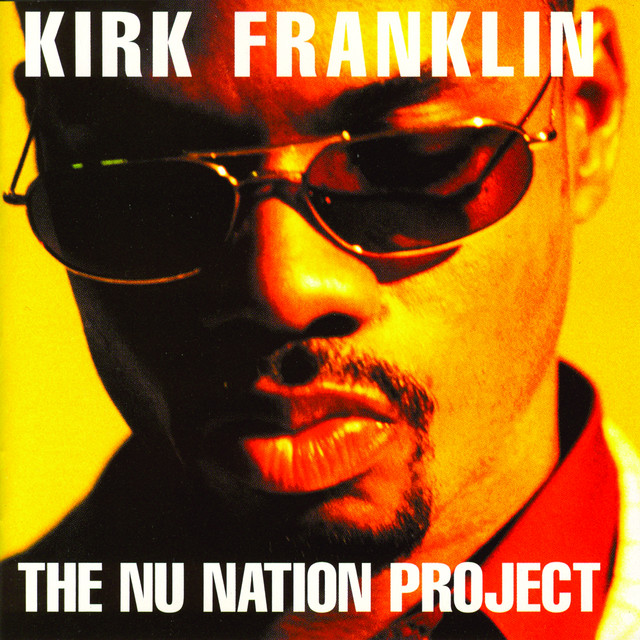
Why Kirk Franklin’s Praise Anthem Still Hits
The meaning of Something About the Name Jesus Kirk Franklin starts with a simple idea: this is a song about the felt power of faith, not just the statement of it. Rather than argue doctrine, the song testifies. It says there is deep comfort, joy, and force in calling on Jesus, and it presents that belief in the language of church praise.
"Something About the Name Jesus" - Kirk Franklin
Young people, there's nothing wrong with dancing for Jesus
But we can't forget where we come from
Loading lyrics...
Unable to load lyrics
We're unable to display the lyrics at this time. Please try again later.
Kirk Franklin is one of gospel’s most important modern figures, known for blending choir tradition with contemporary rhythm and spoken energy. That larger career context matters here. They often build songs that feel like a live service, where teaching, testimony, and celebration happen at once.
More Than a Chorus, It’s a Testimony
At the center of the song is the repeated claim that there is something about the name Jesus
. That phrase is intentionally broad. It does not define the mystery in technical terms; instead, it leaves room for emotion, memory, worship, and personal experience.
When the song calls it the sweetest name
, it frames Jesus’ name as a source of tenderness, not only authority. This matters because the lyric balances power with intimacy. The name is presented as holy and mighty, but also comforting and beloved.
Interpretation: The song’s message works because it turns a church truth into a lived feeling. They are not just saying believers should honor the name; they are saying the name has become part of how they survive, rejoice, and feel spiritually alive.

Watch the official Something About the Name Jesus
music video
The Opening Sets the Whole Theme
Before the main refrain, Franklin gives a spoken setup about young people, dancing, and not forgetting where they come from. That opening is crucial to the meaning. It places the song inside a conversation that shaped much of modern gospel: how to welcome new styles without losing the church’s roots.
In plain terms, Franklin suggests that joyful movement and old-school worship do not have to compete. The phrase about having a little church right now
signals a reset. The song is ready to move from performance into praise.
That opening also explains why the track feels communal. It is not written like a private diary entry. Even when the lyric says I can’t explain
, the emotion is shared with the room. The solo voice and the gathered church become one testimony.
How the Verses Describe Spiritual Experience
The verses do not tell a detailed story with characters and scenes. Instead, they stack up sensations. The singer says some people may think they are unreasonable, but that outside judgment cannot cancel what they feel when calling on Jesus.
One of the strongest images is spiritual heat and energy. The lyric compares that experience to fire rising through the body. Another key image is motion: the Holy Ghost is described as moving and refusing to leave them alone. These ideas turn faith into something active and physical.
There’s power in that name
Can’t nobody do what He does
That brief ending sums up the whole song. It moves from feeling to declaration. The earlier sections describe what worship feels like; the close states why that feeling matters.
Symbols of Sweetness, Fire, and Surrender
Several motifs carry the song’s meaning:
- Sweetness: calling the name pleasant and precious
- Fire: showing spiritual intensity and inner transformation
- Movement: signaling the Holy Spirit’s active presence
- Bowing: expressing reverence and ultimate authority
- Healing and salvation: naming practical hope, not abstract belief
When the lyric says Jesus is sweeter than honey, it uses a classic biblical-style image. Sweetness suggests satisfaction, nourishment, and delight. Faith here is not pictured as dry duty. It is something believers want, crave, and return to.
The line about every knee bowing points toward Christian teaching about Jesus’ authority. In the song, though, that truth is not handled like a lecture. It becomes a reason to praise now rather than later.
Why the Sound Matters So Much
The production is a huge part of the song’s meaning. Franklin’s gospel style often relies on choir response, repeated hooks, layered vocals, and gradual dynamic lift. Even without a complex lyric structure, those tools create emotional momentum.
Here, repetition is not filler. It mimics worship practice. In church music, repeating a line can deepen feeling, invite participation, and let a congregation move from listening to believing together. That is exactly what happens with oh, how I love
and the recurring title phrase.
The call-and-response arrangement also matters. It makes the song feel embodied and public. They are not just hearing one person sing about faith; they hear a community answer back. That musical choice supports the song’s deepest point: the name of Jesus is meaningful in both personal devotion and shared worship.
Why the Song Endures
Part of the meaning of Something About the Name Jesus Kirk Franklin is its simplicity. It does not depend on a complicated metaphor or a plot twist. Its force comes from conviction, church atmosphere, and emotional clarity.
Interpretation: Different listeners may hear different shades of meaning. Some will hear a song about comfort during struggle. Others will hear a praise anthem about divine authority. Still others may hear a statement about keeping gospel rooted in church tradition even while modern sounds evolve.
All of those readings fit the song’s design. It is both personal and communal, both gentle and strong.
The Last Word on Its Meaning
In the end, this song says the name of Jesus carries love, power, memory, and hope for those who believe. Franklin delivers that idea through testimony, repetition, and a worship setting that feels alive rather than formal.
That is why the song still resonates: it does not just describe faith. It tries to make listeners feel it.
Disclaimer: This article offers an interpretation of the song based on its lyrics, performance style, and gospel context. Meaning can vary by listener and faith background.







