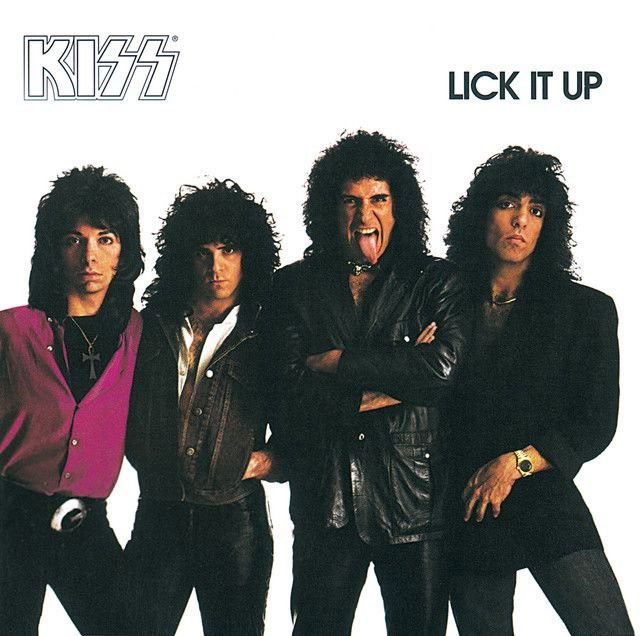
Why 'Lick It Up' Became KISS's Unmasked Anthem
The meaning of Lick It Up KISS starts with a simple idea: they are selling the thrill of now. On the surface, the song is a loud, playful party anthem. Under that surface, it mixes two messages that KISS often used well—self-indulgence and sexual suggestion.
"Lick It Up" - KISS
Let's just be glad for the time together
Life's such a treat and it's time you taste it
Loading lyrics...
Unable to load lyrics
We're unable to display the lyrics at this time. Please try again later.
Released as the title track from Lick It Up in 1983, the song mattered beyond its lyrics. It arrived during the band’s famous no-makeup relaunch, and its MTV video was the first to show KISS bare-faced, turning the single into a statement of reinvention as well as a hit push. That context shapes how listeners hear it: not just as a seduction song, but as a declaration that KISS were still alive, hungry, and ready to grab attention.
The Core Message Hiding in Plain Sight
At heart, the song argues that pleasure should not be delayed. The verses tell the listener not to wait, not to overthink, and not to miss out on what life offers in the present. When they sing phrases like time together
and good to yourself
, they frame enjoyment as something almost responsible rather than shameful.
That is why the song feels bigger than a one-note joke. Yes, the title and chorus are loaded with innuendo. But the lines around them also push a broader idea: life is short, fun matters, and hesitation is its own kind of loss.
Interpretation: Many listeners read the song in two layers at once:
- a sexual come-on
- a general call to seize the day
Both readings fit the wording. The lyric keeps things broad enough for the song to work as a party slogan, even while the hook keeps pointing back to body-centered pleasure.
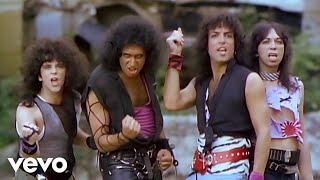
Watch the official Lick It Up
music video
Seduction, Sales Pitch, and Point of View
The song’s speaker sounds confident, direct, and a little pushy in a classic hard-rock way. They are talking to someone they want to persuade, and nearly every line is built like an argument against waiting. A phrase such as know me better
suggests intimacy is less important than chemistry in the moment.
Then the song widens that invitation. Instead of asking for permission, it says there is no need for one. With on vacation
, the lyric imagines life as a temporary escape where rules loosen and pleasure becomes the goal.
That makes the song feel like a sales pitch. The speaker offers urgency, sweetness, and freedom, all at once. They are not describing deep romance. They are trying to make impulse sound wise.
It ain't a crime
to be good to yourself
Those two short lines are central to the song’s logic. They recast desire as self-care, which is part of why the lyric remains catchy: it turns indulgence into permission.
Why the Chorus Hits So Hard
The chorus is blunt, repetitive, and impossible to misunderstand. By repeating it's only right now
, the song narrows life down to a single window of opportunity. That phrase gives the hook its real meaning. The title is not just about taste or touch; it is about immediacy.
In other words, the chorus does two jobs:
- It delivers the song’s sexual charge.
- It keeps insisting that the present moment is all anyone truly has.
That second idea is what gives the song staying power. Without it, the track would just be a crude slogan. With it, the chorus becomes a philosophy of appetite.
The 1983 KISS Context Changes the Meaning
Facts matter here. According to widely cited release information, “Lick It Up” was released on September 18, 1983, as the lead single and title track from the album Lick It Up. It was written by Paul Stanley and Vinnie Vincent, and produced by Michael James Jackson, Paul Stanley, and Gene Simmons. It also became the first KISS video to present the band without makeup, a major MTV-era event.
That historical moment adds another layer to the meaning of Lick It Up KISS. The band themselves were saying: don’t dwell on the past, don’t wait for old myths, take the new version now. The song’s message of immediate gratification matched KISS’s career move perfectly.
Commercially, the song reached the Billboard Hot 100 and became one of the band’s most durable live tracks. Research cited in current reference material notes that KISS have performed it more than 1,500 times, which shows how central it remains to their catalog.
How the Sound Sells the Idea
The production makes the lyric feel physical. The riff is thick and simple, the beat is steady, and the chorus lands like a chant rather than a confession. Nothing about the arrangement invites reflection. Everything pushes motion.
That is important. The music does not argue for pleasure in a subtle way; it embodies it. The groove has a stomping, almost teasing pulse, while Paul Stanley’s vocal leans into swagger instead of tenderness. Vinnie Vincent’s guitar sharpens the edges, giving the song a sleazy flash that suits the lyric’s innuendo.
A contemporary Cash Box review described the song as built on strong vocals over a “slowly throbbing” rhythm, which is a fair summary of how the track turns desire into sound.
A Simple Song With More Than One Reading
Some listeners hear only the obvious sexual meaning, and there is plenty of evidence for that reading. Others hear a broader hedonistic theme: enjoy life, stop waiting, and take happiness where they can find it. The song supports both.
Interpretation: The reason it lasts is not lyrical complexity. It lasts because KISS package a very basic message in a huge hook and tie it to a major turning point in their image. The result is a song about appetite that also became a song about survival.
Final Take on the Meaning
So, what is the meaning of Lick It Up KISS? Most clearly, it is a celebration of instant pleasure, wrapped in sexual innuendo and hard-rock confidence. But in the context of 1983 KISS, it is also a reinvention anthem—loud, shameless, and determined to live in the present.
That mix of lust, freedom, and career reset is why the song still lands.
Disclaimer: This interpretation blends lyrical analysis with historical context. Like most pop and rock songs, “Lick It Up” can support more than one reasonable reading.









