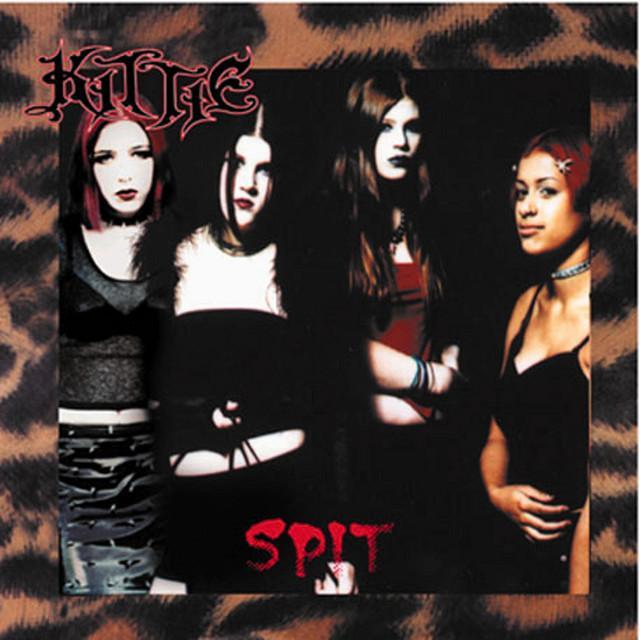
Spit by Kittie
Kittie’s “Spit” does not hide what it feels. The song is blunt, ugly on purpose, and aimed like a weapon. For many listeners, the meaning of Spit Kittie comes down to one clear idea: turning rage over sexism and violation into open defiance.
"Spit" - Kittie
Spit
I think I'll spit
Loading lyrics...
Unable to load lyrics
We're unable to display the lyrics at this time. Please try again later.
Released on the band’s debut album Spit in 1999, the track helped define Kittie’s place in late-1990s heavy music. They were young, loud, and impossible to ignore. That context matters, because the song’s voice is not abstract. It sounds like a direct answer to treatment they and many women knew too well.
The Song’s Core Message Is Rejection
At the center of “Spit” is a speaker who has moved past patience. They are not asking to be heard politely. They are forcing the issue.
Early on, the repeated image of spit
works as a symbol of disgust. It is not just anger for anger’s sake. It suggests contempt for people who exploit others, especially men who assume power, access, or control. When the song attacks a coward
, it frames the target as weak, not dominant. That flips the usual power dynamic.
Interpretation: The song can be heard as a response to harassment, objectification, or emotional predation. Its language is fierce because the speaker feels cornered, judged, and reduced. Rather than absorb that treatment, they throw it back.
Watch the official Spit
music video
Who the Speaker Is Fighting
The lyrics move between a personal enemy and a wider social problem. One section sounds like a direct confrontation with one person who hides, lurks, and harms from the shadows. Another widens the lens and addresses men as a group.
That shift is important. It suggests the song is not only about one bad encounter. It is also about a pattern. The repeated complaint about getting mistreated all the time
gives the track its social bite. This is not a single insult. It is accumulated experience.
The most quoted lines make that point in the plainest way:
Why do I get shit all the time
From you men
You are swine
Those words are simple, but that simplicity is the point. They strip away metaphor and say the grievance outright.
How the Lyrics Build Their Anger
The song’s writing is direct, but it still has a clear structure. It begins with revulsion, then moves into threat, then into accusation.
First, the speaker says they will take hate and return it. That idea turns pain into action. The phrase take this hate
shows they know what has been handed to them, and they refuse to carry it quietly.
Second, the song uses violent imagery like blood and death. These are not careful diary details. They are extreme emotional pictures. In plain terms, the speaker feels so enraged that ordinary language no longer seems strong enough.
Interpretation: This does not have to be read as literal violence. In heavy music, violent images often dramatize emotional truth. Here, they underline betrayal, violation, and a desire to destroy someone’s hold over the speaker.
The Gender Politics at the Center
One reason “Spit” lasted is that its target feels specific. The song openly condemns men who believe sexual power gives them the answer to everything. The line about thinking dick is the answer
is crude, but it is also precise. It attacks entitlement.
That phrase pushes against a mindset: the belief that dominance, sex, or masculinity automatically settles conflict. Kittie reject that logic completely. Instead of presenting male aggression as powerful, the song presents it as pathetic and gross.
For a band of young women in a scene often dominated by men, that mattered. Kittie’s rise drew both praise and dismissive coverage, which makes “Spit” feel even more pointed in retrospect. Their AllMusic profile notes how they emerged during the nu metal boom while standing apart through their lineup and perspective.
Why the Sound Hits So Hard
The meaning of “Spit” is not just in the words. It lives in the sound. The guitars grind instead of glide. The drums hit with a stiff, punishing force. The vocals swing between shouted accusation and raw scream, making the emotion feel immediate instead of polished.
That production style supports the lyrics perfectly. There is very little softness to hide behind. The riffs feel repetitive in a deliberate way, almost like being trapped inside the same insult over and over. When the chorus lands, it does not sound freeing. It sounds like pressure exploding.
This matters because the song is about endurance as much as rage. The listener hears someone who has been pushed until restraint no longer feels honest.
More Than Shock Value
It would be easy to reduce “Spit” to provocation. The language is offensive, the imagery is extreme, and the message is not subtle. But that would miss why the song connected.
Its force comes from recognition. Many listeners heard in it a version of anger that is usually mocked, minimized, or called excessive. Kittie gave that anger shape. They made it loud enough that it could not be brushed aside.
Interpretation: The song can also be read as a broader anti-abuse statement. Even if a listener does not focus only on gender, the track still works as a refusal to be controlled by humiliation or betrayal.
Why “Spit” Still Matters
More than two decades later, “Spit” still feels confrontational because the problems it names have not disappeared. The song remains compelling not because it is elegant, but because it is so unfiltered.
The meaning of Spit Kittie lies in that refusal. They turn contempt into resistance, disgust into voice, and pain into something public and impossible to ignore.
Disclaimer: This interpretation is based on the lyrics, performance, and available context. As with most songs, listeners may hear different meanings in “Spit.”







