What I Always Wanted by Kittie
The wish that turns into pressure
The meaning of What I Always Wanted Kittie comes down to a hard truth: getting the dream is not the end of struggle. Sometimes it starts a new kind of fear.
"What I Always Wanted" - Kittie
Savor this
(don't get lost in the lie)
Loading lyrics...
Unable to load lyrics
We're unable to display the lyrics at this time. Please try again later.
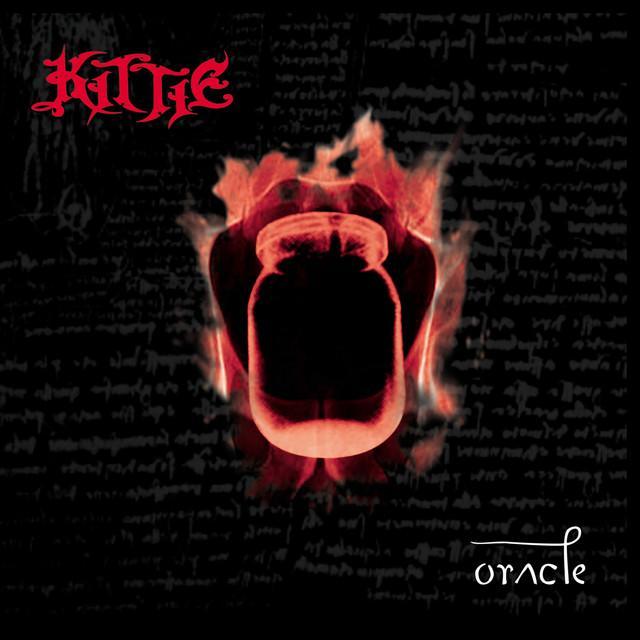
Kittie released the song as the lead single from Oracle in 2001, after the breakout success of their debut Spit. In a brief Songfacts interview, Morgan Lander explained that the song came from the pressure of following a first album that changed everything. That context matters because the lyrics sound less like celebration and more like a person realizing success has demands attached to it.
Instead of saying fame is fun or awful in simple terms, the song stays inside confusion. It captures the moment when someone thinks they found the thing they chased, then wonders if it was worth the cost.

Watch the official What I Always Wanted
music video
A chorus built on doubt, not triumph
At the center of the song is the repeated line about having found, and then having gotten, what was desired. The key phrase I thought I found
changes the mood right away. That wording suggests uncertainty. It is not a victory speech. It is a second guess.
Later, the refrain becomes even sharper with I got what I always wanted
. In plain language, the narrator seems to say: yes, the goal arrived, but it did not bring peace. The song turns the old fantasy of “making it” into something tense and unstable.
Interpretation: This makes the chorus feel almost ironic. The title sounds ambitious, but the delivery suggests regret, shock, or at least disillusionment. They are not singing about a dream fulfilled in a happy way. They are measuring the emotional weight of finally reaching it.
The verses show a mind trying to stay steady
The verses are fragmented, but they are not random. They read like thoughts flashing by during stress. Phrases like Beside myself with doubt
and one foot at a time
suggest someone trying to move forward carefully while feeling overwhelmed.
That tension is important. One side of the song wants focus and progress. Another side is full of hesitation. The line certainty is not at hand
makes that conflict plain. The speaker cannot fully trust what is happening or what comes next.
There is also a relationship angle in You talk not listen
. That could point to industry voices, critics, business pressure, or even a personal connection where the speaker feels unheard. On Oracle, Kittie often wrote about human relationships and learning from mistakes, so this line fits both a personal and professional reading.
A short map of the song's emotional movement
- They begin with commands and fragments, sounding tense and alert.
- Doubt enters quickly, and forward motion becomes effort.
- The chorus introduces the dream, but in uncertain terms.
- The final repetition sounds more trapped than satisfied.
Symbols of blur, damage, and false clarity
The imagery in the song is brief but effective. Smear those lines
suggests boundaries getting blurred. That can mean the line between desire and damage, self-belief and pressure, or truth and the “lie” mentioned near the start.
There is also a visual harshness in the song. Words like charcoal, staring, shut eyes, and smearing create a dark, rubbed-out feeling. Nothing looks clean or resolved. Even “bliss” appears next to stress, which makes pleasure feel temporary or unreliable.
Bare with me
certainty is not at hand
That small moment sums up the song well. It asks for patience while admitting confusion. The speaker is not pretending to be strong every second. They are trying to hold together under pressure.
Why the band's history deepens the meaning
The song lands harder when heard in the context of Kittie's career. Their second album Oracle arrived on November 12, 2001, after Spit made them widely known while they were still very young. Oracle was also recorded after Fallon Bowman left, and the band cut the album largely as a three-piece with producer Garth Richardson.
That background helps explain why the song feels more intense than a simple complaint about fame. It reflects transition, scrutiny, and the demand to prove that early success was real. Morgan later said Oracle aimed to show Kittie were a real metal band, not just a short-lived sensation. In that light, “what I always wanted” is not only success. It is the burden of having to defend that success.
How the sound carries the message
Musically, the song supports that reading. Oracle is widely described as more aggressive than Spit, drawing from death metal, nu metal, and thrash metal. On this track, the guitars hit in thick, churning patterns while the drums push with force instead of comfort.
That matters because the arrangement does not sound relieved. It sounds cornered and determined. The riffs keep grinding forward, like a mind that cannot rest. Morgan Lander's vocal style adds another layer: even when the words point to ambition, the tone carries strain.
Interpretation: The production turns inner conflict into physical sound. The heaviness is not there just for power. It mirrors the song's central idea that achievement can feel crushing when expectations pile on top of it.
The video adds a warning about wanting more
The Thomas Mignone-directed video pushes the theme in a slightly different but related direction. It shows a man collecting coins from a river, going deeper and deeper until the weight drags him down. Songfacts describes it as a parable about greed, while other summaries call it a warning about self-destructive desire.
That does not replace the song's meaning, but it sharpens it. The video suggests that wanting more can become dangerous when a person cannot stop reaching. In the context of the lyrics, that image fits the idea of success turning heavy.
Final takeaway on the song's meaning
The meaning of What I Always Wanted Kittie is about the shock of getting the dream and discovering its hidden cost. The song speaks in fragments because pressure often feels that way: blurred, urgent, and hard to name.
Their performance makes the message stick. This is not a song about simple victory. It is about ambition colliding with anxiety, and about learning that the thing they chased may also test them the most.
Disclaimer: This interpretation is based on the lyrics, documented band comments, and release context. As with many songs, listeners may hear meanings that differ from this reading.







