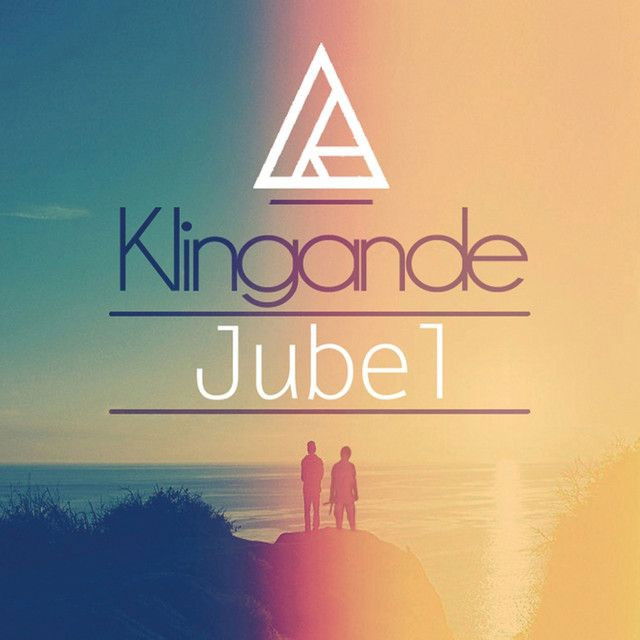
Jubel by Klingande
Why This Dance Hit Feels Bigger Than Its Words
The meaning of Jubel Klingande is not hidden in a long story or a dense set of lyrics. It comes from contrast. The words sound needy, tired, and stuck, while the music sounds bright, open, and free. That tension is the key to why the song lands so strongly.
"Jubel" - Klingande
You think I don't laugh
Oh, do things I can like so
Loading lyrics...
Unable to load lyrics
We're unable to display the lyrics at this time. Please try again later.
Released in 2013 by French duo Klingande, “Jubel” became a major European crossover hit and later reached No. 3 in the UK and No. 24 on Billboard’s US Hot Dance/Electronic Songs chart. It also features uncredited vocals by Lucie Decarne and saxophone from Snake Davis. Factually, the duo consists of Cédric Steinmyller and Edgar Catry, and the song’s title comes from a Swedish word linked to jubilation or rejoicing.
In simple terms, the track sounds like escape music. Its lyrics suggest someone overwhelmed by time, routine, or emotional pressure, while the production turns that pressure into release.

Watch the official Jubel
music video
A Small Lyric Set With a Clear Emotional Core
Because the lyric sheet is so short, every phrase carries extra weight. The repeated plea save me
is the center of the song. It suggests a speaker who feels trapped and is asking for relief, comfort, or rescue.
The verses add to that mood. When the voice asks Why are we losing time?
, the song points to frustration with drift and delay. This is not a detailed breakup ballad or a narrative scene. Instead, it captures a feeling many listeners know: life is moving, but something inside still feels stalled.
Another line, I don't want to get up
, makes that feeling more physical. It hints at exhaustion, emotional heaviness, or simple burnout. Then Bring me what I need
suggests dependence on another person, or on some missing force, to get through the moment.
Save me
Why are we losing time?
That short pairing says almost everything. One line begs for help; the other worries that the moment is slipping away.
What the Title Adds to the Meaning
One of the most interesting facts about the meaning of Jubel Klingande is that the title never appears in the lyrics. That matters. “Jubel” points toward celebration, cheering, and uplift, but the words being sung are much more anxious.
Interpretation: this gap between title and lyric may be intentional in effect, even if the duo did not spell out one fixed storyline. The song can be heard as a move from distress to release. In other words, the voice begins in a place of need, while the music and title point toward the emotional destination: joy, movement, and relief.
That helps explain why the record feels both melancholy and euphoric at once. It is not purely sad, and it is not mindless party music either. It lives in the space between asking for rescue and finding it on the dance floor.
How the Sound Tells the Story
The Saxophone Is the Real Chorus
The production does a huge part of the storytelling. “Jubel” is known for its sax-led hook, which gives the track a human, breathy warmth that many deep house records do not have. Instead of sounding cold or mechanical, it sounds sunlit and alive.
That sax line works almost like a wordless answer to the lyric. The singer says save me
; the instrumental responds with a feeling of uplift. This is why many listeners remember the melody before the words. The sound carries the release the lyric is still searching for.
Bright House Music, Heavy Feeling
Klingande came out of the deep house wave, but “Jubel” also leans toward tropical house in its breezy tone. The beat stays steady and danceable, yet the vocal phrasing is soft and slightly distant. That mix keeps the song emotionally open.
Interpretation: the production suggests that healing here is not dramatic. It is gradual. The groove does not explode into chaos; it keeps moving. That can make the song feel reassuring, as if motion itself is the cure.
Artist Context and Why the Song Connected
Klingande were a French duo inspired by Swedish house music, and even their name reflects that influence. “Jubel” arrived early in their rise and helped define their identity: melodic dance music with organic touches instead of hard-edged club aggression.
That approach likely helped the track travel so widely. It topped charts in several European countries and earned strong certifications across markets from Germany to the UK to Australia. Its music video also leaned into atmosphere over plot, matching the song’s emotional design.
This broad success makes sense. The lyrics are minimal and easy to project onto. A listener can hear stress, heartbreak, loneliness, or just the need to break out of a dull routine. The song does not lock them into one story.
Two Strong Readings of the Song
Reading One: A Cry for Emotional Rescue
The most direct reading is that the speaker feels overwhelmed and reaches out to someone close. The lines about not wanting to get up and needing help suggest a private low point. In this version, the song is about dependence, vulnerability, and wanting to be pulled back into life.
Reading Two: Escape Through Music Itself
A second reading is more symbolic. The “savior” may not be a person at all. It could be the release of dancing, sunlight, travel, or music. In that reading, the title “Jubel” names the emotional state the track creates. The song begins with pressure and ends in motion.
Both readings fit, and that flexibility is part of its power.
The Lasting Meaning of Jubel Klingande
The lasting meaning of Jubel Klingande lies in how little it says and how much it makes people feel. The lyrics sketch a person who is drained, pressed by time, and asking for rescue. The music answers with warmth, rhythm, and uplift.
That is why “Jubel” still works years later. It captures a modern emotional pattern: feeling low, yet still wanting release; feeling stuck, yet still moving toward joy.
Disclaimer: This interpretation mixes verified song facts with critical reading of the lyrics, sound, and reception. Because the song is brief and open-ended, different listeners may hear its meaning differently.








