Why Kon Kan Turned "These Boots" Inside Out
The meaning of Puss N' Boots / These Boots (Are Made for Walking) Kon Kan starts with a smart twist: they take a famous breakup anthem and imagine the argument that came before the walkout. Instead of repeating Nancy Sinatra's original attitude, Kon Kan builds a reply from the partner who feels blamed, cornered, and not fully heard.
"Puss N' Boots / These Boots (Are Made for Walking)" - Kon Kan
[Ah ah aaah ah ah]
Yeah I admit that I'm at fault
Loading lyrics...
Unable to load lyrics
We're unable to display the lyrics at this time. Please try again later.
That idea is not just fan theory. Barry Harris, the creative force behind Kon Kan, said the song came from asking what the "other side of the story" would be before the woman in the original song sings her warning. He described it as a kind of prequel and a mash-up of songs and ideas. That background matters because it explains why the track feels playful, defensive, and slightly chaotic all at once.
A Breakup Argument Told Before the Door Slams
On the surface, the verses sound like two people stuck in a cycle of blame. The speaker admits some guilt, but they also push back hard. Early lines say, in effect, yes, they messed up, but the other person did too. That is why phrases like at fault
and point of view
matter: the song is about conflict, but even more, it is about competing versions of the truth.
They keep returning to small relationship details—missed calls, excuses, lies, and suspicion. Those details make the song feel less like a grand heartbreak ballad and more like a real late-night argument. The speaker wants understanding, not surrender.
Interpretation: the emotional center is pride. They are not only defending their actions; they are defending their dignity.
Watch the official Puss N' Boots / These Boots (Are Made for Walking)
music video
How the Famous Chorus Changes the Meaning
The genius of the song is that the chorus arrives with a line everyone recognizes: These boots are made for walking
. In the Sinatra original, that hook is direct and victorious. Here, it lands differently because the verses have framed the split as a messy two-sided fight.
So when the hook appears, it works like a threat hanging over the conversation. The speaker knows the breakup could happen, and the chorus becomes the other person's power move. That creates tension: the verses argue for nuance, while the chorus cuts through nuance with a clean exit.
That's just what they'll do
One of these days
walk all over you
Paraphrased, the message is simple: if this imbalance continues, somebody is leaving, and it will not be gentle.
The Narrator Is Defensive, but Not Innocent
One reason the track stays interesting is that the speaker is not fully reliable. They ask why people lie, then offer a weak excuse about not calling. They question whether the other person was really alone. They ask for fairness, but they also sound jealous and evasive.
That tension gives the song its bite. The narrator wants sympathy, yet their own words suggest why the relationship is failing. When they say they need space and want to hold onto their pride, they reveal a person who values self-protection more than repair.
Interpretation: the song may be less about proving who is right and more about showing how couples talk past each other until the relationship becomes a contest.
Why the Sound Feels Like a Collision
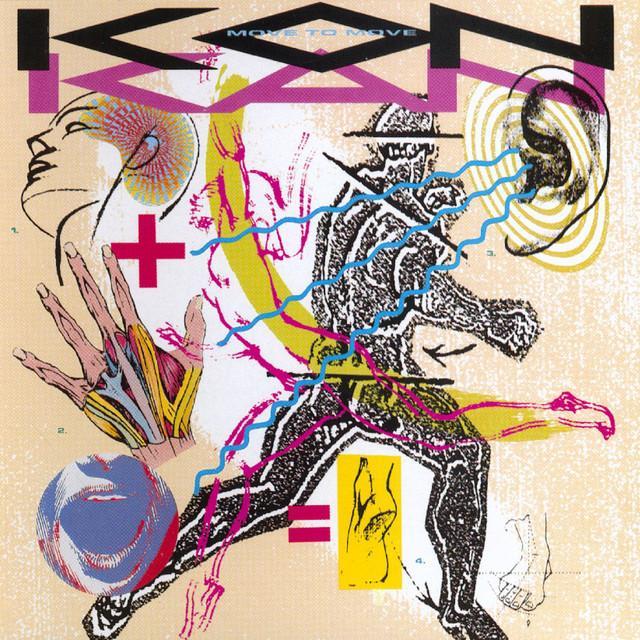
Kon Kan was a Toronto synth-pop project formed by Barry Harris in the late 1980s, and their debut era was built on club energy, hooks, and sample-driven construction. Their album Move to Move came out in 1989, and this track followed the hit I Beg Your Pardon
as another collage-minded single.
That production style is key to meaning. Harris said the song was built around Nancy Sinatra's classic, while also weaving in Led Zeppelin references and the party flavor of "Tequila." That means the track is not trying to sound emotionally pure. It is trying to sound like pop culture fragments crashing into each other.
The result matches the lyrics. The relationship is unstable, and the arrangement is unstable too. Dance beats push it forward, the chorus gives instant familiarity, and the rap section adds comic swagger. Even the hard-rock interpolation makes the argument feel more aggressive.
That sense of overload suits a breakup where every thought arrives at once: blame, jealousy, bravado, hurt, and humor.
The Rap Section Adds Ego and Release
The rap verse changes the temperature. Instead of pleading for understanding, the speaker starts performing confidence. They imagine stepping away, going out, and getting their cool back. It is a revenge fantasy, but a playful one.
This matters because the song moves from argument into post-argument posture. In other words, they stop trying to solve the relationship and start trying to win the breakup. That shift connects with the boot image itself: boots are not delicate. They signal movement, force, and attitude.
Context Makes the Song More Clever Than It First Seems
Factually, the song sits inside a long history of reworks of Lee Hazlewood's 1966 hit for Nancy Sinatra, a song that reached No. 1 in the U.S. and U.K. Kon Kan's version was also notable enough to earn a Juno nomination, and it charted modestly in the U.S. while doing better in New Zealand. Those facts show it was not just a random novelty track.
Still, Harris himself called it something like a novelty concept, which is useful context. The song does not hide its pop-game quality. It wants to entertain. But entertainment does not cancel meaning. In this case, the lightness actually helps. By making the argument catchy and exaggerated, Kon Kan shows how breakups often turn serious pain into theater.
Final Take on the Song's Message
So, what is the meaning of Puss N' Boots / These Boots (Are Made for Walking) Kon Kan? At heart, they present a breakup from the blamed partner's side, then let the famous chorus remind listeners that excuses may come too late.
The song is about blame, pride, and the moment a relationship stops being a conversation and becomes a countdown to departure. Its patchwork production is not a distraction from that idea. It is the form of that idea: messy, flashy, defensive, and already halfway out the door.
Disclaimer: This interpretation blends documented artist comments with close reading of the lyrics and sound. Meaning in pop songs can stay open to different listeners.







