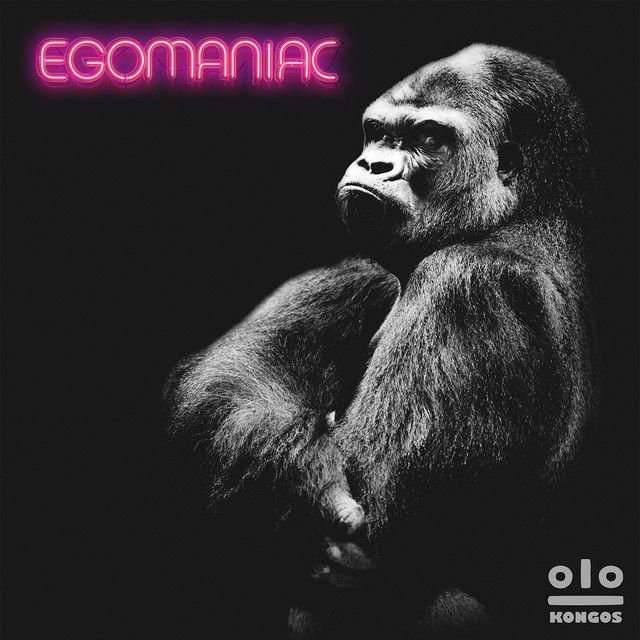
Autocorrect by Kongos
The meaning of Autocorrect Kongos centers on a tempting but risky fantasy: what if technology could erase effort, fix bad choices, and protect people from consequences? The song sounds playful on the surface, but its message is darker. It imagines a future where convenience becomes dependence and where human thought starts to feel optional.
"Autocorrect" - Kongos
Will I need my mind
Or will Google
Loading lyrics...
Unable to load lyrics
We're unable to display the lyrics at this time. Please try again later.
Kongos, the South African-born band known for mixing rock with electronic textures, often build songs around sharp hooks and uneasy ideas. Here, they turn modern digital habits into a satire. The speaker does not just want help from technology; they want to surrender responsibility to it.
A Future Where Thinking Feels Optional
The opening lines set the question clearly. The speaker wonders whether they will even need a mind in the future, or whether machines will handle life’s mental work. When they mention being wired
into the system, the image is not just about gadgets. It suggests a loss of independence.
That is the core tension in the song. The speaker feels exhausted by effort and decision-making. They want relief from thinking, planning, and carrying the weight of mistakes. In plain terms, the song exaggerates a feeling many people know: when life gets tiring, convenience can look like freedom.
Interpretation: The track is not praising this future. It is using exaggeration to show how seductive and dangerous that wish can be.
Watch the official Autocorrect
music video
The Hook Turns a Joke Into a Warning
The chorus gives the song its sharpest idea. The repeated phrase Autocorrect
takes a small digital tool and turns it into a life philosophy. In real life, autocorrect fixes typing errors. In the song, it becomes a fantasy system that fixes behavior, judgment, and even consequences.
That is why the line about hitting undo
matters so much. The speaker does not just want second chances. They want a world where bad decisions can be erased automatically, as if life were a document on a screen.
This is where the satire bites. The more confident the speaker sounds, the less stable they seem. They believe they will not have to pay the price
because technology will catch them. That confidence feels hollow, almost desperate.
What the Verses Reveal About Responsibility
Several lines push this idea further. The speaker wants to be free / Of all responsibility
, which strips the fantasy down to its real meaning. This is not just about innovation. It is about escape.
The song connects digital convenience with emotional avoidance. Instead of learning, failing, and growing, the speaker wants software-level correction. Instead of facing pain, they want protection. Instead of attention and discipline, they want instant access and instant repair.
There is also a strong thread of mental overload. The lyrics ask what is happening to attention span and suggest the brain may be close to shorting out. That image of internal “crackling” makes the song feel less futuristic and more present-day. It points to distraction, burnout, and the fragmented way people process information now.
Tech Fantasy Meets Body Horror
One of the song’s smartest moves is how it blends funny sci-fi ideas with something more unsettling. The wish to download skills or place a screen right on my retina
sounds comic at first. But those images also feel invasive.
The body becomes another device to upgrade. Vision, memory, and judgment are treated like functions that can be outsourced or patched. That shift matters because it shows how deeply the speaker wants to merge with the machine.
Interpretation: This can be read as a critique of transhumanist fantasy, but it works just as well as a comment on everyday phone culture. People may not literally install screens in their eyes, yet many already live as if they are half-plugged into a feed.
Why the Sound Supports the Message
Kongos are a band of brothers, and their official site outlines their background and catalog on the band website. While detailed production credits for this track are not widely documented in major databases, the song itself gives plenty to work with.
Musically, “Autocorrect” leans into a mechanical pulse that fits its subject. The rhythm feels driving and repetitive, which mirrors the cycle of craving, clicking, and depending. The vocal delivery pushes the satire forward too. The speaker sounds excited, but there is strain beneath the bravado.
The track’s polished, synthetic edge supports the theme of artificial ease. Instead of warm intimacy, the sound suggests systems, loops, and digital compression. That makes the song’s world feel efficient, but emotionally thinned out.
A Bigger Comment on Modern Life
The meaning of Autocorrect Kongos becomes richer when heard as more than a tech joke. The song is really about what happens when convenience becomes a moral framework. If every problem can be corrected externally, then patience, accountability, and reflection start to seem unnecessary.
That is a modern fear, and not an abstract one. Public discussion about attention, devices, and digital behavior has become common in mainstream reporting, including at Pew Research Center, which has tracked how technology shapes daily life. The song turns that broad concern into a catchy, exaggerated character voice.
Final Take
At its heart, “Autocorrect” presents a person who wants technology to erase the hard parts of being human. Its humor makes the message go down easily, but the warning is serious: a life with no consequences, no effort, and no real thinking may sound liberating, yet it could also empty out what makes people human in the first place.
This interpretation is based on the lyrics, the song’s tone, and available artist context. Like most songs, it can support more than one reading.








