Why "Penance To Sorrow" by Korn Cuts So Deep
The meaning of Penance To Sorrow Korn comes through as a portrait of depression that feels inescapable. The song does not describe sadness as one passing mood. Instead, it presents emotional pain as a force that keeps returning, breaking the self apart, and making healing feel out of reach.
"Penance To Sorrow" - Korn
'Cause inside is gone
Each step the ground beneath me starts to break
Loading lyrics...
Unable to load lyrics
We're unable to display the lyrics at this time. Please try again later.
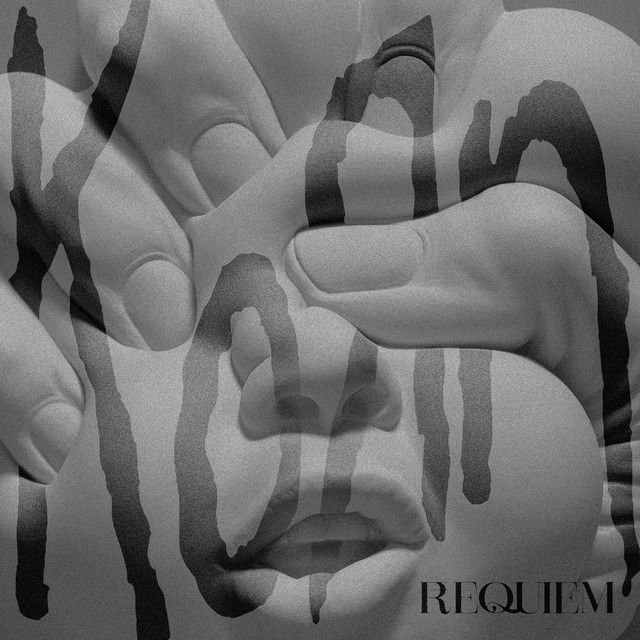
Korn released the song on Requiem, the band’s 2022 studio album, a record they made during the pandemic era after live work had slowed down. That context matters because Requiem often leans into isolation, pressure, and survival rather than escape. According to Korn’s official album information, Requiem arrived in February 2022, with the band lineup and writing credits reflecting the long-running core team behind the record.
The Heart of the Song Is a Battle With Inner Collapse
At its core, this track sounds like someone trying to function while their inner world is falling apart. The opening contrast between outside and inside sets that up immediately. They search for help in the world around them because, internally, there is almost nothing left to rely on.
When the song says inside is gone
, it suggests emotional depletion rather than simple sadness. The next image, where the ground begins to break, turns that feeling into something physical. Stability is not just weak; it is disappearing beneath them.
Interpretation: This is why the song feels heavier than a standard confession. It frames depression as a crisis of structure. Their identity, safety, and hope all seem unstable at once.

Watch the official Penance To Sorrow
music video
A Cry for Help That Doubts Its Own Purpose
One of the most striking parts of the lyric is the direct address to another person, or maybe to the self. The repeated call of Hey you
sounds like an attempt to get someone’s attention before they disappear further into pain.
But the next idea undercuts that effort. The line about hurting for a lifeline is followed by a blunt question: why even reach? That emotional turn matters. It shows a person who wants rescue but also doubts rescue will work.
Been hurting for a lifeline
What for?
That tiny exchange captures the trap of depression. They know they need help, but hopelessness tells them help may be pointless. In that way, the song is not only about pain. It is also about the collapse of belief.
Why the Chorus Feels So Brutal
The chorus gives the song its central idea: pain has become routine, almost ritual. The phrase hurt is sacred
is especially important. It does not mean suffering is good. It suggests suffering has become so constant that it feels untouchable, almost built into daily life.
Then the title phrase lands: penance to sorrow
. Penance usually means punishment, repayment, or an act of suffering tied to guilt. By connecting that word to sorrow, the song implies that the speaker lives as if they owe pain something.
Interpretation: This could mean at least two things:
- They feel trapped in depression and cannot stop returning to it.
- They may also feel guilt, as if suffering is deserved.
That second reading is especially painful because it turns sorrow into a sentence, not just a symptom.
The Images of Damage and Repair
Several lines describe the mind as broken material. The song says the seam gets ripped and stitched again, but the damage never fully leaves. Later, it admits that pieces don't fit
, which makes recovery sound incomplete and frustrating.
This imagery is simple, but it is effective. Instead of using abstract psychology, the lyric uses torn fabric and broken parts. That makes the emotional experience easier to feel. They are trying to repair themselves, yet every fix seems temporary.
This also connects to the repeated lines I can't break it
and I can't fix it
. Those two ideas create the song’s most painful loop. They cannot escape the condition, but they also cannot solve it.
How Korn’s Sound Carries the Meaning
Korn’s style has always mixed heavy riffs with raw vulnerability, and this song fits that tradition. The band’s official credits list Jonathan Davis, Brian Welch, James “Munky” Shaffer, Ray Luzier, and Reginald “Fieldy” Arvizu among the writers, which helps explain why the track feels both tightly constructed and emotionally loose in the best way.
Musically, the song leans on pressure. The guitars grind instead of soar. The rhythm section keeps things moving, but not in a triumphant way. It feels like trudging forward under weight. Davis’s vocal delivery is key too: he sounds strained, urgent, and tired all at once, which matches the lyric’s exhausted mindset.
Interpretation: The production supports the theme by avoiding relief. Even when the melody opens up, the arrangement stays tense. That makes the listener feel the same trap the narrator feels.
Where the Song Fits in Korn’s Bigger Story
Korn have long written about trauma, alienation, addiction, shame, and mental distress. That history shapes how listeners hear this song. It does not come out of nowhere; it belongs to a catalog that often gives ugly feelings a direct, physical language.
Still, “Penance To Sorrow” stands out because it is less about rage than endurance. There is anger in the sound, but the message is more about surviving recurring darkness than fighting a visible enemy. That makes the song feel intimate, even when the band sounds huge.
Final Reading of the Meaning
So, what is the meaning of Penance To Sorrow Korn? Most clearly, it is about living inside depression when every attempt to hold together seems temporary. The song portrays pain as recurring, identity as fragmented, and hope as something that flickers but never fully holds.
Its power comes from that honesty. Rather than offering a clean ending, it stays with the cycle: damage, repair, relapse, and exhaustion. That refusal to simplify the experience is why the song hits so hard.
Disclaimer: This interpretation is based on the lyrics, Korn’s broader body of work, and publicly available release context. As with any song, listeners may hear different meanings in it.







